Canada's Climate Goal Needs C$2.2 Billion… But From Where? [Funding Gap]

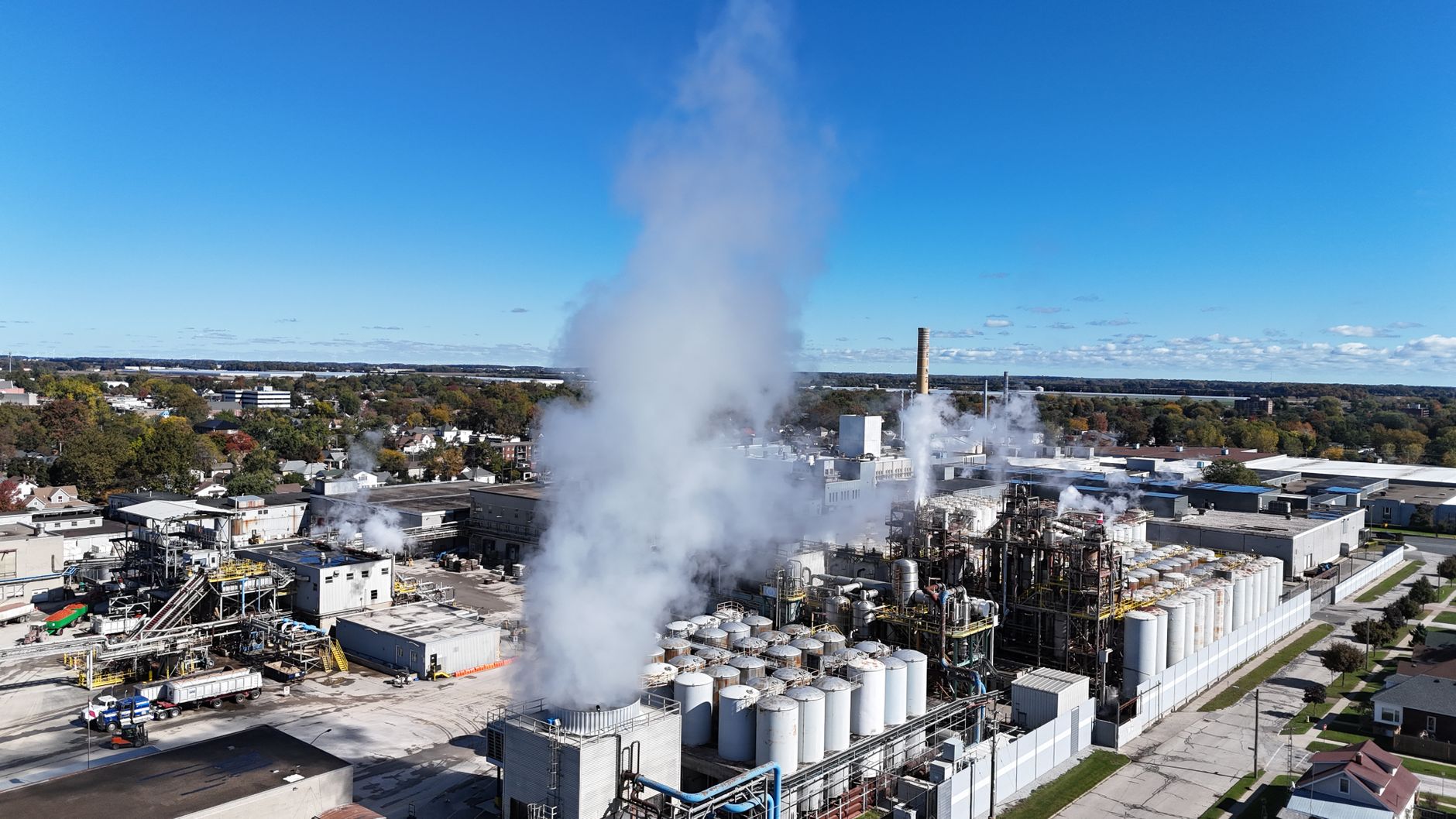
Canada faces a critical challenge in its climate efforts, requiring an estimated C$2.2 billion in new investment to significantly expand its carbon dioxide removal (CDR) capacity. A recent report indicates the nation needs to reach 2 million tonnes of annual removal capacity by 2030, a substantial leap from its current 98,250 tonnes. This ambitious goal is hindered by limited funding, weak corporate demand for carbon credits, and gaps in supportive policies. Urgent action is needed to secure these investments and accelerate progress towards a cleaner, more sustainable future.
A new report from Carbon Removal Canada reveals that Canada needs approximately C$2.2 billion in additional investment to boost its carbon removal industry by 2030. The aim is to reach 2 million tonnes of annual carbon removal capacity, a significant increase from the current 98,250 tonnes produced by its 16 operating projects. This substantial growth is vital for Canada to meet its climate commitments and reduce the amount of harmful CO₂ in our atmosphere. Without this investment, the country risks falling short of its crucial environmental targets.
One major hurdle is a funding gap, particularly for projects trying to move from early development to full-scale commercial operation. While many companies find initial venture capital, securing larger sums to test and implement technology on a grander scale proves difficult. The C$2.2 billion needed, though a fraction of Canadian financial institutions' total commitments, remains a challenge to direct towards these vital climate solutions. The report suggests a mix of government purchases, grants, and long-term purchase agreements could help bridge this gap, ensuring promising technologies get the support they need to make a real difference.
Another significant barrier is the limited demand from corporations for carbon removal credits. A 2025 report by the Pembina Institute found that only a small percentage of Canadian organizations are actively planning to purchase these credits. High prices are often cited as a deterrent. However, increased corporate purchases provide crucial revenue for developers and attract further investment. The Canadian government has started a C$10 million program to buy credits, but a larger, multi-year initiative could provide the consistent demand needed to stabilize and grow the market for these environmental solutions.
Canada possesses strong natural advantages for carbon removal, including low-carbon electricity, ideal geological storage sites, and abundant biomass. Yet, policy inconsistencies across provinces and territories create uncertainty for companies and investors. Clear, unified policies are essential to foster a predictable environment for growth. Developing a national framework that includes carbon removal in existing compliance programs and opens doors to international carbon markets would send a strong signal, encouraging more projects and investments that are critical for environmental protection.
The global race to scale carbon removal is intensifying, with regions like the European Union, Germany, and the UK actively developing policies to stimulate long-term demand. The latest State of Carbon Dioxide Removal report highlights that global deployment is growing but needs to accelerate significantly to meet climate targets. For Canada, a thriving carbon removal industry not only helps achieve its own climate goals but also supports key sectors like mining and forestry, positioning the country as a leader in sustainable innovation and providing lower-carbon products to a growing global market.
The next few years are crucial for Canada's carbon removal ambitions. Implementing recommendations like expanding access to international markets, funding demonstration projects, and broadening tax incentives will be key. The estimated C$2.2 billion represents additional investment necessary, not guaranteed funds. Canada's ability to attract this funding, cultivate buyer confidence, and provide clear operational guidelines will ultimately determine if it can meet its 2030 target and make a substantial contribution to global climate action.