Carbon Capture’s Missing Link Is Now Visible

For years, tracking how much carbon dioxide is removed from the atmosphere through enhanced weathering has been a slow and challenging process. This crucial climate solution, which involves spreading rock dust to absorb CO₂, needed a better way to prove its effectiveness. A new innovation called Everest is changing this, introducing in-field sensors that provide continuous, real-time measurements. This breakthrough allows us to precisely monitor carbon capture, accelerating our understanding and deployment of a vital tool in the fight against global warming.
Enhanced weathering is a powerful natural process that can draw down significant amounts of carbon from the air. However, actually measuring its impact has been a hurdle. Traditionally, researchers had to manually collect soil samples, which was expensive, time-consuming, and left many gaps in understanding how much carbon was truly being stored and how quickly.
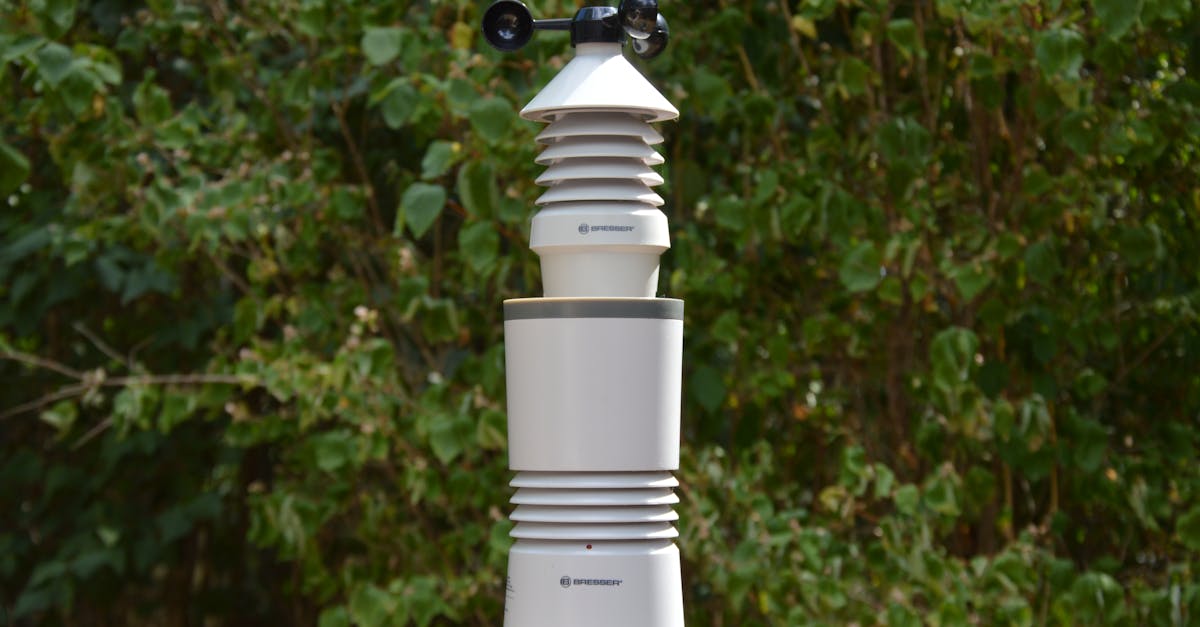
This is where Everest comes in. The company has developed electronic sensors designed to be buried directly in the soil. These devices continuously measure key chemical signals, like alkalinity, 24/7. By comparing data from treated areas (with rock dust) against control plots, scientists can get a clear, real-time picture of how much CO₂ has been captured.
Early results from Carbon Drawdown Initiative's trials are promising. When 15 Everest sensors were deployed, they quickly showed that treated plots removed significantly more carbon than untreated ones. The data even revealed how rainfall boosted carbon removal and how evaporation later in the summer slowed it down. Such detailed, moment-by-moment insights were simply not possible before.
This technology is a game-changer for climate action. It makes tracking carbon removal cheaper, faster, and more accurate, which is essential for scaling up sustainable solutions like enhanced weathering. Understanding precisely how these methods work allows us to refine them, making them more efficient and impactful in our collective effort to protect the environment.