Carbon Markets are Shifting: Are You Ready for What's Next?

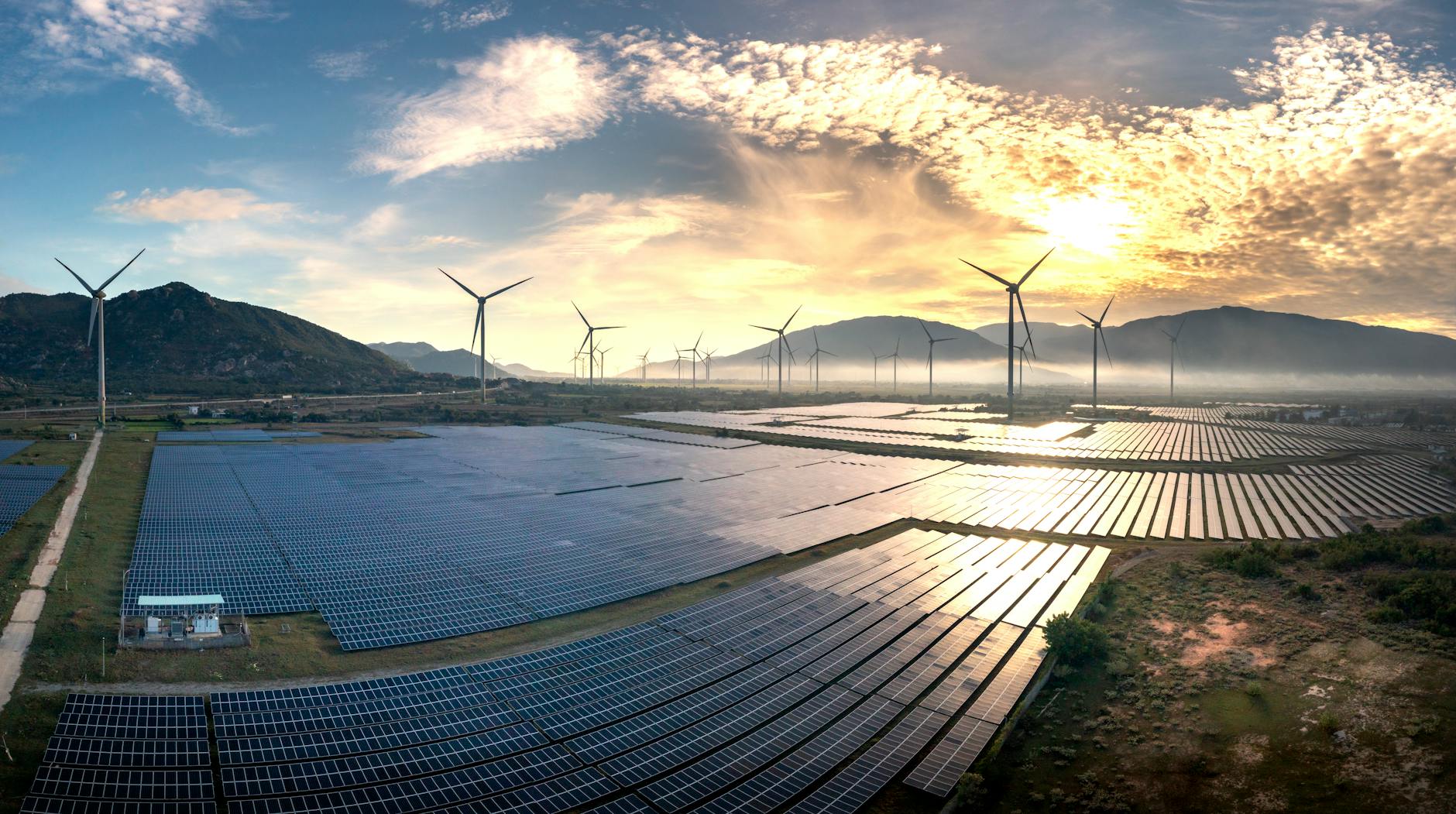
The world's carbon markets are undergoing significant transformations, with the UN advancing new methodologies for Article 6.4 credits, focusing on renewable energy, while the older Clean Development Mechanism (CDM) phases out. In Europe, the EU Emissions Trading System (ETS) is strengthening, emphasizing high-quality carbon credits and setting ambitious post-2030 targets. Meanwhile, the Nasdaq exchange is boosting global carbon market infrastructure by launching EU carbon futures. These developments underscore a global push towards more robust climate action and cleaner technologies, though a growing gap in "green skills" highlights the urgent need for workforce adaptation to meet these evolving demands.
Global efforts to combat climate change are accelerating with major updates to carbon markets and sustainability initiatives. The United Nations is diligently working to establish official rules for Article 6.4 carbon credits, particularly for renewable electricity projects and N₂O reduction. This move is crucial for expanding clean energy and will eventually replace the older Clean Development Mechanism (CDM), which is now in its final stages. The transition ensures that eligible emission reduction projects continue to contribute to global climate goals under a modernized framework.
Across Europe, the EU Emissions Trading System (ETS) is being strengthened, a testament to its success in cutting emissions by 39% since 1990 while the economy grew significantly. Upcoming changes will ensure that only the most impactful and permanent carbon removal projects qualify, reinforcing the integrity of the market. This prepares the system for even more ambitious climate targets beyond 2030, underscoring the vital role of robust carbon pricing in driving green investments. Further integrating market stability, the Nasdaq has also launched its own platform for trading EU carbon futures, boosting liquidity and global participation in the world's largest regulated carbon market.
Beyond market mechanisms, the shift towards a sustainable future is reshaping the global workforce. Both the European Commission and the LinkedIn Green Skills Report 2025 highlight a pressing challenge: while demand for "green jobs" is surging, the availability of people with the necessary "green skills" is not keeping pace. This gap, where green hiring grows nearly twice as fast as green skills development, is critical for national competitiveness and achieving climate targets. It emphasizes the urgent need for widespread re-skilling and continuous education to empower individuals and industries to thrive in a greener economy.
Brazil is also stepping up its global scientific voice with the appointment of renowned climate scientist Carlos A. Nobre to a Vatican advisory group. Nobre's expertise on the Amazon, systemic risks, and integral ecology will enrich crucial discussions on socio-environmental justice and the planet's future, aligning scientific evidence with strategic global decision-making, particularly ahead of major climate conferences like COP31 in Antalya. These collective actions, from updated GRI pollution standards to hydrogen energy advancements in Europe, show a clear, urgent global commitment to environmental protection and sustainable solutions.