Caribbean Seaweed Crisis: Something Unusual Is Happening

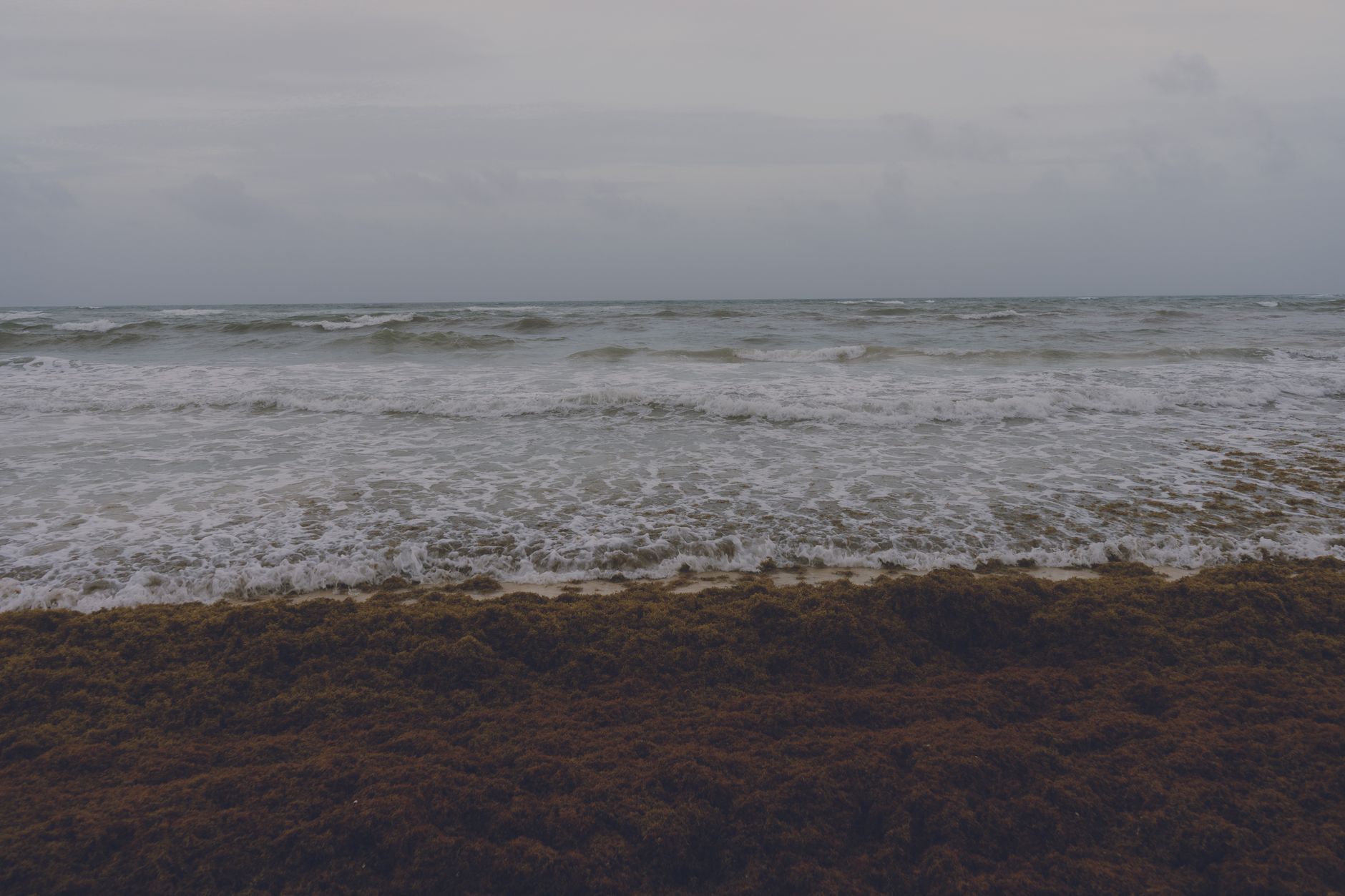
The Caribbean and Gulf of Mexico are grappling with unprecedented amounts of sargassum seaweed, forming vast blankets that smother once-pristine coastlines. This year marks a worrying shift as the algae is now reproducing locally, not just arriving from afar, signaling a deeper environmental imbalance. Scientists report record levels, with some 27 million metric tons recorded in July alone, threatening fragile marine ecosystems, local economies reliant on tourism, and even human health. This escalating natural phenomenon underscores the urgent need to address climate change and its far-reaching consequences.
Massive mats of sargassum, a type of brown seaweed, are overwhelming coastal areas from the Caribbean to Mexico, causing significant environmental and economic damage. Experts from the University of South Florida’s Optical Oceanography Lab note that while sargassum has always been present, its current proliferation is alarming, with July seeing an estimated 27 million metric tons. Crucially, the seaweed is now reproducing in these regions rather than simply being carried by currents, indicating a new and concerning phase in its growth.
This escalating problem is linked to factors like agricultural runoff, warming ocean waters, and changes in global weather patterns, all intensified by climate change. While sargassum patches provide a habitat for marine life in the open ocean, near shore it becomes a suffocating menace. It depletes vital oxygen for marine creatures, blocks sunlight from critical coral reefs and seagrass beds, and traps newly hatched sea turtles.
The environmental crisis also has profound human impacts. The decomposing seaweed releases a foul, rotten-egg smell from gases like hydrogen sulfide, which can cause nausea and respiratory irritation, as warned by the U.S. Environmental Protection Agency. This toxicity, combined with the unsightly blackening of once-turquoise waters, is devastating the vital tourism industry. Businesses face significant losses and layoffs, with areas like Mexico’s Quintana Roo experiencing a 30% drop in sales.
Countries are scrambling for solutions. Mexico has pledged $115 million to tackle the issue, though current collection efforts are dwarfed by the daily influx. On the French Caribbean island of Martinique, crews are collecting thousands of tons, exploring methods like composting and bioenergy production. This ongoing challenge highlights the critical importance of global environmental action and sustainable practices to protect our natural world and the communities that depend on it.