Celebrity Eagle's Remains: A Battle for Her Legacy?

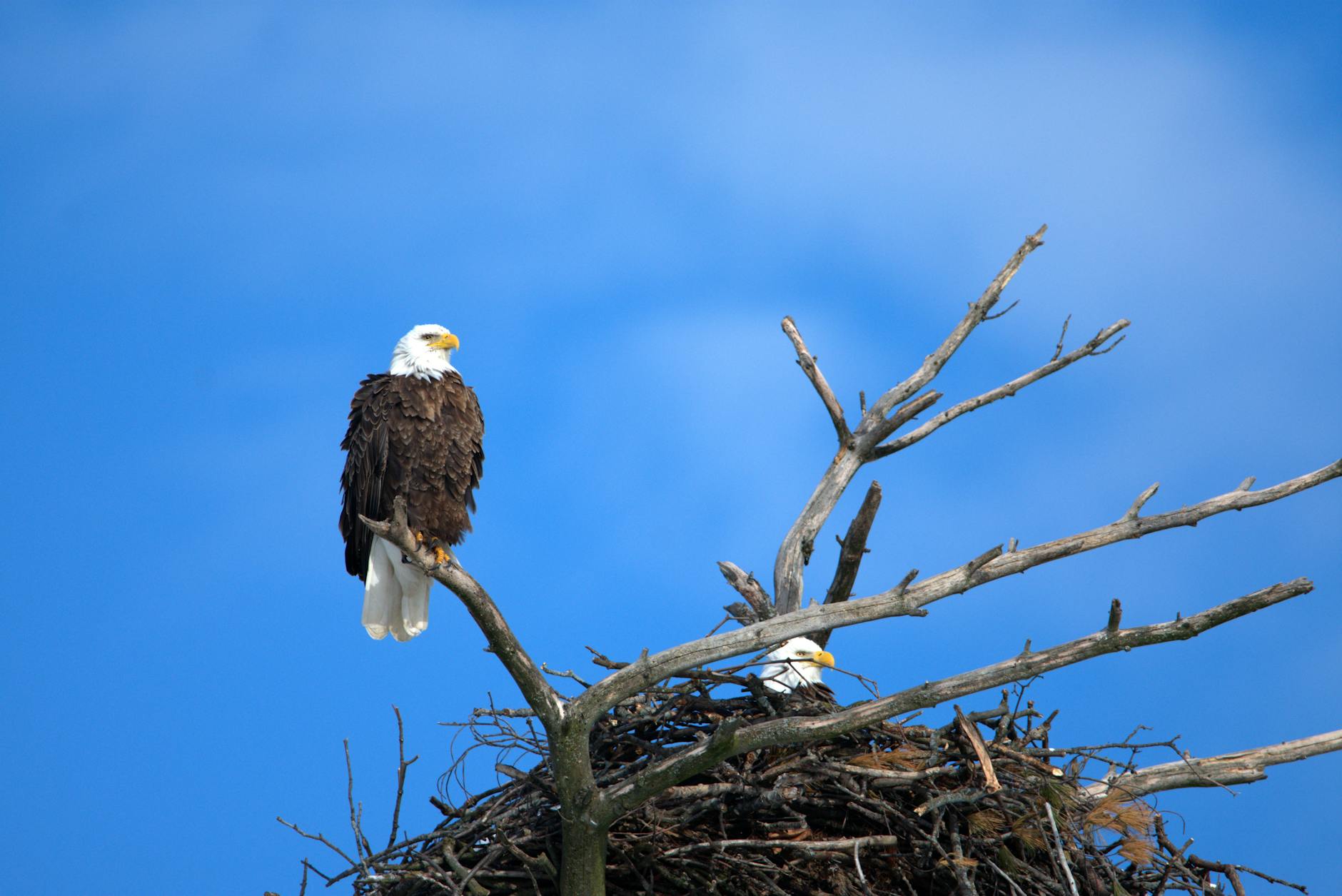
When Jackie, the world-famous bald eagle from Big Bear, recently passed away, her millions of devoted fans faced an unexpected dilemma regarding her remains. Federal policy typically dictates that deceased bald and golden eagles go to the National Eagle Repository, a facility established to provide feathers and parts to federally recognized Native American tribes for religious purposes. However, some fans are petitioning for Jackie to be taxidermied and returned to Big Bear for a public memorial, sparking a passionate debate about honoring wildlife, public sentiment, and Indigenous legal rights.
Jackie, the beloved bald eagle from Big Bear, whose life was shared with millions online, has died, sparking an emotional debate over her final resting place. Federal policy dictates that deceased bald and golden eagles go to the National Eagle Repository. This facility provides feathers and parts to federally recognized Native American tribes for their sacred religious ceremonies—a vital practice once criminalized by the Bald Eagle Protection Act of 1940, as detailed in Jack E. Davis’s book “The Bald Eagle”.
Many devoted fans, who followed Jackie's life, are now campaigning for an exception. They hope Jackie can be taxidermied and returned to Big Bear for a public memorial. An online petition reflects this desire, seeking a special arrangement to honor her in her home valley.
However, this request has met strong opposition. Critics argue, as highlighted in a widely shared Facebook post, that making an exception for a famous bird could undermine crucial Indigenous legal rights, hard-won after historical suppression. They emphasize that the repository is a symbol of understanding and respect for tribal spiritual beliefs.
Wildlife experts also caution against setting a precedent. They worry that special treatment for a celebrity eagle could lead to a flood of similar demands for other famous birds, creating complex management issues. This situation highlights the complex balance between public affection for wildlife and respecting established cultural rights. While deep connection with wild animals inspires conservation, it's crucial to ensure it doesn't lead to a false sense of ownership, always prioritizing the long-term protection of these majestic birds and their natural habitats.