Charles River's Wild Secret: What's Drawing Back the Herons?

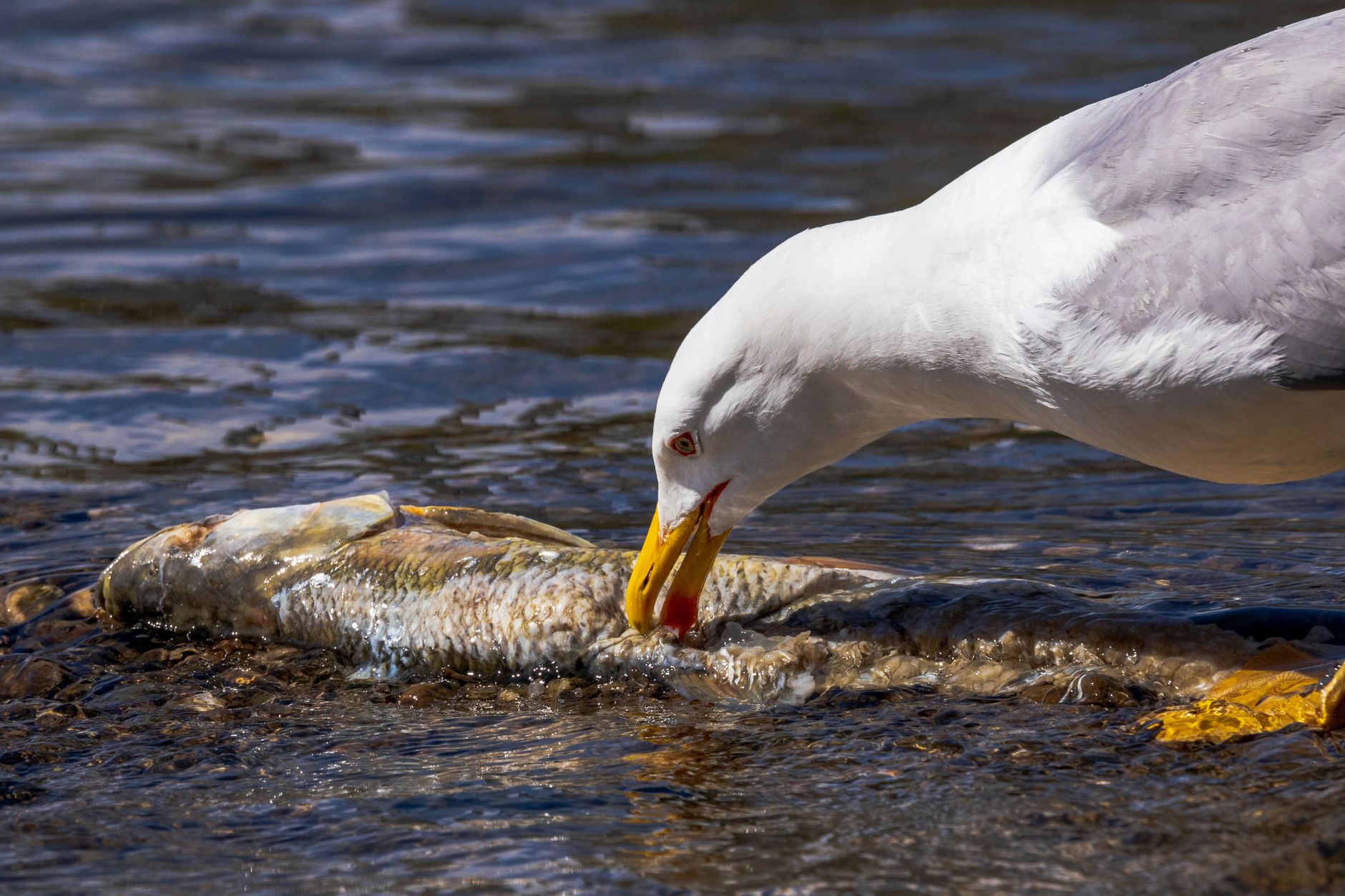
The Charles River, once a symbol of environmental neglect, is now witnessing a remarkable resurgence of wildlife. This spring, masses of river herring have returned, attracting a diverse array of predatory birds like great blue herons, night herons, and cormorants. This vibrant ecological activity, a stark contrast to its polluted past, highlights the profound impact of decades of dedicated cleanup efforts. The river's transformation serves as a powerful reminder of what's possible when communities commit to environmental restoration and protection.
Centuries ago, the Charles River teemed with hundreds of millions of river herring, a vital food source for both wildlife and Indigenous communities, who called it “the fish that feeds all.” However, centuries of industrial waste, dams, and raw sewage turned the river into a public health hazard. By 1920, state reports declared the river's fish populations had virtually disappeared, with recovery prospects deemed “poor” a state wildlife report found.
Fast forward to today, and the Charles River is undergoing an incredible revival. Thanks to federally-enforced cleanup efforts over the past three decades, the river has dramatically improved. The latest counts estimate nearly 300,000 herring returning last year, the highest in recent memory, drawing impressive numbers of birds eager for a feast. Observers have described the scene as a “super busy traffic intersection” of wildlife.
This comeback isn't just a pretty sight; it's a testament to the power of environmental action. When we stop polluting our waterways and actively work to restore ecosystems, nature can bounce back in astounding ways. While the Charles River has improved significantly, moving from a D grade in 1995 to a B or B-minus today Once given a D grade in 1995, there's still work to be done. Removing obsolete dams and further controlling storm sewage are crucial next steps to make the river even healthier, allowing even more fish to return upstream. The remarkable scenes of thriving wildlife on the Charles River underscore the urgent need for continued investment in environmental protection and sustainable solutions. Imagine what an A-class river could look like!