Chevron's Latest Move to Cut Carbon: What Changed?

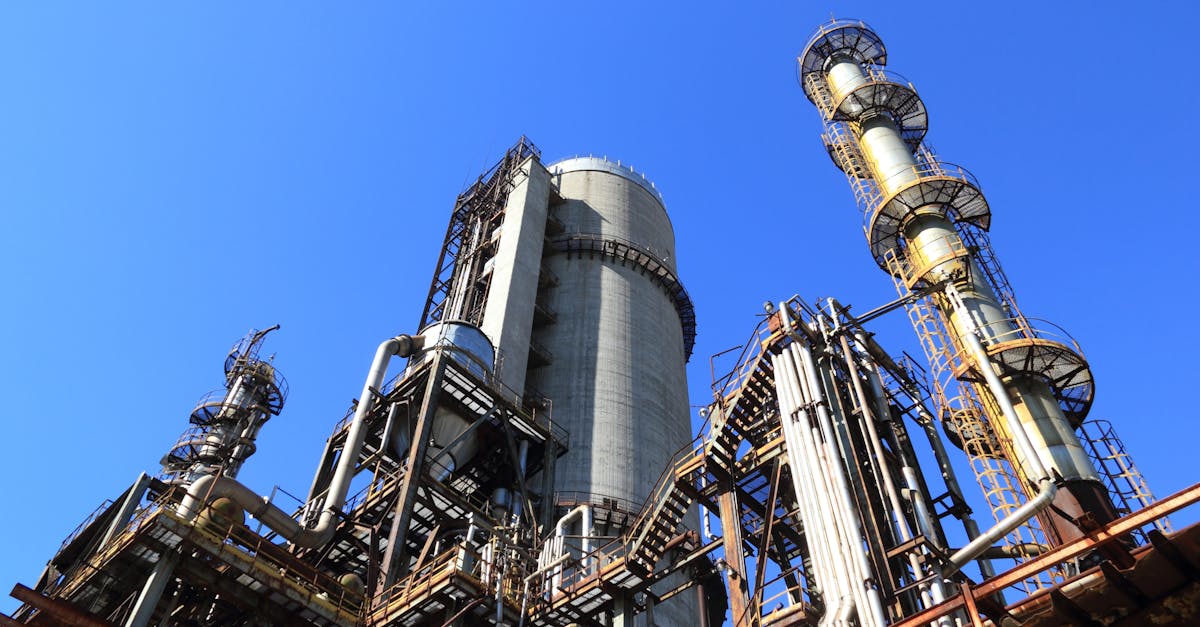
Chevron is updating its energy plan, focusing on practical steps to reduce its carbon footprint. The company's CEO, Mike Wirth, outlined a strategy that balances traditional oil-and-gas operations with significant expansion into biofuels and geothermal power. This move highlights a growing industry trend towards sustainable solutions, recognizing the urgent need to address climate change. By investing in these proven technologies, Chevron aims to improve its environmental profile and meet global demands for cleaner energy without waiting for future breakthroughs.
Chevron is making a clear strategic shift, embracing biofuels and geothermal energy to tackle its carbon footprint while still growing its core business. This practical approach acknowledges the urgent global need for cleaner energy without relying on unproven technologies. The company’s focus on biofuels offers an immediate solution for cutting emissions because these fuels work seamlessly with existing engines and infrastructure, a key benefit for industries struggling to go electric.
Chevron is significantly expanding its biofuel production, for example, by boosting output at its Geismar, Louisiana, site from 90 million to 340 million gallons of renewable diesel annually. These cleaner fuels are crucial for transportation and shipping sectors, which face high demand for readily usable, lower-carbon options. The global biofuels market is growing rapidly, projected to reach over USD 257 billion by 2034, with consumption nearing 230 million metric tons by 2030. Partnerships with companies like Bunge, Corteva, and Optimus Power are also helping Chevron scale up production and integrate biofuels into various fleets, including becoming Singapore’s second-largest marine biofuels supplier.
Alongside biofuels, geothermal energy is a major part of Chevron’s updated strategy. The company sees it as a reliable, clean power source that fits naturally with its decades of experience in subsurface drilling from oil-and-gas operations. Geothermal power doesn't depend on weather conditions, making it ideal for providing stable, 24/7 electricity, which is vital for balancing energy grids as more intermittent renewable sources come online. Chevron is exploring enhanced geothermal systems and partnering to expand utility-scale generation, showcasing how existing industry expertise can be repurposed for a sustainable future.
This strategic update directly addresses Chevron’s significant environmental impact. In 2024, the company reported approximately 671 million tonnes of CO₂-equivalent emissions, with the vast majority (about 92%) coming from the use of its sold products (Scope 3 emissions). While Scope 1 and 2 emissions from its direct operations are much smaller, actions like investing in biofuels and geothermal help reduce overall lifecycle emissions. Chevron has already made progress in areas it directly controls, reducing flaring and methane intensity, and aims for a 66% reduction in upstream emissions intensity by 2028 from 2016 levels.
Biofuels and renewable natural gas directly contribute to carbon credit markets, generating verified reductions that help Chevron and its customers meet environmental goals. The company also continues to invest in carbon capture and storage projects, such as the Gorgon CCS project, which has stored over 10 million tonnes of CO2 since 2019. Chevron’s commitment to spend $10 billion on low-carbon investments by 2028 underscores its belief that biofuels and geothermal offer the clearest path to near-term commercial value and environmental progress, blending its business strengths with the rising pressure to cut global emissions.