Chicago's Deep Tunnel: Historic Flood Defense Meets Unseen Challenge.

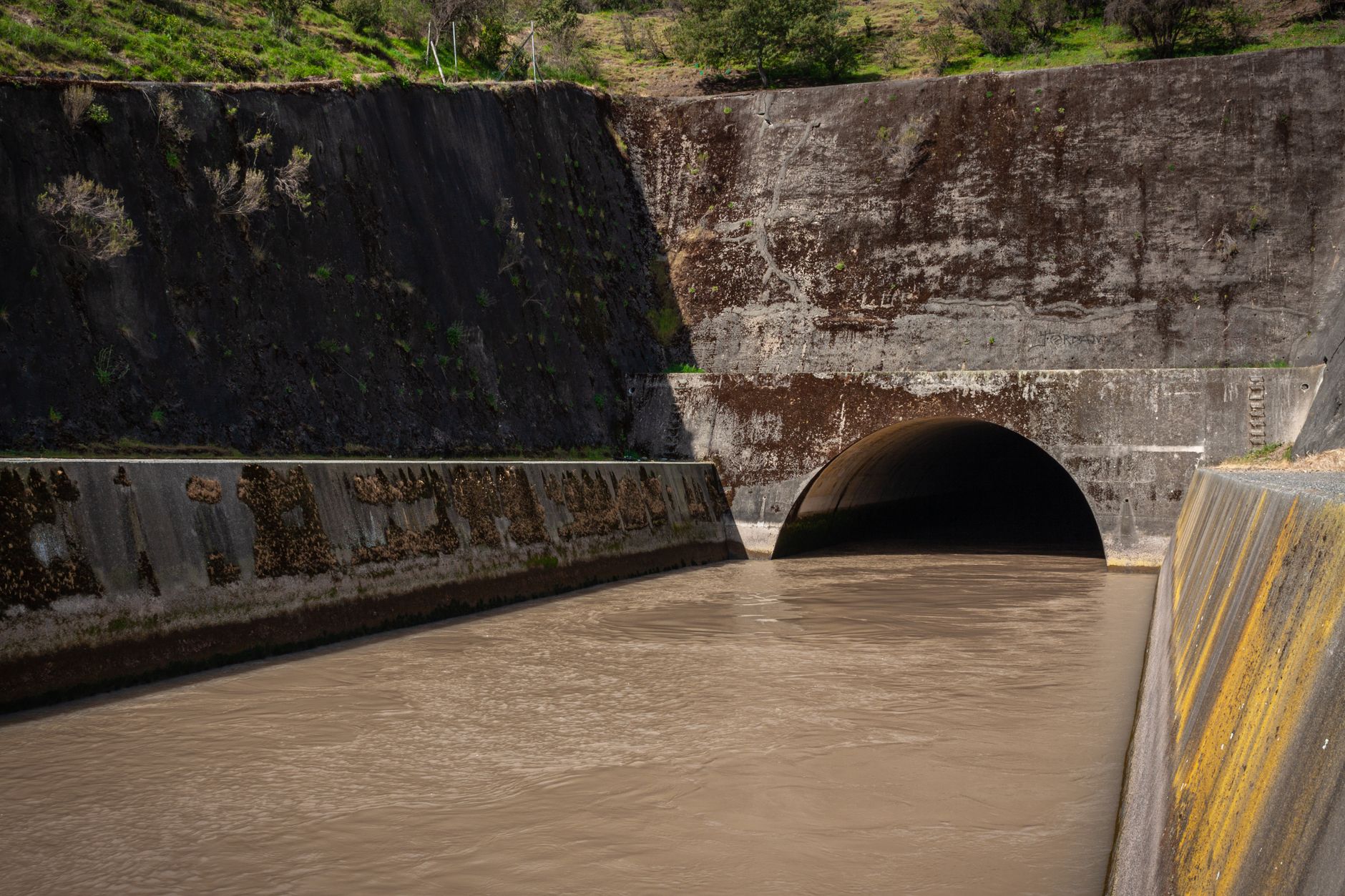
Chicago's massive Deep Tunnel system, designed to protect the area from flooding, is almost completely full for the first time in its history after a weekend of torrential rain. This unprecedented situation sees key reservoirs nearing or at 100% capacity, holding billions of gallons of water. The relentless rainfall, compounded by saturated soils, highlights growing concerns about urban infrastructure resilience in the face of increasingly extreme weather patterns linked to climate change, posing significant flood risks to numerous communities.
Chicago's Deep Tunnel, a monumental project built over five decades, usually channels floodwaters through over 100 miles of tunnels into three large reservoirs outside the city, safeguarding local rivers and Lake Michigan. However, the system is currently overwhelmed, with its two largest reservoirs, Thornton and McCook, reported at 94% and 96-100% capacity, respectively. Together, they are holding approximately 11 billion gallons—a volume never before seen at this level for Thornton since its completion.
This historic overload has immediate consequences, placing 11 south suburban communities at risk of river flooding. Chicago itself experienced sewer overflows into the Chicago River, a critical environmental concern given that the city’s system combines stormwater and wastewater. Hundreds of residents have reported flooded basements and streets, a clear sign of the system's struggle to cope.
The Metropolitan Water Reclamation District attributes the situation to more than eight inches of rain over the last 30 days, including a staggering three inches in just two days. While intense downpours are becoming more common due to climate change, the steady, cumulative rainfall in recent months has created a dangerous saturation point. As Illinois State Climatologist Trent Ford noted, "We have inundated soils and nearly full reservoirs, meaning that the region-wide flood risk is higher, even from rain that is not particularly heavy." This underscores the urgent need for enhanced climate resilience and sustainable infrastructure.
Experts stress that Deep Tunnel alone is no longer sufficient. Environmental advocates like Margaret Frisbie of Friends of the Chicago River emphasize the need for more natural areas and new water storage solutions across the region, recognizing that this kind of heavy rain is a recurring reality. The urgency of transitioning to green infrastructure and protecting our environment is clearer than ever, as collective action is vital to prepare for and mitigate the impacts of a changing climate. Even with an expansion of the McCook reservoir scheduled for 2032, current events demonstrate the immense challenge ahead. For more details, see the original report by the Chicago Sun-Times.