Chicago's Latest Move to Protect Residents from a Growing Digital Threat

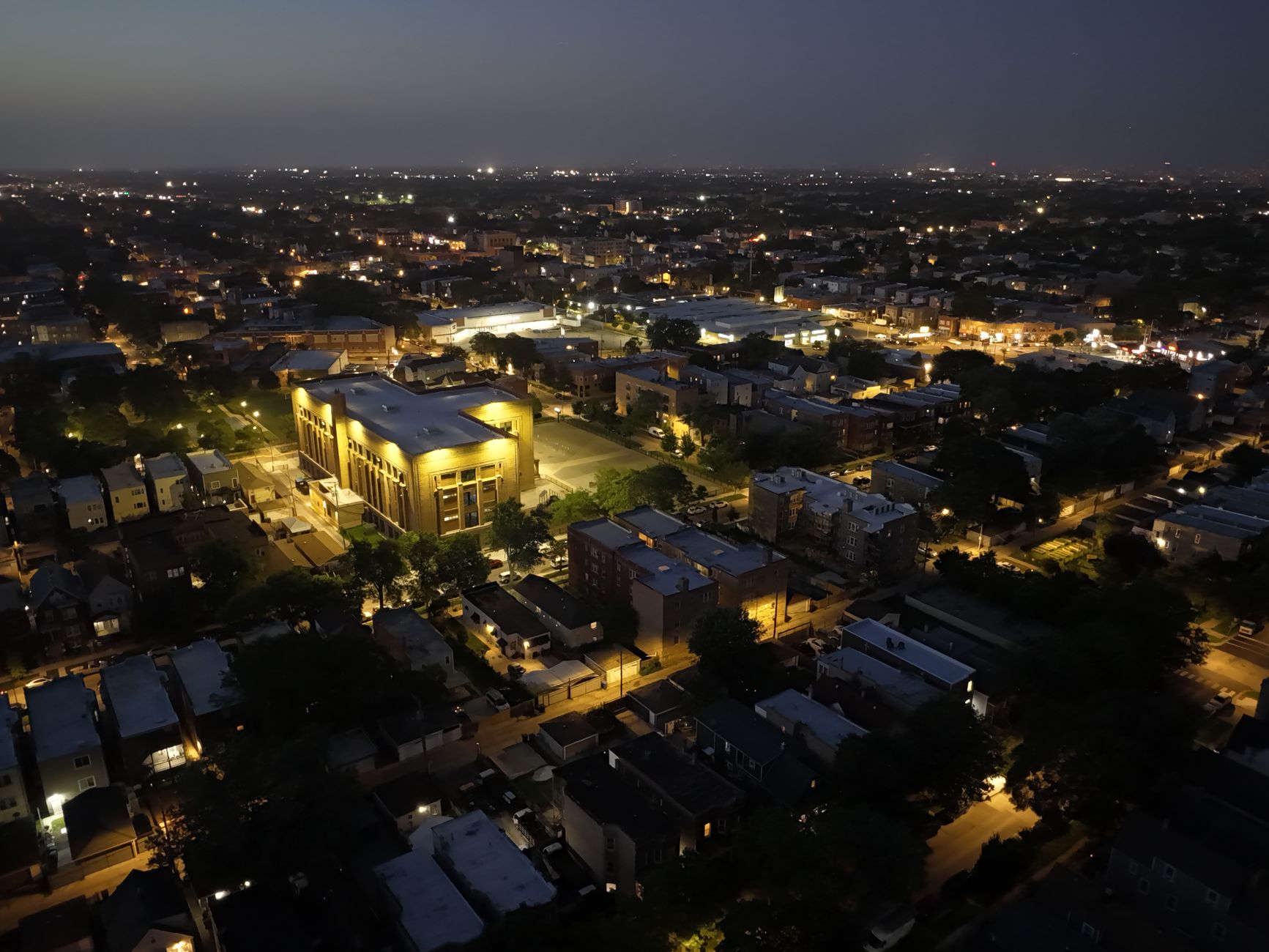
Chicago's Mayor Brandon Johnson has issued an executive order to tackle the growing environmental and public health concerns stemming from data centers. This move aims to control their impact on air quality, noise levels, water, and energy use, and prevent rising utility bills for residents. Environmental justice advocates praise the action as a crucial first step, highlighting the urgency of addressing these issues as Chicago faces increased climate-related challenges and a surge in data center development. The order establishes a task force to develop stricter regulations, with calls for a potential moratorium on new centers.
Mayor Brandon Johnson recently signed an executive order establishing a task force to implement stricter controls on data centers in Chicago. This action directly responds to concerns raised by community members and environmental justice groups about the centers' significant drain on resources and potential for pollution. The goal is to develop comprehensive regulations addressing issues like air pollution from backup generators, noise, heavy water and energy consumption, and the risk of increasing residents' utility bills.
Local advocate Katia Balba, from Alliance of the Southeast, views the executive order as a positive beginning, noting that residents feel heard. However, she and others are pushing for more decisive action, including a full temporary halt on new data center construction until stronger, clearer rules are firmly in place. Mayor Johnson himself is urging the City Council to pass such a moratorium, emphasizing his commitment to protecting clean air, water, and affordable energy for Chicagoans. He stated that Chicago will not allow "unchecked data center development to strain our water supply, drive up energy costs, or compromise the health of our communities" statement.
Chicago is currently home to 39 data centers, with more expected due to its central location and reliable resources. Yet, the energy demands of these facilities, especially for cooling and processing, are substantial. Community leaders like Oscar Sanchez of the Southeast Environmental Task Force warn that data centers excessively strain the electrical grid. This problem is made worse by the climate crisis, which brings more intense storms and power outages to the region. These facilities, often relying on diesel-powered generators during outages, contribute to local air pollution, posing health risks, particularly in communities already burdened by industrial hazards.
The Mayor’s executive order builds on recommendations from a "sustainable data centers" working group formed in 2024 published recommendations. It directs city officials to create specific rules for air pollution permits and noise control, and to weigh environmental impacts more heavily in future development proposals. Angela Tovar, Chicago’s chief sustainability officer, explained that existing policies don't reflect the current resource-intensive nature of modern data centers, making rapid implementation of new protections vital.
This local action in Chicago mirrors a growing national movement. A recent University of Pennsylvania survey revealed that 61 percent of U.S. adults oppose new data center construction in their areas survey findings. New York became the first state to implement a temporary moratorium on massive "hyperscale" data centers New York moratorium, and other cities like Monterey Park, California, have banned them entirely Monterey Park ban. As our digital world expands, ensuring that technological progress doesn't come at the expense of our environment and community well-being becomes an urgent global challenge.