Chicago's River Faces a Disturbing Problem After Every Storm

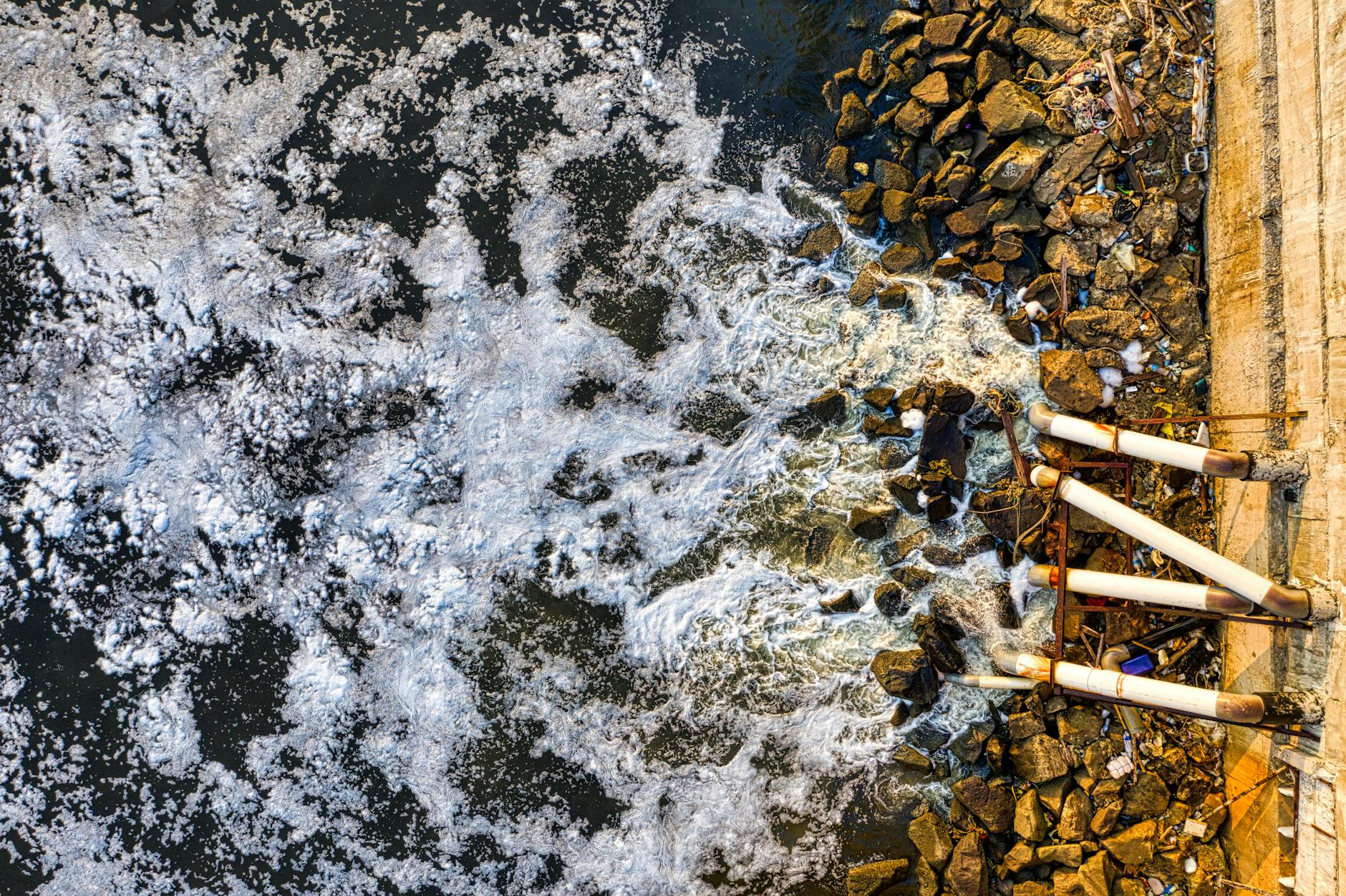
Chicago's iconic river is struggling under the weight of climate change, with billions of gallons of raw sewage now routinely dumped into its waters after heavy storms. This year alone, over 12 billion gallons of untreated wastewater, laden with harmful bacteria and debris, have contaminated sections like Bubbly Creek. The city's decades-old infrastructure, including its celebrated Deep Tunnel system, can no longer cope with the increasing intensity of rainfall, forcing authorities to choose between flooded homes and a polluted river. This environmental crisis not only creates a foul and unhealthy public space but also devastates local wildlife, highlighting the urgent need for enhanced sustainable solutions.
For those living and working along the Chicago River, especially near Bubbly Creek, heavy rain means one thing: the sickening sight and smell of raw sewage. Local worker Joe Gamble describes layers of feces, condoms—dubbed 'Chicago whitefish'—and other waste floating past, with the stench clinging to clothes. This year, pumping stations on both the North and South Branches have discharged over 12 billion gallons of untreated sewage into the river, a stark increase from previous years.
This deluge occurs because Chicago's combined sewer system, which carries both wastewater and stormwater, is quickly overwhelmed by intense downpours. While the Deep Tunnel project, a multi-billion dollar effort, was designed to prevent such pollution and flooding, it's increasingly unable to handle the extreme weather events linked to climate change. Our aging infrastructure, built to manage far less rain than we now experience, simply can't keep up.
The consequences extend far beyond an unpleasant smell. The polluted water poses serious health risks, particularly for vulnerable populations, due to harmful bacteria and pathogens. Environmentally, the impact is devastating: research from organizations like Urban Rivers and the Shedd Aquarium shows dramatic drops in oxygen levels and surges in nitrogen, wiping out fish populations and disrupting the entire food chain for weeks. They've found a "stark shift" in aquatic life.
Environmental advocates like Margaret Frisbie of Friends of the River emphasize that we cannot simply "engineer our way out" of this challenge with traditional fixes alone. While the Metropolitan Water Reclamation District is pursuing hundreds of flood mitigation projects, including expanding reservoirs, there's a growing consensus that sustainable, nature-based solutions are crucial. Creating more green spaces and implementing systems that capture rainwater before it enters the sewers can significantly reduce the burden on our overwhelmed infrastructure. Tackling this problem demands collective action and a commitment to protecting our waterways and the planet from escalating climate impacts.