China Mudslide Tragedy: What Caused the Village Devastation?

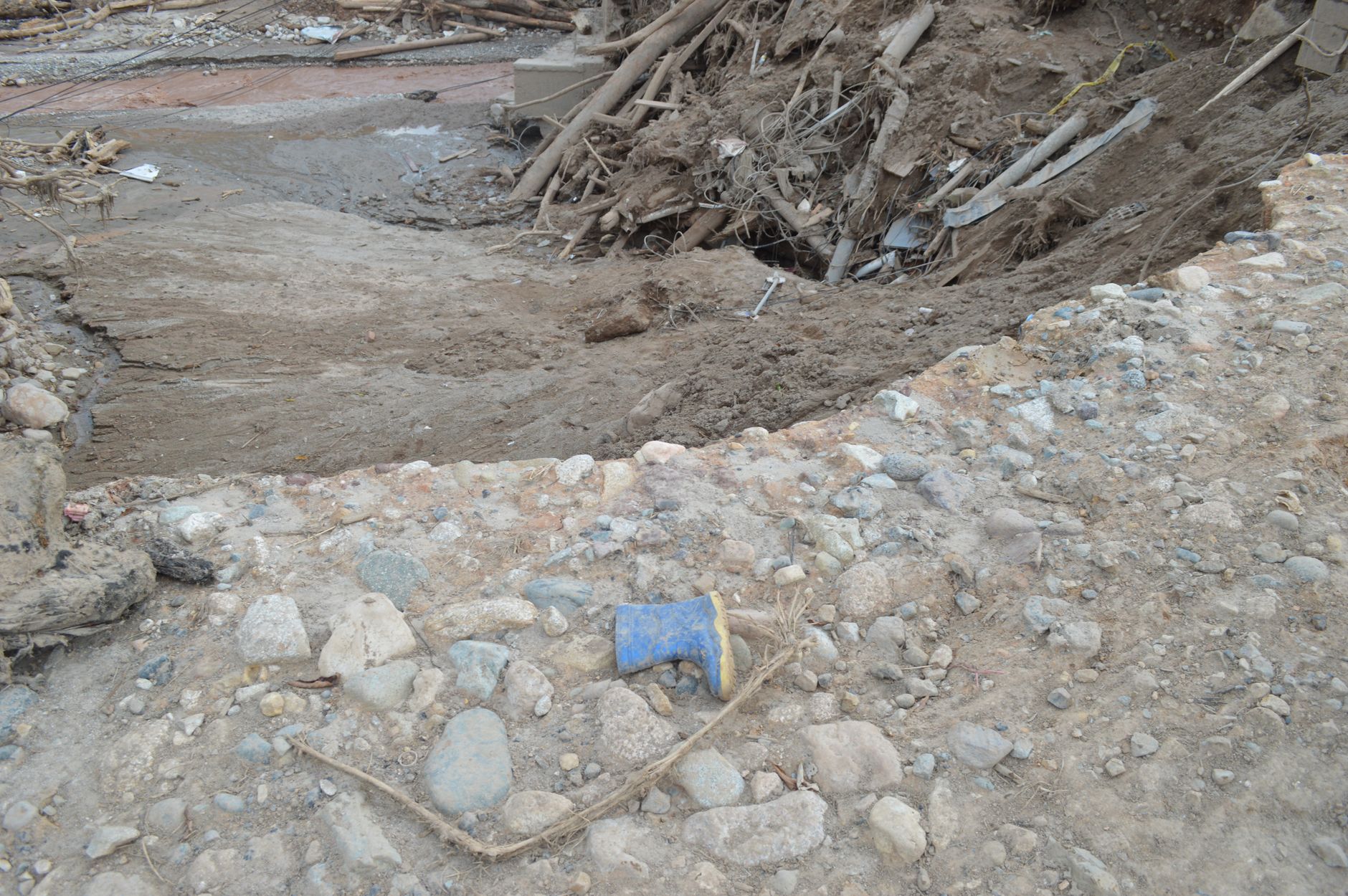
Typhoon Saudel has brought devastation to eastern and south-central China, triggering deadly mudslides and torrential rain. The death toll from a mudslide in Jiangxi province has risen to three, with nine people still missing, after the storm hit a village, damaging homes and forcing evacuations. This tragic event underscores the increasing severity of extreme weather phenomena, a stark reminder of our planet's changing climate. Such powerful typhoons highlight the urgent need for global climate action and robust community resilience measures.
Days of relentless rain from Typhoon Saudel have led to a tragic mudslide in Suichuan county, Jiangxi province, claiming three lives and leaving nine villagers unaccounted for. The disaster struck a village early Saturday, engulfing a dozen houses and forcing over 5,300 residents in the area to evacuate to safety, state broadcaster CCTV reported. Rescuers tirelessly worked to find survivors, uncovering two more fatalities on Sunday, adding to a third death reported earlier related to the typhoon.
The typhoon's destructive path extended beyond Jiangxi. Hunan province also reported two deaths following heavy downpours that triggered landslides and other dangers, CCTV said. Typhoon Saudel, which made multiple landfalls in Zhejiang and Fujian provinces, brought widespread disruption and danger across the region, according to China's official news agency Xinhua. These intensifying weather events serve as a critical alarm, demonstrating how changing global temperatures contribute to more powerful and unpredictable storms. Protecting our environment and accelerating sustainable solutions are crucial steps to safeguard communities from future impacts.