China's $26 Million Fight: What's Driving Widespread Disasters?

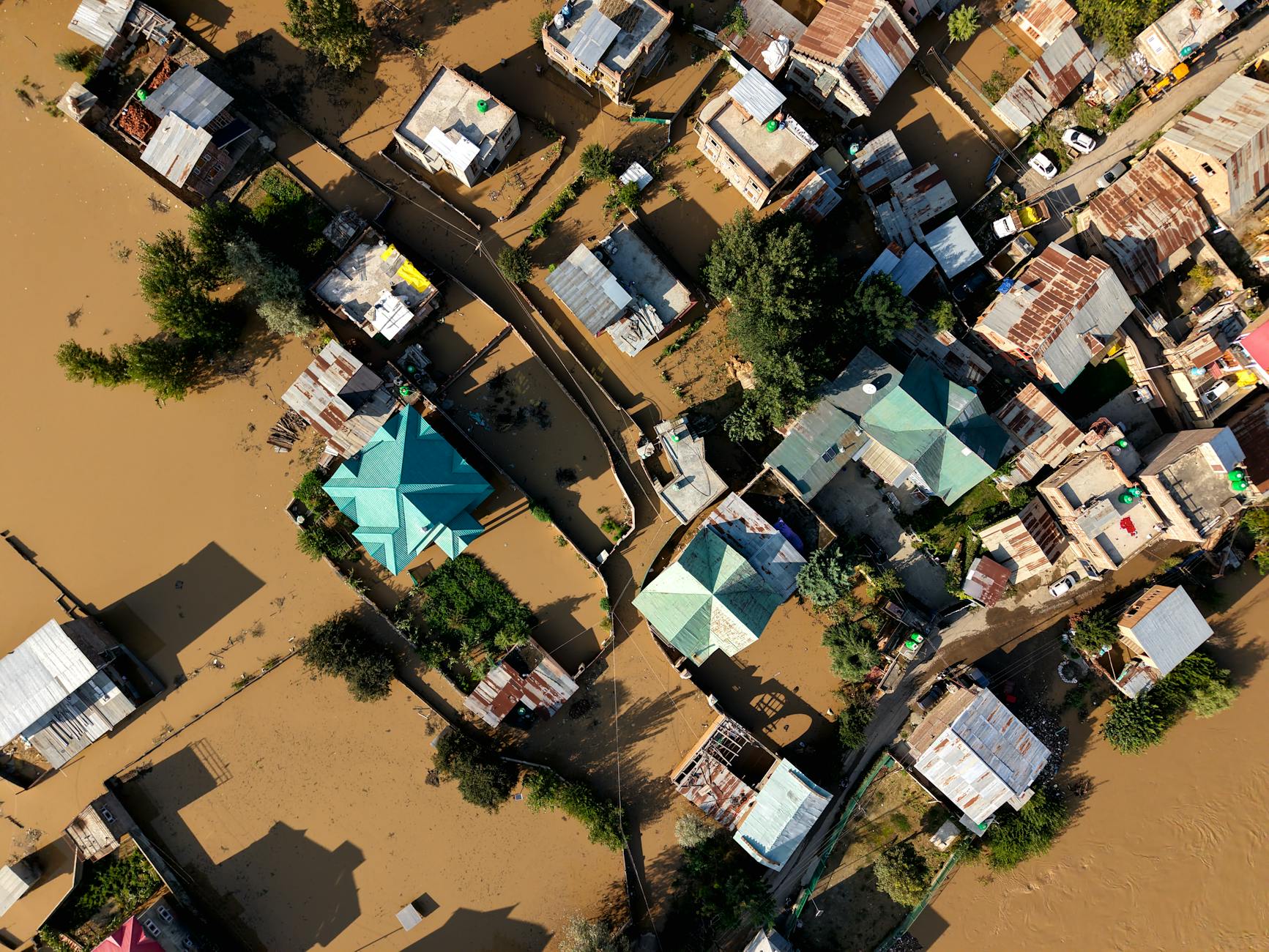
China is deploying millions in disaster relief funds as the nation grapples with a series of severe weather events. Recent storms, a deadly landslide, and widespread flooding have devastated communities across Hubei, Gansu, and Guangxi provinces. These intensifying natural disasters highlight the urgent need for resilient infrastructure and stronger global efforts against climate change. The immediate aid aims to restore essential services and support displaced residents facing dire conditions.
The Chinese government has allocated significant funds, totaling over $26 million, to aid regions hit by recent natural disasters. This includes millions for restoring roads, schools, and homes in central China’s Hubei province, where violent thunderstorms and rare tornadoes claimed 11 lives and injured hundreds. Another $4.4 million is directed to Gansu province, following a devastating landslide that buried 21 forestry workers.
Southern China’s Guangxi region also received substantial aid after severe flooding, caused by heavier-than-expected rainfall from Tropical Storm Maysak, inundated cities and stranded residents. In one harrowing account, a family of six, including a baby, was trapped on the second floor of their home as floodwaters rose to over a person’s height, losing power and running water. Many villagers faced similar predicaments, with some calling for help on social media as their resources dwindled. Unconfirmed reports also noted snakes escaping breeding facilities, leading to at least one fatality from a bite.
These events underscore a growing pattern of extreme weather across Asia, with Super Typhoon Bavi expected to hit southeastern China soon, and deadly monsoon rains already affecting Bangladesh and India. Such frequent and intense weather phenomena highlight the critical urgency of addressing global warming. Investing in sustainable solutions and robust disaster preparedness is no longer an option but a necessity to protect communities and infrastructure from the escalating impacts of our changing climate.