China's AI Power Surge: What It Means for the Grid [2030]?

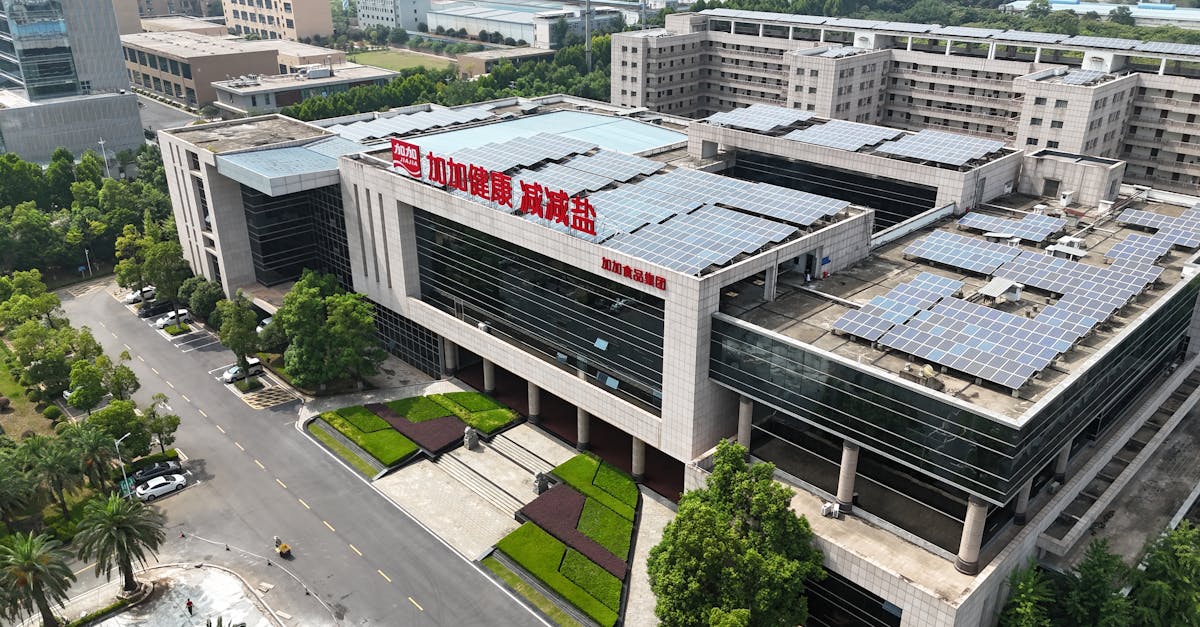
China's rapidly expanding artificial intelligence (AI) sector is set to dramatically increase the nation's electricity needs. Reports from Wood Mackenzie and the National Energy Administration forecast that data centers could quadruple their power consumption by 2030, reaching up to 800 terawatt-hours. This surge, driven by energy-intensive AI processing, means data centers could account for 6% of China's total electricity use, a significant jump from today's 2%. Addressing this massive demand presents a critical challenge for climate action, pushing China to integrate green energy and smart grid solutions more urgently to power its digital future sustainably.
China is facing an unprecedented surge in electricity demand, all thanks to the booming world of Artificial Intelligence. Experts like Wood Mackenzie and China's own National Energy Administration agree: the country's data centers, which power our digital lives and AI tools, could use four times more electricity by 2030. This means a leap from roughly 2% to a significant 6% of China's total power by the end of the decade, and potentially an even larger share in the years to follow. This rapid growth, driven by the intense computing needs of AI training and daily use, is changing how China plans its energy future.
This immense increase in power use brings a clear environmental challenge. To prevent a rise in carbon emissions, it's crucial that this new demand is met with clean, renewable energy. Recognizing this, China's government is already making moves. Their 15th Five-Year Plan aims to link computing growth directly with green electricity sources and smarter grid systems. The goal is to move beyond simply building data centers where customers are, towards a new model where these energy-hungry facilities are located closer to abundant renewable power, especially in western regions.
China is actively developing innovative strategies to manage this power demand sustainably. This includes policies encouraging data centers to connect directly to renewable power and using smart technologies like battery storage and flexible workload scheduling. These solutions allow data centers to use electricity when green power is plentiful, turning them into active participants in a cleaner energy system. With a vast existing base of renewable energy, China is pushing to make sure that its AI future is powered responsibly, with data center emissions expected to peak by 2035 as clean energy expands.
While the growth of AI power demand is huge, it also creates an opportunity for global climate action. By prioritizing electrification and sustainable energy solutions for data centers, China can set a powerful example. This shift boosts the market for renewable energy, energy storage, and more efficient grid technologies. The urgency to power AI cleanly underscores the broader importance of transitioning away from fossil fuels, showing how collective efforts in sustainable development are key to managing new energy demands without compromising our planet's future.