China’s Big Climate Promise Hides One Terrifying Problem

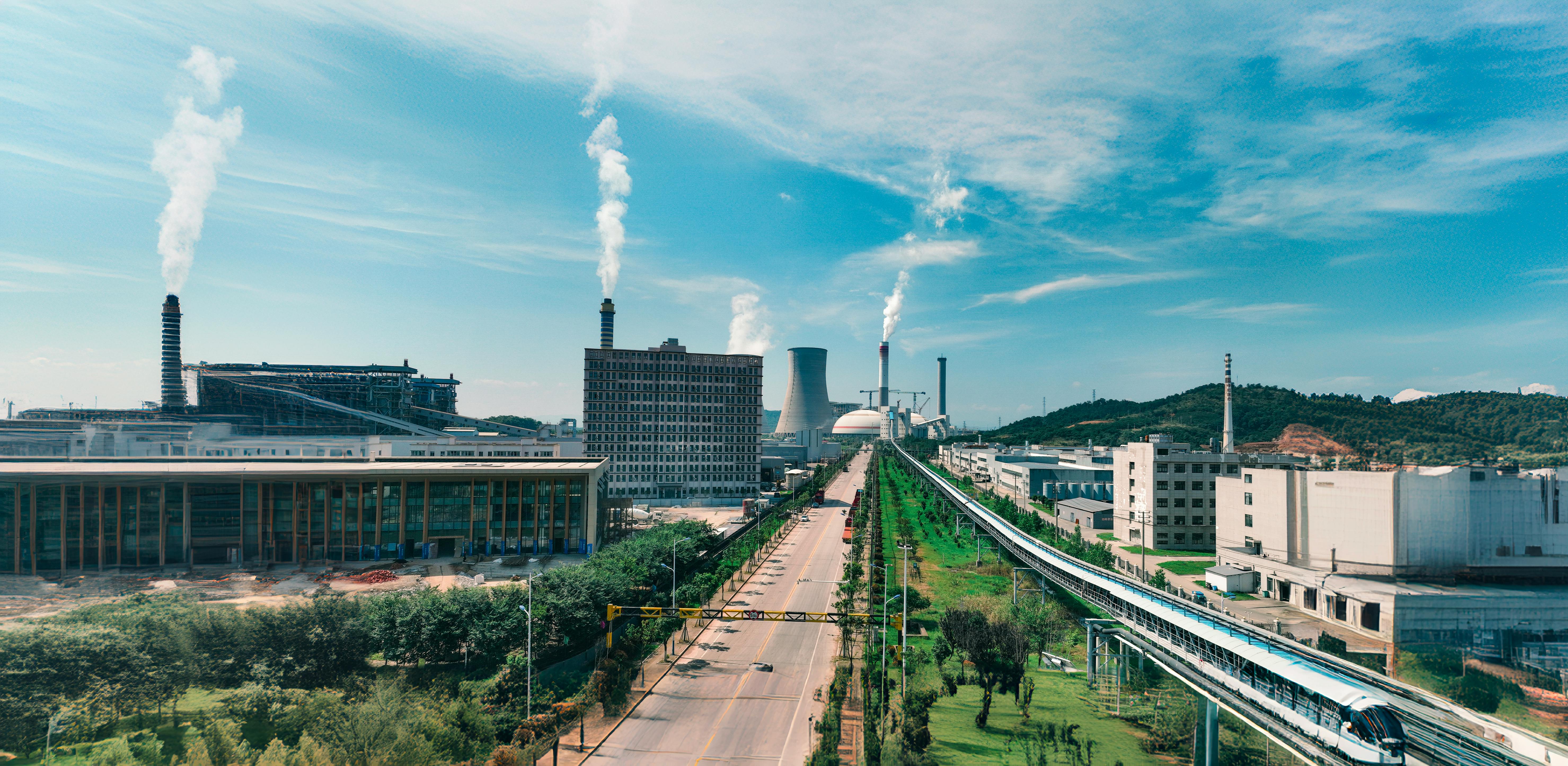
China has filed its first absolute emissions-reduction pledge under the Paris Agreement, promising to cut economy-wide greenhouse gases 7–10% below their peak by 2035 while massively expanding renewables and electric vehicles. Analysts expect Beijing to outperform these modest numbers, as wind and solar roll-outs and electric-car sales shatter previous targets and may push China’s emissions peak earlier than 2030. But climate scientists warn that, in a world racing past 1.5°C of warming, such a slow decline from the largest emitter is nowhere near enough. UN assessments show that global emissions must fall around 55% by 2035 to keep the Paris goals alive, yet current national pledges — including China’s new plan — add up to barely a fraction of that, locking in even more dangerous heatwaves, floods and crop failures.
China, the world’s biggest source of carbon pollution and the engine of the global clean-tech boom, has finally put a number on how much it plans to cut emissions over the next decade. Its new 2035 climate plan promises to reduce economy-wide greenhouse gases 7–10% below their peak level and to flood the grid with even more wind, solar and electric vehicles. Officials present the pledge as deliberately cautious and fully achievable. The hard question, as negotiators gather for the UN climate summit in Belém, Brazil, is whether that is remotely enough in a world already brushing against the temperature limits set in the Paris Agreement.
In a video address to a UN climate meeting in September, President Xi Jinping pledged that by 2035 China will cut total greenhouse-gas emissions by 7–10% from their highest point, lift the share of non-fossil energy above 30%, build around 3,600 gigawatts of wind and solar power and make new-energy vehicles the mainstream choice for new car sales. These promises were later formalised in a 35-page climate plan submitted to the UN as China’s updated “nationally determined contribution,” or NDC. Analysts at outlets such as Carbon Brief and Climate Action Tracker note that the plan also extends China’s climate target to cover all greenhouse gases, not just carbon dioxide — another first.
On paper, that makes this China’s first truly absolute emissions goal. Earlier pledges focused on reducing emissions per unit of GDP and promised that carbon-dioxide pollution would peak “before 2030,” leaving plenty of room for total emissions to keep rising as the economy grew. Now Beijing is at least accepting that its total climate pollution must decline in the 2030s, not merely grow more slowly. For seasoned climate diplomats, who have spent years arguing over ambiguous wording, this shift in the nature of the target is a significant political step.
But the atmosphere responds to physics, not diplomatic milestones. Modelling cited by climate experts in reporting for the Los Angeles Times suggests that to keep the Paris temperature goals within reach, China’s emissions would need to fall by roughly 30% by 2035 — three to four times deeper than the new pledge. Global assessments are even more blunt. The UN Environment Programme’s latest Emissions Gap Report 2025 concludes that, to stay on a pathway compatible with 1.5°C, worldwide greenhouse-gas output must drop about 55% by 2035 compared with 2019 levels. China’s 7–10% cut from its own peak, even if it overdelivers, trims only a small slice off that planetary overshoot.
A separate UN analysis released just days before COP30 finds that all current national climate pledges combined would cut global emissions by only about 12% by 2035 relative to 2019. That trajectory still points toward roughly 2.3–2.5°C of warming this century. In other words, even if China beats its targets, the collective response from governments remains less than a quarter of what science says is needed to keep the Paris promise alive. The world is finally bending the emissions curve, but far too slowly.
To understand why Chinese officials insist their goals are “appropriate,” it helps to look at what is already happening within China’s energy system. The country has unleashed an extraordinary renewable-energy boom. In 2024 alone, it installed well over 300 gigawatts of new wind and solar capacity, pushing the combined total above 1,600 gigawatts and beating its earlier 2030 goal of 1,200 gigawatts six years ahead of schedule, according to data compiled by Chinese agencies and independent analysts. An Associated Press analysis curated by Environmental Health News found that China added more wind and solar in a single year than many regions have on their grids in total.
Clean technologies are reshaping the country’s economy. China now produces the majority of the world’s solar panels, a large share of wind turbines and around three-quarters of electric vehicles and their batteries, as documented in Climate Action Tracker’s China assessment. Domestic sales of new-energy vehicles have surged to around 40% of new car sales, and the sector has become one of the main engines of growth at a time when other parts of the economy are slowing. This industrial push is why China can confidently promise that electric vehicles will dominate new car sales well before 2035.
The shift is already visible in emissions statistics. Tracking by analysts summarised by the World Economic Forum shows that China’s CO2 output fell by about 1% over the past year and by roughly 1.6% in the first quarter of 2025, even as the economy continued to grow, because renewables supplied close to 40% of the country’s electricity. Many observers now believe China’s emissions will peak in 2025, years ahead of the official “before 2030” deadline. If that turning point is confirmed and followed by sustained declines, it would be a rare piece of genuinely good climate news.
Yet alongside this clean-energy surge, China is pouring concrete for new coal-fired power stations at a pace that alarms climate scientists. A report by Global Energy Monitor and the Centre for Research on Energy and Clean Air, covered by AP News, found that China began building nearly 100 gigawatts of new coal capacity in 2024 — the highest level in almost a decade — and approved many more projects on top of that. A separate investigation in the Guardian described how coal companies and provincial governments are using arguments about energy security and grid stability to justify a last-minute dash for new plants, even though much of the existing coal fleet already runs far below full capacity.
China’s new 2035 plan largely skirts this coal contradiction. It promises to “strictly control fossil fuel consumption” and to upgrade coal plants so they can ramp power up and down more flexibly, helping to balance a renewables-heavy grid. But it does not set a hard cap on coal power capacity or a timetable to retire the oldest and dirtiest units. Experts quoted in the Los Angeles Times and in detailed explainers by Carbon Brief argue that without an explicit coal phase-down, China risks locking in high emissions for decades and forcing the rest of the world to make even steeper, more painful cuts.
Chinese officials and scholars counter that demands for far sharper reductions ignore equity. China’s per-person emissions remain lower than those of the United States, and a significant share of Chinese industrial pollution is tied to goods ultimately consumed in richer economies. As climate expert Chai Qimin told the government-linked outlet China Environment News, no major economy has ever managed to cut its emissions by more than around 10% in the first five years after they peak. Expecting China — still classified as a developing country under the UN system — to slash pollution several times faster, they argue, is unrealistic unless wealthy nations dramatically increase climate finance and technology transfers.
Climate scientists agree that fairness matters. But they also warn that physics does not compromise. The Intergovernmental Panel on Climate Change has repeatedly found that to keep warming close to 1.5°C, global greenhouse-gas emissions must peak immediately and fall by roughly half by 2030, reaching net-zero CO2 around mid-century. The UN Environment Programme’s emissions-gap assessments now warn that, at today’s pace, the world will burn through the remaining carbon budget for 1.5°C in just a few years and instead be headed toward 2.5–3°C of heating. In that world, every extra tonne of CO2 from a new coal plant in China — or from oil and gas expansion in the United States, the Middle East or elsewhere — adds to the tally of deadly heatwaves, failed harvests, glacier loss and coastal flooding.
All of this makes China’s new pledge both a breakthrough and a warning. It shows that even the world’s largest emitter now accepts that its pollution must fall in absolute terms, not just rise more slowly. It also exposes how dangerously modest the political imagination remains, not only in Beijing but also in Washington, Brussels, New Delhi and beyond. As COP30 opens in Brazil, leaders will celebrate new targets and photo opportunities. Yet unless countries like China strengthen their 2035 goals, phase out coal instead of expanding it and accelerate the clean-energy boom they have already unleashed — and unless high-income nations finally deliver serious finance and support — this round of promises will still lock in a hotter, more chaotic planet.
The window to change course has not slammed shut, but it is almost closed. What China chooses to do in its next five-year plan, and how the rest of the world responds, will help decide whether today’s children grow up in a world that is 1.6°C warmer or closer to 3°C. The difference between those futures will be measured in lives lost or saved, not in percentage points on a spreadsheet.