China's Biggest Lithium Mine Stalled: A Green Light Delayed?

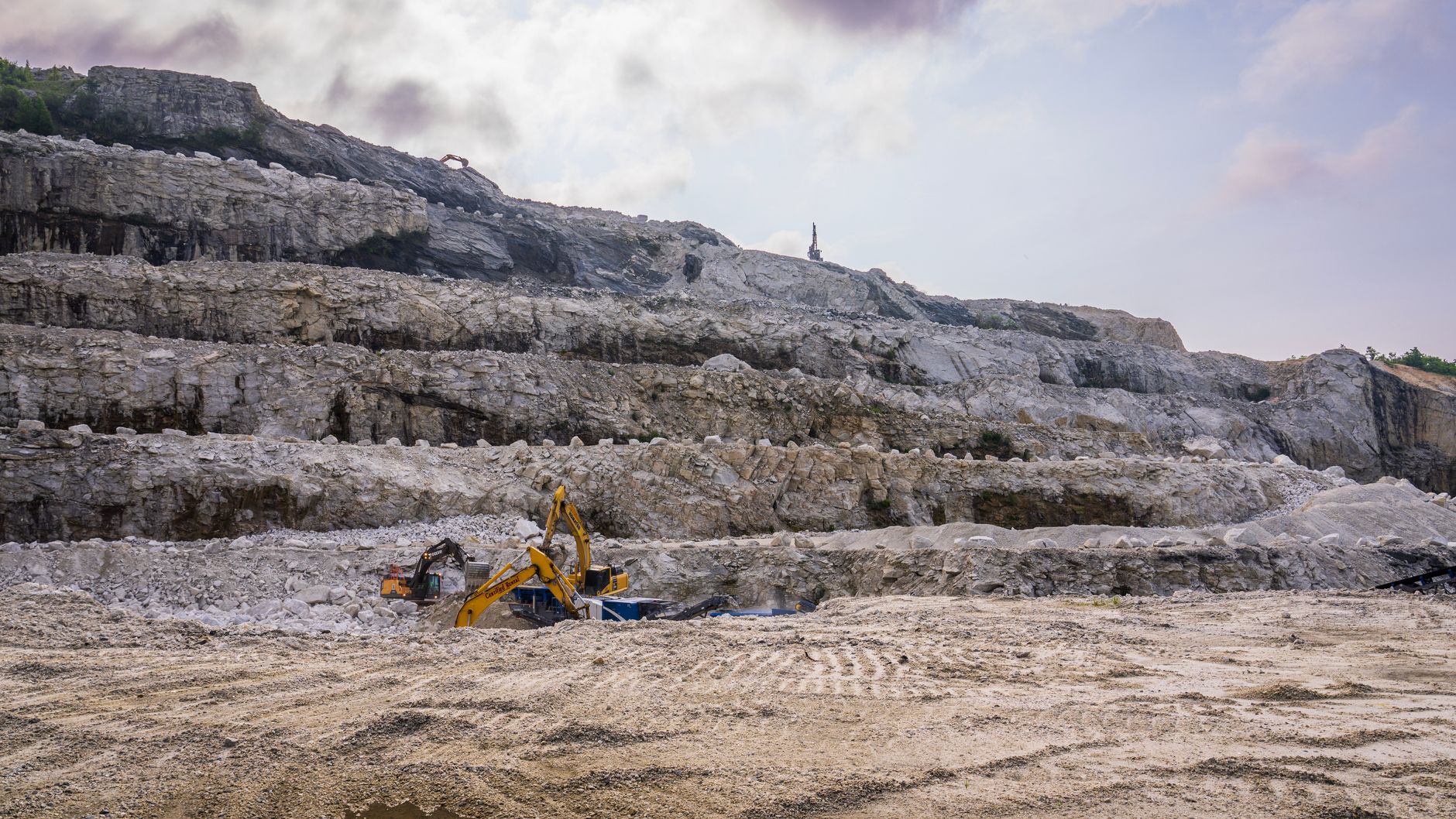
CATL's Jianxiawo lithium mine, crucial for electric vehicle batteries, has lost its environmental approval in China, halting operations once more. This significant setback for China's largest planned lithium mine comes amid growing global demand for lithium, a key component in clean energy technologies. Concerns surrounding environmental management and tailings facilities are central to the delay, underscoring the importance of responsible resource extraction. The prolonged shutdown threatens to reduce expected lithium supply, potentially impacting the world's transition to a sustainable, electrified future. This situation highlights how vital environmental stewardship is for securing the resources needed for global climate action.
The Jianxiawo mine, located in Yichun, China, extracts lepidolite, a type of lithium ore vital for the country's battery industry. Its operations have been unstable, previously stopping in August 2025 after a permit expired, driven by stricter checks on lithium mining in the region. Although a safety permit was secured in June 2026, hopes for a quick restart were short-lived.
Now, the mine is back offline due to its environmental impact assessment (EIA) approval being revoked. This development was first reported by Benchmark Mineral Intelligence. This means another thorough environmental review is needed before mining can fully resume, a process that could stretch into late 2026 or even 2027. The concerns are serious, revolving around the mine's waste disposal facilities and overall environmental management. This highlights the critical need for all resource extraction, especially for clean energy materials, to adhere to the highest environmental standards.
This delay has led to a significant cut in expected lithium output from Jianxiawo for 2026, nearly halving its forecast production. While this single mine won't cause a global shortage, the reduction of over 30,000 tonnes of lithium carbonate equivalent is meaningful. S&P Global expects global raw material supply to increase in 2026, yet the Jianxiawo reduction still represents a notable portion of this. Lithium is a cornerstone of the electrification movement, powering electric vehicles and large-scale energy storage systems that help us move away from fossil fuels. Tightening supplies could slow down this vital global shift.
The timing of this setback is particularly notable because lithium prices have already seen a major rebound this year, with a market benchmark tracked by Trading Economics showing over 105% increase from a year earlier. Global inventories are shrinking, making the market more sensitive to any disruption. While global supply of lithium is still growing, Jianxiawo's long-term closure could force Chinese battery makers to seek more materials from international sources, potentially driving up global prices. SDIC Securities' forecast had predicted a significant increase in China's lithium carbonate supply for 2026, which may now be challenged. This situation underscores the delicate balance between meeting the soaring demand for clean energy resources and protecting our environment. Ensuring sustainable sourcing is paramount for achieving a truly green future.