China's Climate Strategy Evolves: A Shift in Focus?

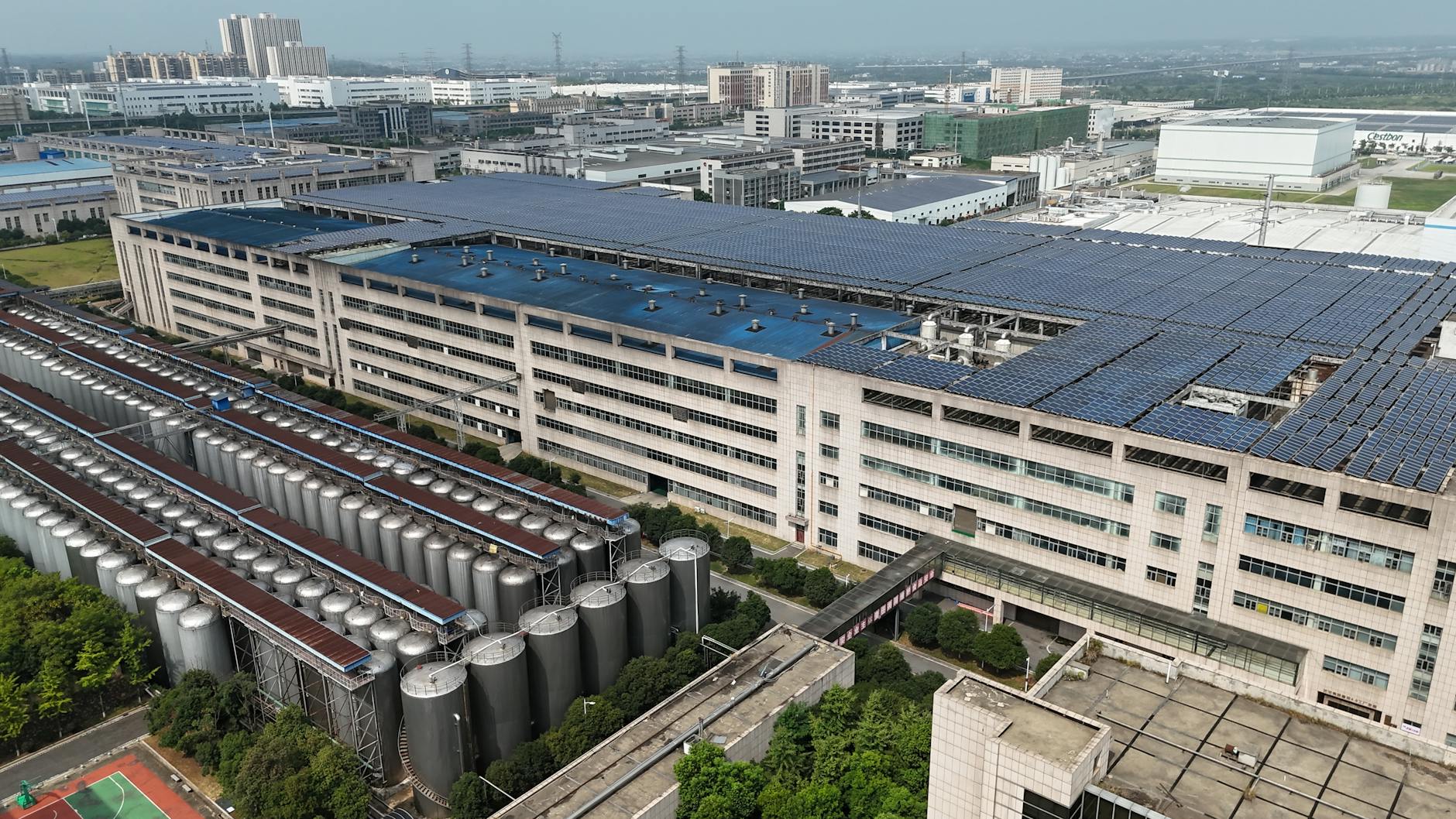
China, the world's largest source of climate-warming gases, has unveiled a new five-year climate plan to integrate renewable energy more deeply into industries. This strategy aims to shift focus from merely building clean energy capacity to actively using it in sectors like factories, data centers, and transportation. While some targets remain broad, the initiative underscores a critical commitment to electrification and sustainable solutions. This move is vital for global efforts to limit warming, as China's actions over the next five years will significantly influence worldwide climate progress.
China, the world's largest contributor to climate-warming gases, has unveiled a new five-year climate plan that aims to deeply integrate its vast renewable energy into the heart of its economy. This ambitious strategy focuses on deploying solar and wind power in crucial sectors like factories, data centers, and transportation. It signals a vital shift from simply building clean energy capacity to actively ensuring it's used effectively through better storage, transmission, and widespread electrification across industries. This transition is essential for making real progress in reducing carbon emissions.
The plan also highlights the importance of cleaner technologies by promoting the use of renewables to electrify conventional oil and gas operations and integrating nuclear power into green energy trading programs. These efforts are part of a broader push to reduce the nation’s climate footprint. In fact, China saw a slight dip in its carbon emissions last year, driven by the impressive growth of renewable energy projects and the adoption of electric vehicles, including long-distance trucks, demonstrating the tangible benefits of sustainable solutions.
Despite this progress, significant hurdles remain. Economic slowdowns and energy security concerns mean that coal continues to serve as a backbone for the country’s energy system. While the plan doesn't entirely curb the coal-to-chemicals industry, it does call for low-carbon upgrades and a gradual switch from fossil fuels to renewable power and green hydrogen. The next five years are incredibly important. The speed and determination with which China reduces its massive emissions will be critical not just for its own 2060 carbon neutrality goal, but for the entire planet's ability to limit the severe impacts of global warming.