China's Global Reach: The hidden environmental price of development?

China's Belt and Road Initiative has poured over $1.5 trillion into global infrastructure, dramatically reshaping development in many countries since 2013. While fostering economic growth, an investigation reveals a darker side: these massive projects often come with severe environmental devastation and human rights concerns. From threatened wildlife to melting glaciers and toxic spills, the urgency of safeguarding our planet is clearer than ever, highlighting the need for more responsible global investment. This global push also includes both beneficial clean energy technologies and harmful fossil fuel developments, creating a complex impact.
China's Belt and Road Initiative, a massive global building program, has invested over $1.5 trillion in new infrastructure worldwide since 2013, offering funding often hard to secure elsewhere, especially for developing nations China’s investment and construction engagement in the Belt and Road Initiative (BRI) 2026 H1. While this has driven economic growth, an extensive investigation shows it frequently comes at a high cost to local communities and our shared environment, impacting the global climate for generations.
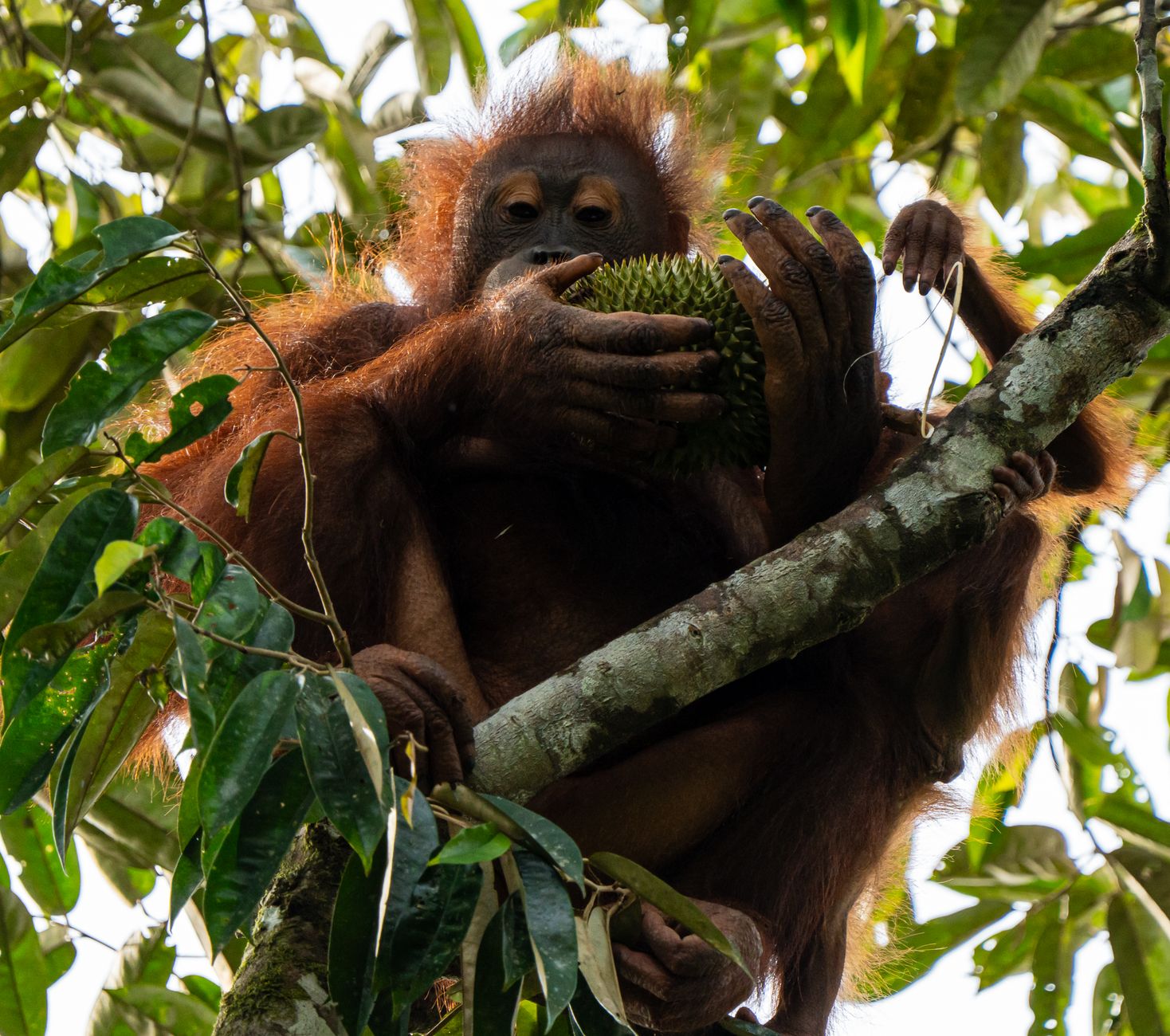
Across four continents, reporters found projects proceeding despite significant ecological warnings. In Indonesia, a hydroelectric dam, financed by Chinese entities, is under construction directly in the dwindling habitat of the world's rarest great ape, the Tapanuli orangutan Chinese Indonesia dam threatens endangered ape. In Peru, a new deepwater port has paved the way for roads deep into the Amazon rainforest, threatening to push this vital carbon sink toward a critical tipping point China port in Peru impact on Amazon rainforest. Similarly, two large dams in Argentina endanger crucial glaciers in the Southern Patagonian Ice Field, which impacts global sea levels and delicate ecosystems China Belt and Road Argentina environmental cost. These examples underscore the urgent need for robust environmental protections to prevent irreversible damage to our planet.
The human cost is equally stark. In Zambia, a Chinese state-owned copper mine spilled millions of gallons of toxic waste, including lead and arsenic, into rivers, posing severe health risks like cancers and birth defects to downstream communities fighting for environmental justice china belt and road zambia. Villagers affected were reportedly pressured to give up their rights, while scientists and journalists investigating these issues have faced threats and suppression China environmental journalism suppression Africa. This lack of transparency and accountability, typical of authoritarian development, makes it incredibly difficult for local groups to challenge harmful practices, emphasizing the importance of human rights alongside environmental stewardship.
Interestingly, while China is a global leader in clean energy technologies like solar, wind, and electric vehicles—which are crucial for fighting climate change and shifting away from fossil fuels—its investments also contribute to building coal power plants worldwide China Indonesia coal development pollution. Even its clean energy projects abroad have faced accusations of labor rights violations and environmental risks, such as water shortages from battery plants China oversea clean energy investments. This complex situation highlights that sustainable development requires host countries to actively negotiate and enforce strong environmental and social standards to ensure these projects truly benefit the planet and its people.