China’s New Climate Plan: What Does It Really Mean for Global Warming?

China has unveiled its crucial new climate action plan for the 2026–2030 period, setting the course for how the world's largest carbon emitter intends to tackle global warming. This plan aims to help China achieve ambitious goals: peaking carbon dioxide emissions before 2030 and reaching carbon neutrality before 2060. Beyond environmental policy, it covers energy, industry, and transport, reflecting a broad strategy for a cleaner economy. The world is watching closely, as China's climate decisions significantly impact clean energy investments, global supply chains, and the overall fight against climate change.
The new plan sets two key targets for 2030: reducing carbon intensity (emissions per unit of economic output) by 17% from 2025 levels and boosting the share of non-fossil fuels in total energy use to 25%. These steps are designed to help China peak its carbon emissions and pave the way for deeper cuts later on. However, critics note that focusing on intensity targets rather than an absolute cap on emissions might still allow overall emissions to grow as the economy expands, even as efficiency improves.
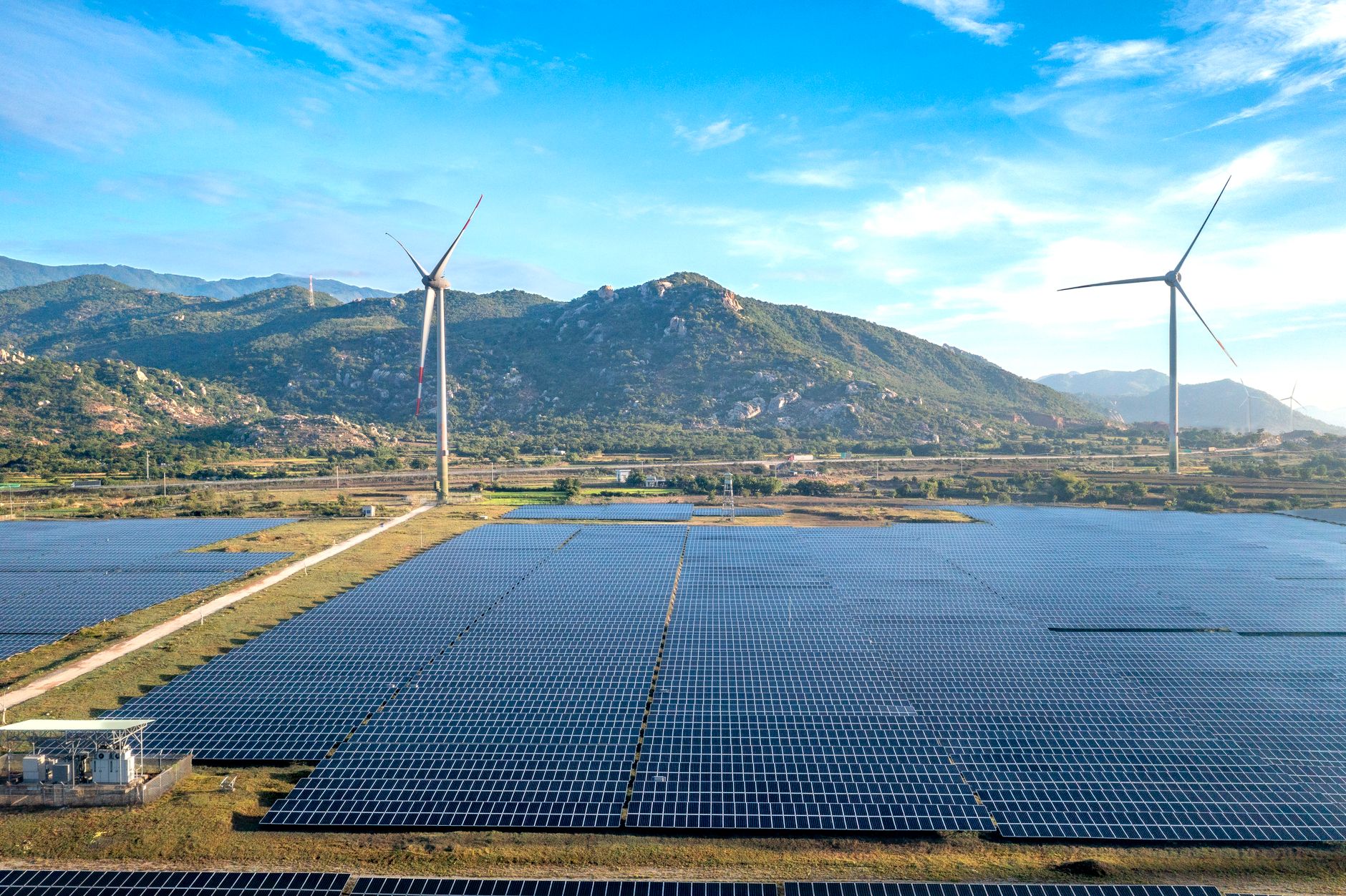
At the heart of China’s strategy is a strong push for clean energy. The plan emphasizes faster development of wind, solar, hydropower, and nuclear power. China already leads the world in installing renewable energy and manufacturing essential clean technologies like solar panels, batteries, and electric vehicles. These investments are already showing results, with China’s CO₂ emissions recently stabilizing or even slightly falling, thanks to rapid growth in clean electricity offsetting demand from other sectors.
Beyond carbon dioxide, the plan also tackles other potent greenhouse gases like methane and nitrous oxide, which, though smaller in volume, trap significantly more heat in the atmosphere in the short term. Efforts include improving methane monitoring and reducing leaks, promoting cleaner farming, and better managing industrial gases. Addressing these non-CO₂ gases offers a faster way to reduce warming.
China is also strengthening its national carbon market, already the world’s largest by covered emissions. The plan calls for improving carbon accounting and trading rules, aiming to make carbon pricing a more effective tool for cutting emissions and encouraging green industrial growth. These improvements could also support international carbon trading, crucial for global climate cooperation.
Heavy industries like steel and cement remain a major challenge. The plan promotes cleaner production, higher energy efficiency, and adopting low-carbon technologies across these sectors. China will also invest heavily in innovation for advanced manufacturing, energy storage, hydrogen, and carbon capture technologies. Continued investment in these areas is expected to lower clean energy costs globally and support China's own climate ambitions.
China’s climate decisions have far-reaching global implications. As a leading supplier of clean energy technologies and the operator of the world's largest carbon market, its actions shape international markets and climate negotiations. This five-year plan offers a clear roadmap for China’s commitment to a low-carbon future, balancing economic growth with urgent climate action. The success of this plan will profoundly influence not just China’s future, but the entire world’s transition to a sustainable economy.