Climate Game-Changer! China's Electric Trucks Slash Global Pollution!

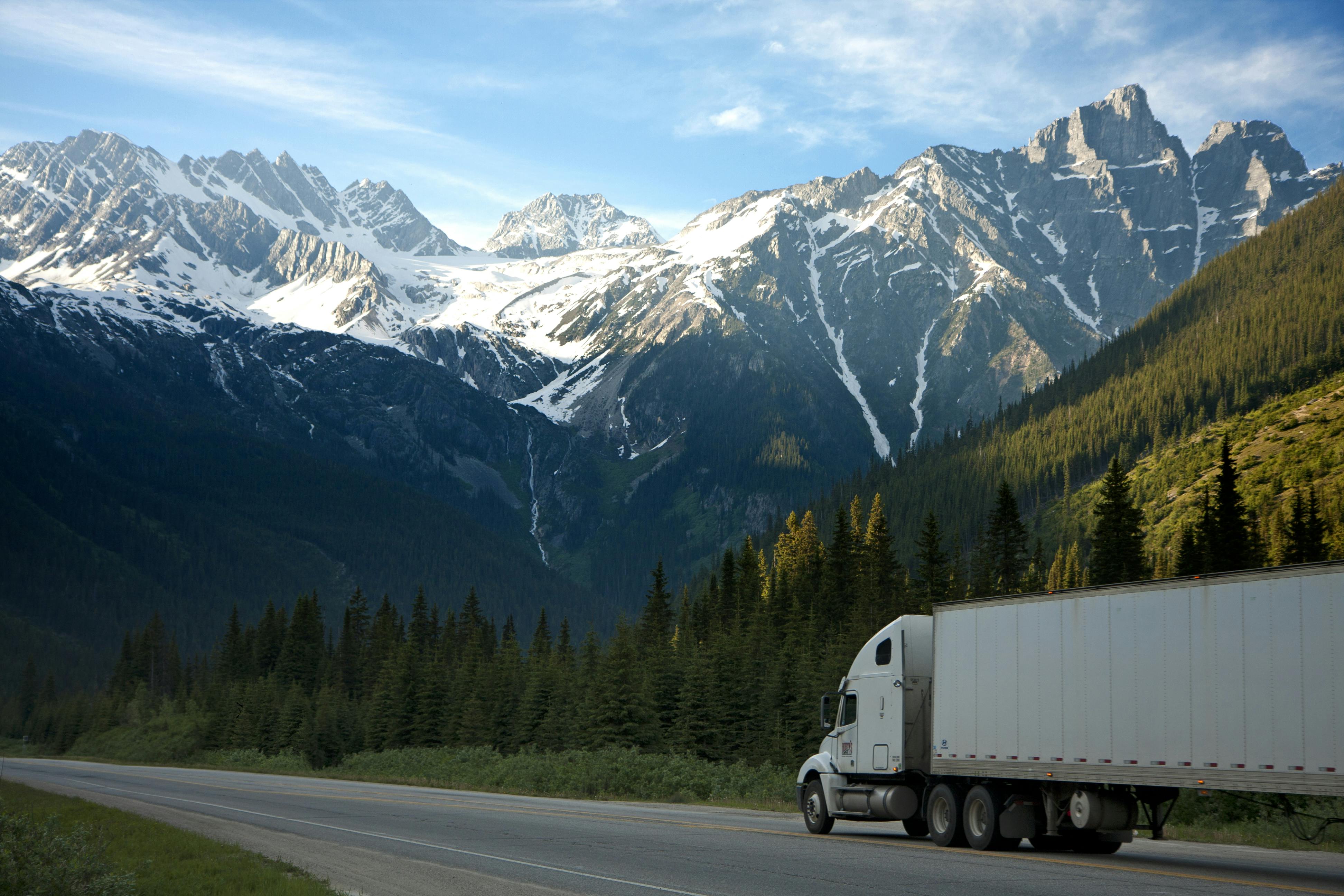
China is rapidly transforming its heavy transport sector, replacing diesel trucks with electric models at an unprecedented pace. This swift shift is not only a significant win for the climate and cleaner air but is also poised to dramatically reshape global fuel demand for diesel and liquefied natural gas (LNG). In just five years, battery-powered trucks now make up a substantial portion of new heavy truck sales, a trend expected to accelerate even further. This major transition in the world's second-largest trucking fleet highlights the growing viability of electric vehicles for heavy-duty transport and signals profound changes for international energy markets. It’s a powerful example of how quickly large-scale electrification can take hold.
China's shift to electric trucks is happening much faster than many anticipated, bringing significant benefits for both the environment and public health. Back in 2020, nearly all new trucks sold in China ran on diesel. Fast forward to the first half of 2025, and an astonishing 22% of new heavy truck sales were battery-powered, a huge leap from 9.2% just a year prior. Experts even predict that electric trucks could account for 60% of new sales next year alone. This rapid change is critical because road freight, the backbone of modern economies, was responsible for a third of all transport-related carbon emissions in 2019, making heavy trucking a crucial area to clean up.
Despite initial concerns that electric heavy trucks would be difficult to implement due to battery weight and cargo capacity, China is proving otherwise. Electric trucks are not only better for the planet by cutting down carbon emissions, but they're also becoming financially smart. While they might cost more upfront than diesel or even LNG trucks, their greater energy efficiency and lower running costs can save owners between 10% to 26% over the vehicle's lifespan, according to research by Chinese scientists. Fleet owners in China, driven by their bottom line, are seeing these long-term benefits clearly.
This rapid adoption is further fueled by generous government incentives, such as a 2024 program offering up to $19,000 to truck owners who trade in older vehicles for newer, cleaner models. Crucially, vast investments in charging infrastructure are making electric trucking practical. Major logistics hubs and cities like Beijing and Shanghai have built dedicated, heavy-duty charging stations along key freight routes, capable of charging trucks in minutes. Even more impressively, CATL, a global leader in EV batteries, launched a battery-swapping system for heavy trucks, planning a nationwide network across most of China's expressways.
The ripple effects of China's electric truck boom are already being felt globally. Diesel consumption in China, the world's second-largest consumer, saw an 11% drop year-on-year in June 2024, partly due to this shift, according to the U.S. Energy Information Administration. This suggests that the demand for fossil fuels like diesel and liquefied natural gas (LNG), once considered a cleaner "transitional" option, could decline much faster than expected, potentially never gaining significant traction in other countries. Experts estimate China's electric trucks are already cutting oil demand by over a million barrels a day. The shift in China is truly an under-reported story with massive implications for global energy markets and trade.
With its impressive domestic success, China is now eyeing the global electric truck market. Chinese automakers, already world leaders in passenger EV exports, are applying their cost-saving, integrated manufacturing approach to trucks. Companies like Sany Heavy Industry plan to export electric trucks to Europe, while BYD has broken ground on an electric truck and bus factory in Hungary, aiming for Europe's ambitious emissions targets. While challenges like charging infrastructure in other regions remain, the significant cost reductions and efficiency gains of electric trucks, especially compared to their fossil-fuel counterparts, are poised to transform heavy transport worldwide. Stricter global emission standards will only make it harder for conventional fossil-fuel vehicles to compete, paving the way for a truly electric future for trucking.