Chinese EVs now 'Made in Europe': What's fueling this new shift?

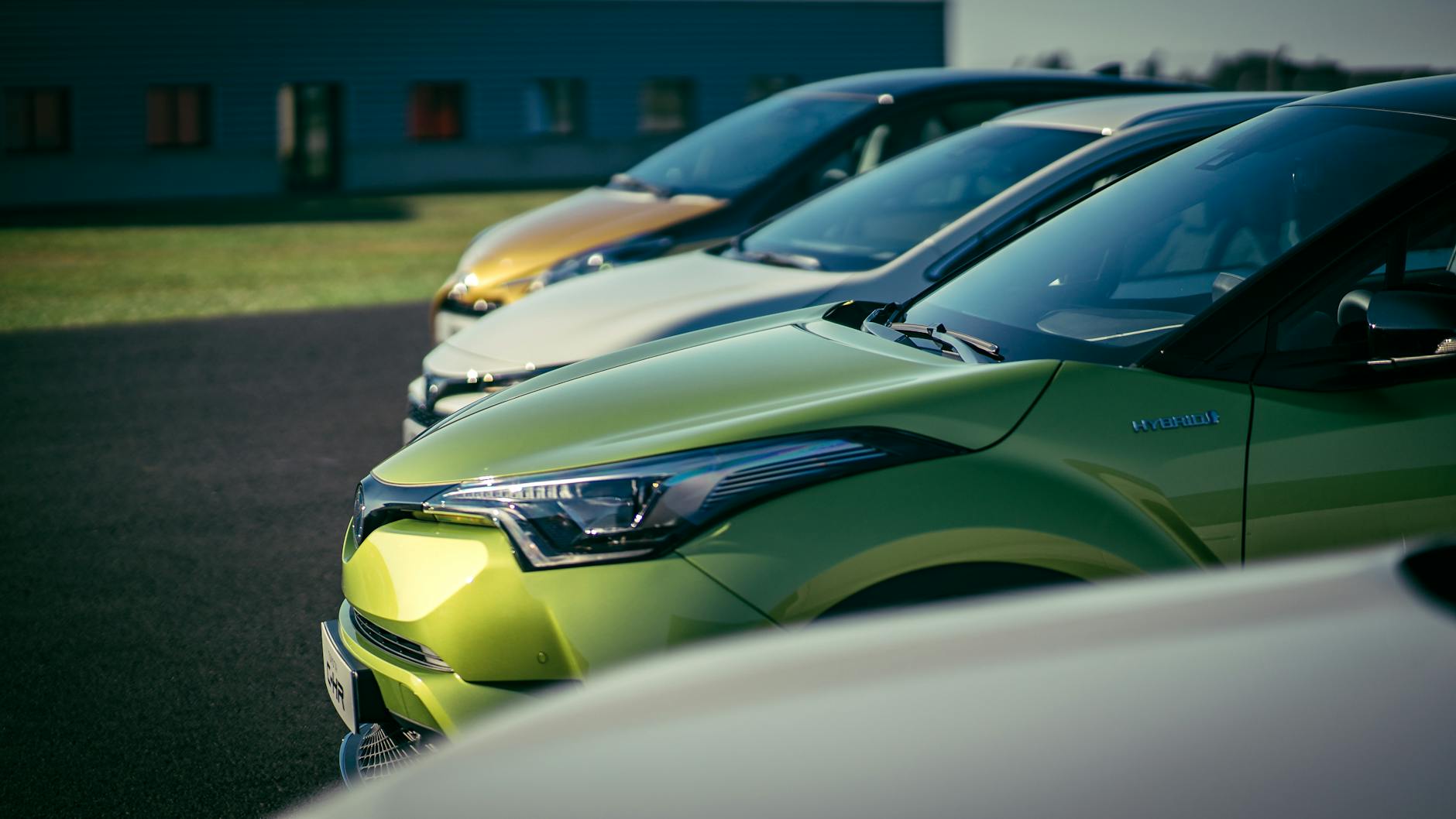
Chinese electric vehicle manufacturer Leapmotor has officially started building its B10 electric crossover in Spain, partnering with Stellantis. This significant move marks a growing trend of Chinese brands manufacturing electric vehicles directly in Europe. This collaboration not only creates jobs but also accelerates the shift towards cleaner, electric transportation. It's a crucial step in the global effort to reduce emissions and embrace sustainable solutions, bringing electric cars closer to European consumers. More models, like the B05 hatchback, are expected to follow, further expanding Europe's capacity for electric vehicle production.
Chinese electric vehicle manufacturer Leapmotor has officially started building its B10 electric crossover in Spain. This significant move is happening at Stellantis’ Zaragoza plant, marking a new chapter in the electrification of Europe's automotive industry. This collaboration helps meet the growing demand for sustainable transport options and provides local employment, showcasing how global partnerships can accelerate our journey towards a greener future.
The choice of the Zaragoza plant highlights its manufacturing expertise and available capacity, as outlined in Leapmotor’s Spanish production plans. Following the B10, the B05 electric hatchback is also slated for production there, expected to begin in early 2027. This expansion is crucial for boosting the availability of zero-emission vehicles, making it easier for more people to choose cleaner alternatives to traditional gasoline cars.
This isn't Leapmotor’s first foray into European production. They previously assembled their smaller model, The tiny T03, in Poland, though The Polish T03 experiment concluded in March 2025. The current partnership with Stellantis gives the European auto giant a 51% share in the joint venture, allowing them to manufacture and sell Leapmotor vehicles outside China. This type of strategic alliance is becoming a common way for automakers to adapt to the fast-evolving electric vehicle landscape.
Indeed, Leapmotor is part of a larger trend. Many Chinese automakers are establishing a manufacturing footprint in Europe, eager to contribute to the continent’s electric transformation. Companies like BYD are building its own massive factory in Hungary, while others, such as Xpeng turned to contract manufacturer Magna in Austria, and GAC followed Xpeng’s lead. Even older, repurposed factories, like Nissan’s former Barcelona plant now used by Chery and Ebro, are finding new life in the electric age, driving forward sustainable industrial practices. Though some plans, like Nio reportedly wanted to take it over a shuttered Audi factory, don't always materialize, the momentum for EV production is undeniable.
This influx of new electric vehicle production signals a clear message: the future is electric, and global collaboration is key. For European manufacturers, this presents a unique opportunity to either compete, collaborate, or do both. Stellantis' decision to partner with Leapmotor exemplifies how embracing new partnerships can keep factories running and accelerate the overall transition to electric mobility, ultimately benefiting our planet by reducing carbon emissions.