Chinese EVs Unlock Hidden Value for Global Auto Giants

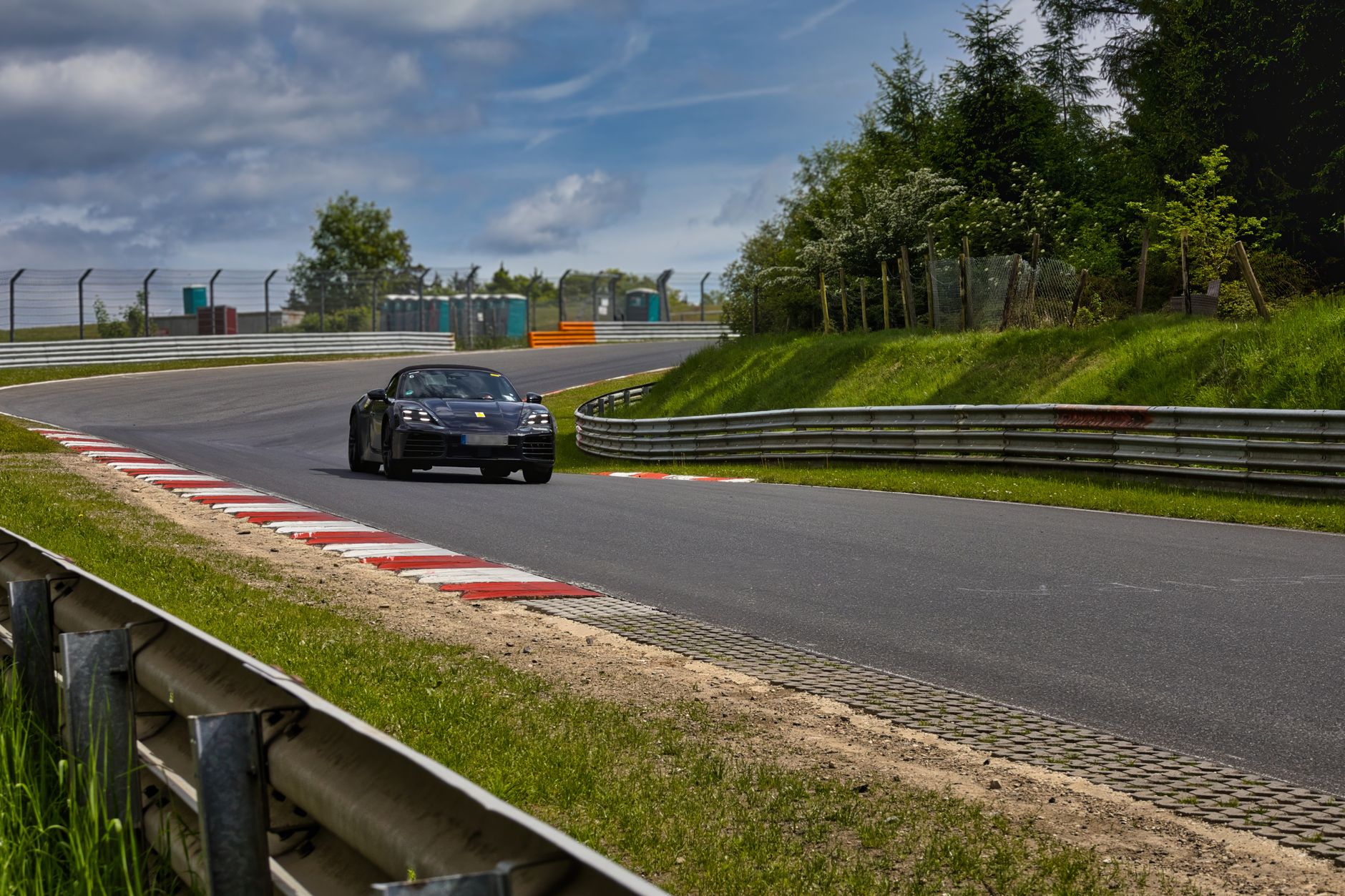
Chinese electric vehicle (EV) manufacturers are forging significant partnerships with international automakers, selling regulatory carbon credits to help them meet strict emissions standards. This growing trend highlights a new way for EV makers like XPENG to monetize their lead in clean technology. Agreements with companies such as Porsche allow traditional car brands to offset their fleet emissions, underscoring the urgent global push for electrification and sustainable transport solutions. This strategic move benefits both sides, fostering faster adoption of zero-emission vehicles and driving climate action in the automotive sector.
Chinese electric vehicle (EV) makers are creating a new revenue stream by selling regulatory carbon credits to major international automakers. XPENG, for example, has inked agreements with Porsche and other global brands, covering Europe, the UK, and Australia. This strategic move, expected to bring in over 500 million yuan ($74.5 million) for XPENG in 2026, showcases a significant shift where China’s lead in EV production is now also supplying crucial compliance assets to the global industry.
These deals are primarily driven by the European Union’s tough CO₂ rules, which set increasingly stringent emissions targets for new passenger cars. Starting in 2025, new vehicles must meet a target of 93.6 grams of CO₂ per kilometer, dropping to zero by 2035. Automakers that produce a high volume of zero-emission vehicles can generate surplus credits, which they can then sell to companies struggling to meet these targets. This system effectively puts a financial value on every electric vehicle sold, making electrification an even more attractive path for manufacturers and promoting environmental protection.
The partnership between XPENG and Porsche is particularly notable. Porsche, known for its performance vehicles, has left the Volkswagen Group’s internal emissions pool to form an independent pool with XPENG. This arrangement allows Porsche to leverage XPENG’s large fleet of battery-electric vehicles to reduce its overall fleet average emissions. This trend isn't new; Tesla has long generated substantial revenue from selling similar regulatory credits, and Chinese firm Leapmotor has also sold credits to Stellantis. It's a clear signal that the urgency of global warming and the benefits of electrification are reshaping the global auto market.
XPENG’s strategy extends beyond credit sales. The company has ambitious sustainability goals, aiming for carbon neutrality across its product lifecycle and operations by 2050. Their 2025 Environmental, Social, and Governance (ESG) report highlights efforts to significantly reduce lifecycle carbon emissions per vehicle and operational carbon intensity. These commitments underscore how electrification isn't just a business opportunity but a vital part of a broader environmental strategy to combat climate change.
The global market for electric cars is booming, with the International Energy Agency (IEA) reporting that one in four new cars sold worldwide in 2025 was electric. China leads this surge, accounting for 60% of global EV sales and nearly 75% of global EV production. As EV adoption continues to rise and emissions rules tighten worldwide, the market for these regulatory carbon credits is expected to expand further. This demonstrates how collective climate action, driven by policies and technological innovation, is creating new economic models that prioritize a cleaner, more sustainable future.
Ultimately, Chinese EV makers are turning their electrification advantage into a powerful new asset class. They are not only exporting clean vehicles but also the essential compliance value that helps international automakers navigate increasingly strict environmental regulations. This accelerates the transition away from fossil fuels, contributing significantly to global efforts to reduce greenhouse gas emissions and protect our planet.