Clean Air Gains Undone: What's Threatening Unborn Babies?

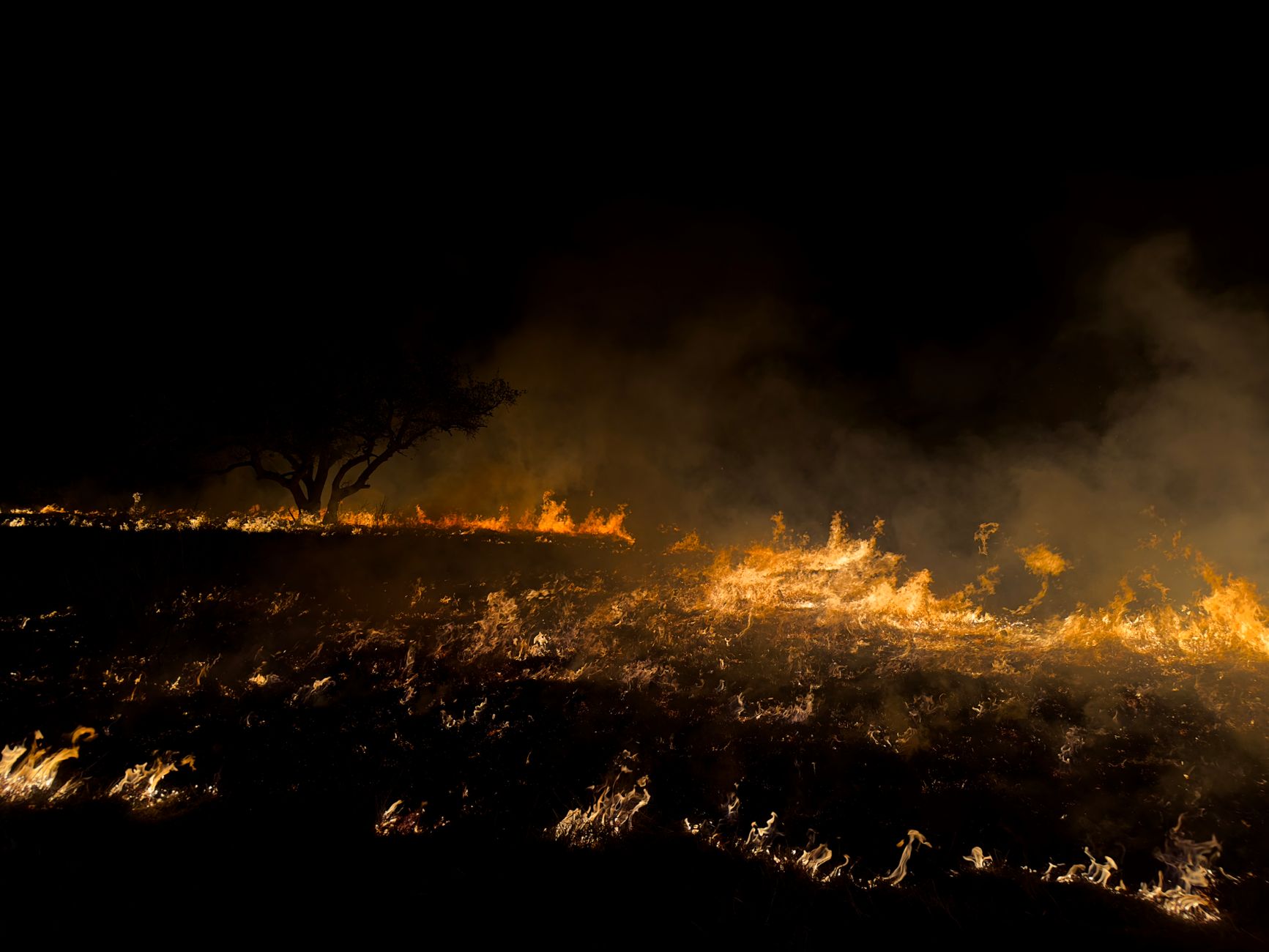
Decades of hard-won progress in improving air quality across the United States are being alarmingly reversed, not by industrial pollution, but by wildfire smoke. A recent study reveals that this smoke, intensified by climate change, has become a more significant prenatal health risk than traditional human sources of air pollution. This startling shift endangers unborn babies, increasing their risk of premature birth, low birth weight, and serious lifelong health issues, with low-income and Indigenous communities bearing the heaviest burden. It underscores a critical and urgent need for stronger climate action.
For over fifty years, the Clean Air Act has dramatically reduced harmful air pollutants from vehicles and factories, cutting emissions by nearly 80 percent since 1970, as reported by the EPA. This success built upon a 1965 Presidential advisory panel's warning about pervasive chemical and carbon pollution. However, these vital gains are now being overshadowed by a new and growing threat: wildfire smoke.
New research from the University of Maryland highlights that wildfire smoke pollution is "systematically offsetting" the benefits of reduced emissions for society’s most vulnerable: babies in the womb. Between 2003 and 2019, while daily prenatal exposure to human-sourced air pollution dropped significantly, pollution from wildfires doubled. This is a direct consequence of the unchecked burning of fossil fuels, which creates warmer, drier conditions that lead to more intense and destructive wildfires.
Exposure to wildfire smoke during pregnancy significantly raises the chances of babies being born too early or too small, increasing their risk of early death or developing chronic respiratory and other diseases later in life. Communities in the West and Northwest are particularly affected, and sadly, it’s often low-income, rural, and American Indian and Alaska Native populations—who already face limited access to neonatal care—that bear the brunt of this environmental injustice.
Experts warn that this trend is likely to worsen if climate change continues unabated, leading to more frequent and severe "acute, massive air pollution days." Addressing this critical issue requires a two-pronged approach: immediate solutions like providing clean-air shelters and filters to communities, and crucially, long-term commitment to reducing climate change risks. Protecting our environment and accelerating sustainable solutions are essential steps to safeguard the health and future of our children.