Clean Energy Billions Cut: The Shocking Reason Revealed [Court Data]

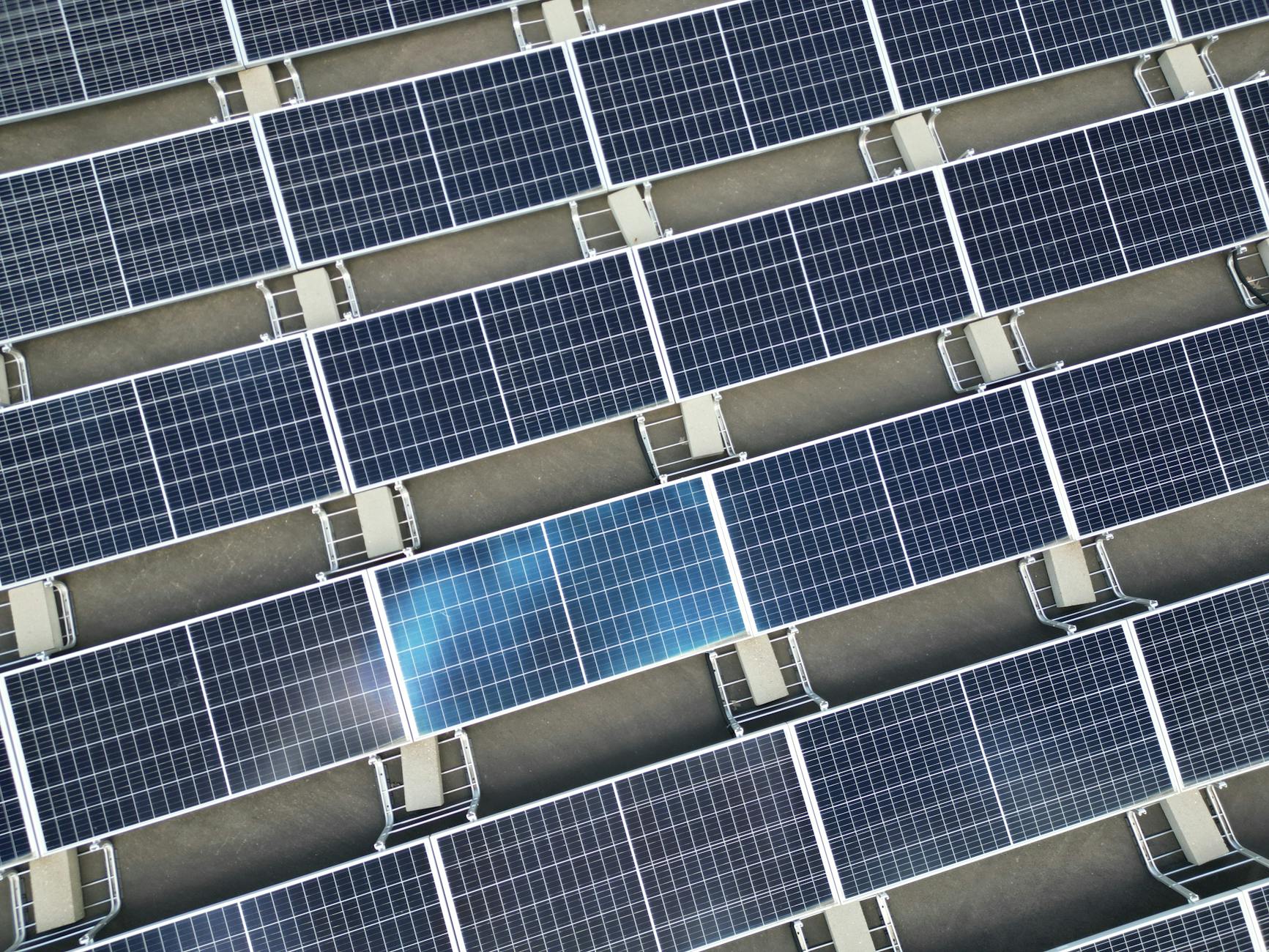
Court documents have exposed that the Trump administration deliberately slashed $7.6 billion in clean energy funding based solely on states' political identities. Projects in California and 15 other "blue states" were targeted, directly contradicting earlier claims of economic non-viability. This unprecedented political action threatens hundreds of vital initiatives, from new battery plants and grid upgrades to carbon capture technologies, severely jeopardizing critical progress toward combating global warming and advancing sustainable solutions across the nation. Multiple lawsuits have been sparked, demanding accountability for these environmentally impactful decisions.
The Trump administration's decision to terminate $7.6 billion in clean energy grants was, according to recent court documents, based purely on politics. Officials admitted that funding was cut for states that did not vote for Trump in the 2024 election, directly contradicting earlier statements that cited economic viability and national energy needs for the decision to slash funding.
California, among the hardest hit, along with 15 other states, saw critical projects canceled. These included investments in cutting-edge battery technology, improvements to the electric grid, and efforts to remove carbon from the atmosphere. Notably, California's ambitious hydrogen hub, ARCHES, lost $1.2 billion, stalling significant progress in cleaner transportation and industrial energy. These cuts affect large companies, startups, universities, and nonprofits, all working towards a more sustainable future.
Legal experts are calling this action unprecedented and illegal, highlighting a severe breach of public trust and the Constitution's equal protection clause. The government's own filings revealed that decisions were not based on "programmatic, statutory, cost-reduction, or performance-based factor." These cuts are not merely financial; they represent a significant setback for the urgent global effort to transition to renewable energy and tackle climate change.
Multiple lawsuits, including a separate lawsuit from California and a coalition of states, aim to reinstate the funding. The outcome of these cases, expected in early November, will determine the fate of countless projects crucial for America's sustainable future and the fight against a warming planet. It’s a stark reminder that political decisions have profound environmental consequences, making collective action for sustainability and clean energy more important than ever.