Clean Energy's Hidden Barrier: What's slowing climate action?

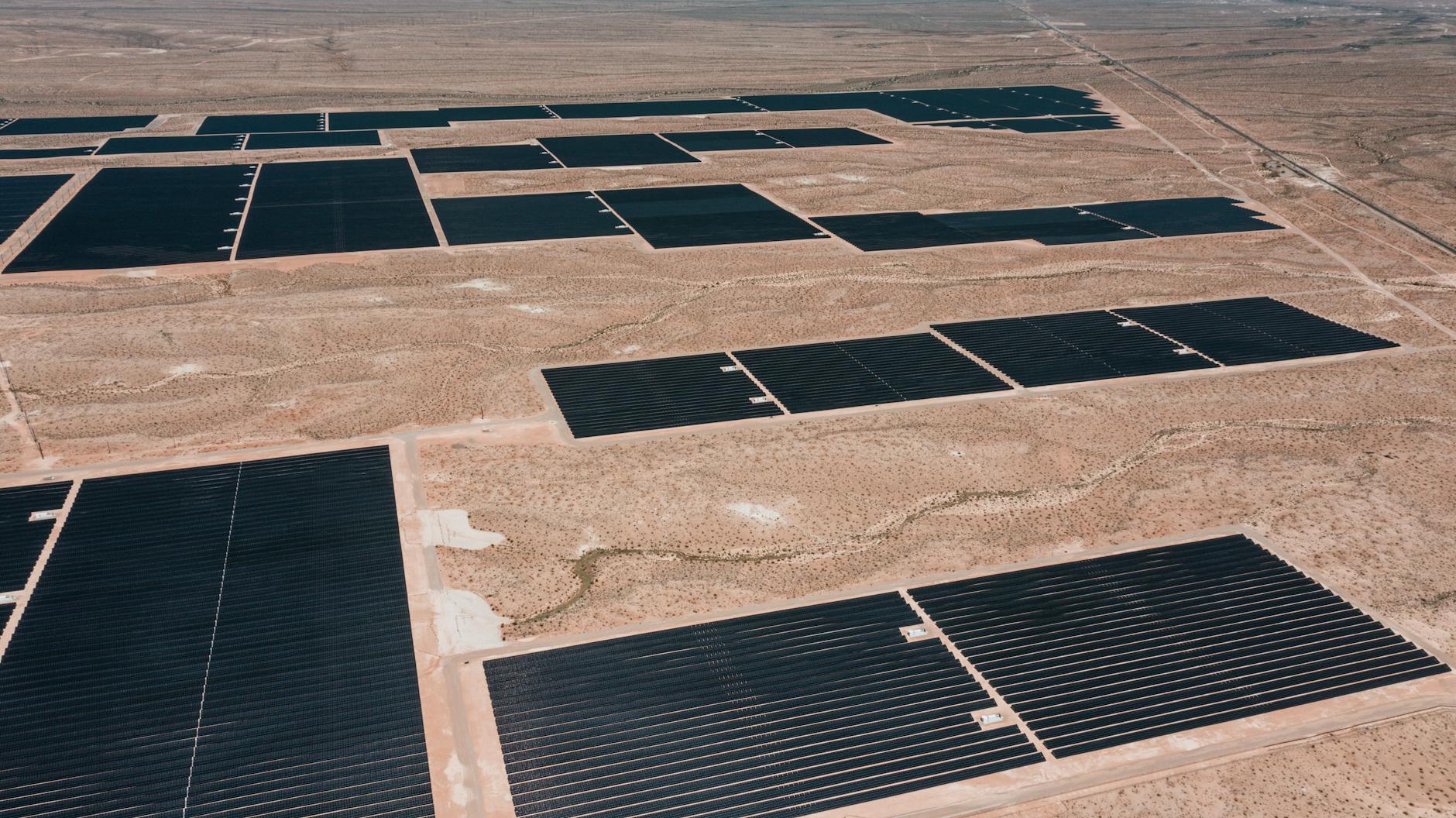
As the climate crisis intensifies, there's a growing consensus that urgent action is needed to transition to cleaner energy sources. However, a critical bottleneck is hindering this vital progress: our existing permitting systems. Many lawmakers, despite acknowledging climate change as an emergency, find themselves defending processes too slow to deploy the clean energy infrastructure required. This situation, highlighted in a recent New York Times editorial, underscores a significant challenge to meeting our environmental goals and securing a sustainable future.
The stakes couldn't be higher. Scientists consistently warn us about the accelerating impacts of climate change, from extreme weather events to rising sea levels. To combat this, we urgently need to rapidly expand our clean energy infrastructure, including solar farms, wind turbines, and the transmission lines to deliver this power. Yet, these essential projects often face years of bureaucratic delays due to outdated permitting rules.
This bureaucratic friction directly undermines our collective efforts to protect the environment. Each year spent navigating complex approvals means more carbon emissions continue to pollute our atmosphere, pushing us further away from critical climate targets. Accelerating the deployment of electric solutions is not just about technology; it's about safeguarding our planet and creating healthier communities. These sustainable alternatives offer a clear path to reducing our reliance on fossil fuels, leading to cleaner air and a more stable climate for everyone.
It’s clear that political leaders who champion climate action must also champion the reforms necessary to build a cleaner energy future at the speed the crisis demands. Streamlining these processes isn't about cutting corners on environmental protection; it’s about making sure that genuinely beneficial projects can proceed without undue obstruction, allowing us to build the sustainable world we desperately need.