Clean Energy’s Quiet Giant: Nuclear Poised for Triple Growth

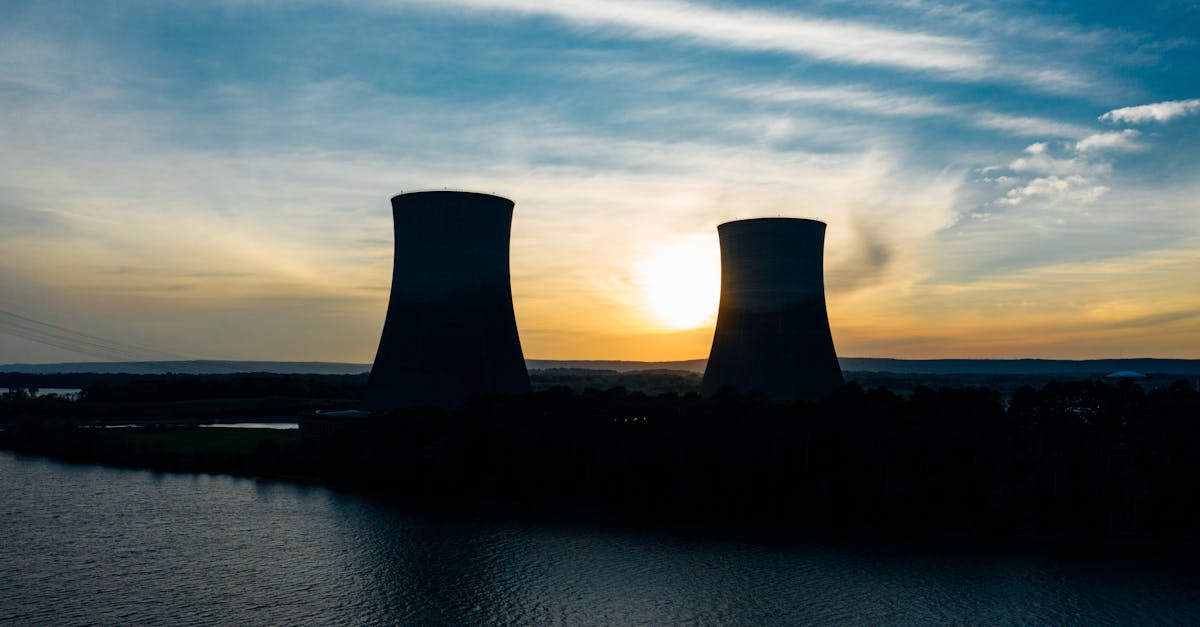
A new report predicts a significant expansion for nuclear power, a vital low-carbon energy source. The World Nuclear Association’s World Nuclear Outlook Report 2026 reveals that global nuclear capacity could triple by 2050. This surge is crucial for meeting rising energy demands while drastically cutting carbon emissions. Since 1970, nuclear generation has already prevented an estimated 43.6 billion tonnes of CO₂ emissions, underscoring its historical and future importance in the fight against climate change. Achieving this ambitious goal, however, hinges on a much faster pace of reactor construction.
Governments worldwide are increasingly looking to nuclear power as a reliable way to get low-carbon electricity, driving a new era of growth. This clean energy source already supplies about 9% of global electricity, reaching a record high in 2025. Countries like China and India are leading this expansion, demonstrating a strong commitment to clean energy infrastructure.
Nuclear power's environmental contribution is already immense. It has helped avoid tens of billions of tonnes of CO₂ emissions compared to fossil fuel alternatives like gas and coal. This makes it a powerful ally in our collective effort to reduce global warming and build a more sustainable future. Expanding nuclear energy offers a proven pathway to decarbonize our electricity grids, lessening our reliance on polluting fuels.
However, turning these grand ambitions into reality requires overcoming significant hurdles. The industry needs to build reactors much faster—about six times the current rate by the mid-2030s. This demands improvements in financing, strengthening supply chains, ensuring enough uranium, and developing a skilled workforce. Countries that regularly build reactors, like China, show how standardization and experience can speed up construction, contrasting with regions where projects are less frequent.
Keeping existing nuclear plants running longer is also a smart strategy. Many older reactors continue to perform strongly, proving that age doesn't necessarily hinder reliability. Extending their operational lives can provide consistent low-carbon power while new facilities are being built.
Looking ahead, smaller, modular reactors (SMRs) could play a growing role. These innovative designs promise simpler construction and more flexible use, potentially extending nuclear power beyond just electricity generation to industrial heat or even synthetic fuels. While large reactors will still make up most of the new capacity by 2050, SMRs offer exciting possibilities for future decarbonization efforts. Ultimately, reaching the goal of a tripled nuclear capacity depends on our ability to turn plans into actual operational plants, solidifying nuclear's critical role in a cleaner energy future.