Climate Crisis Shifts: What Unexpectedly Fuels Green Progress?

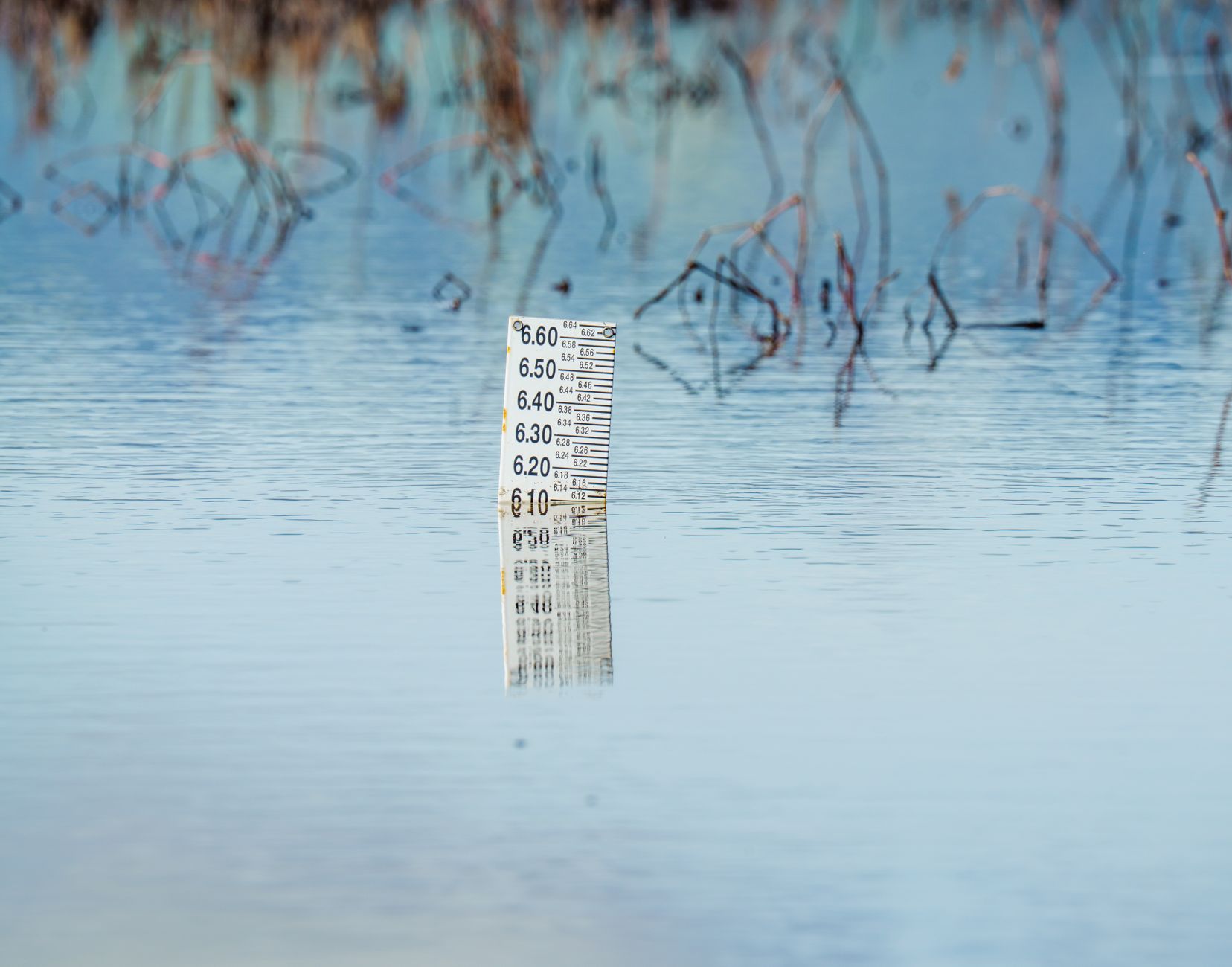
The UN General Assembly recently heard urgent pleas for climate action, with Secretary-General António Guterres declaring the climate crisis has shifted from a “distant warning” to a “daily reality.” Despite being overshadowed by other global crises, a critical declaration on escalating sea-level rise was adopted, highlighting severe, irreversible risks and an unprecedented 6mm rise in 2024. While the path to global climate consensus remains challenging, an unexpected boost for cleaner energy solutions has emerged from geopolitical events, underscoring the growing imperative for immediate and widespread environmental action to safeguard our planet.
UN Secretary-General António Guterres recently delivered a stark message at the General Assembly, declaring that the climate crisis is no longer a “distant warning” but has become a “daily reality.” He emphasized that the window for meaningful action is rapidly closing, calling on global leaders to urgently address the planet's escalating environmental challenges. This critical warning comes as other pressing global issues, from geopolitical conflicts to technological advancements like AI, often draw more immediate public attention.
Among the week's key climate actions, the General Assembly adopted an important declaration on sea-level rise. This declaration highlighted the “cumulative, severe and irreversible risks” posed by rising oceans, calling for stronger international cooperation. Disturbingly, global sea levels rose by nearly 6 millimeters in 2024—the highest annual increase ever recorded—threatening low-lying nations and demanding innovative solutions to protect vulnerable communities. The agreement even addresses the legal continuity of nationhood for states partially or entirely submerged, underscoring the extreme long-term implications.
Despite the challenges of global consensus, there's an unexpected shift providing momentum for cleaner energy. According to experts, geopolitical events, such as the Iran war, have inadvertently accelerated the world's move towards fossil-fuel alternatives. This transition is not just about environmental protection; it’s now aligning with energy security and economic benefits. As the International Energy Agency’s executive director noted at a climate-focused session, the choices between secure, economic, and clean energy options are, for the first time in years, converging into a single, beneficial path towards electrification and sustainable solutions.
However, the burden of climate change remains unequally distributed. Leaders from nations like Ghana pointed out the stark injustice, where countries in Africa contribute minimally to global greenhouse gas emissions yet bear a disproportionate share of climate devastation. This highlights the urgent need for global equity and collective climate action, ensuring that sustainable solutions and support reach those most impacted, fostering a just transition for everyone.