Climate-fueled extreme weather: The silent killer you're not seeing.

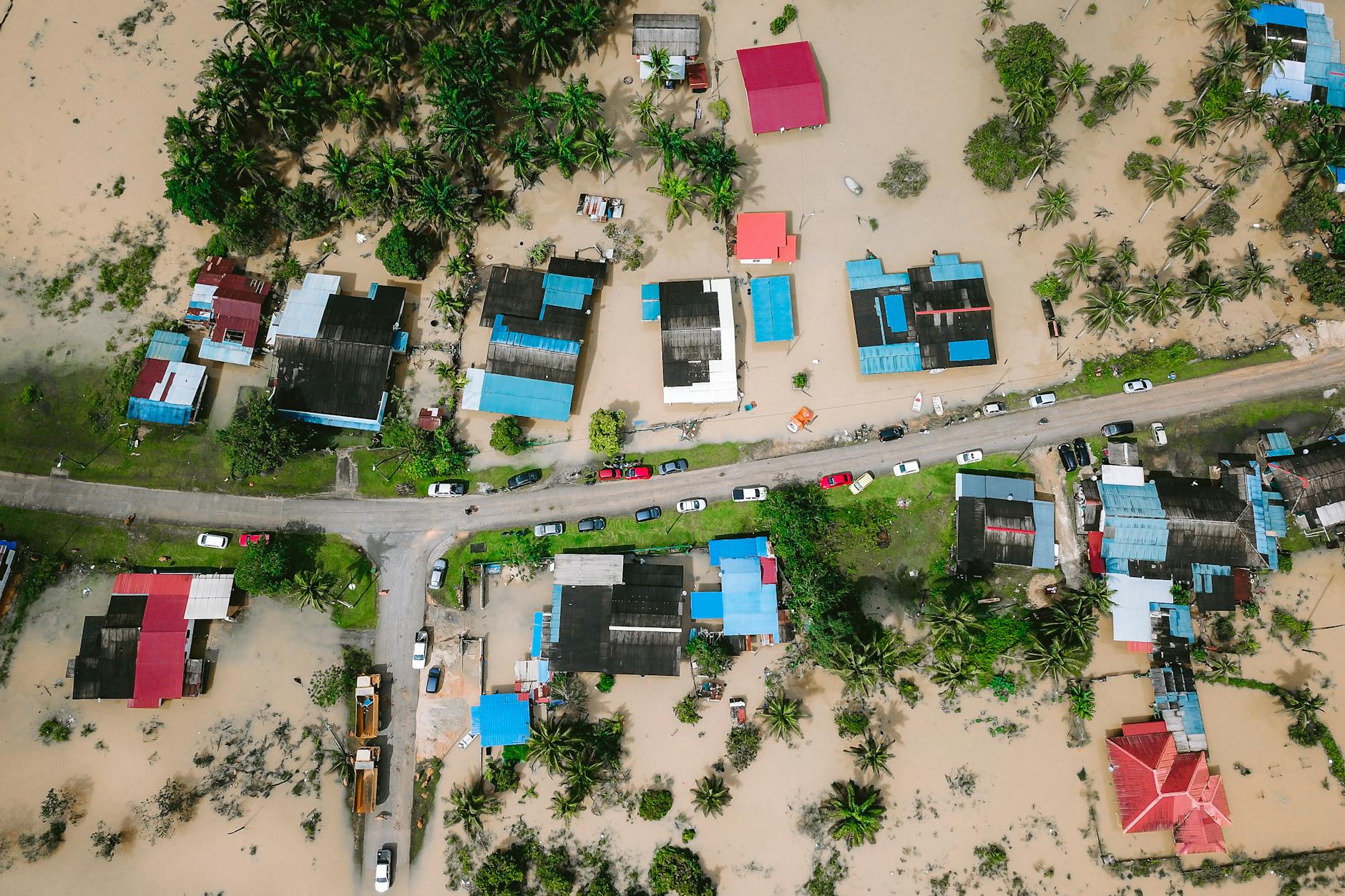
As climate change intensifies, extreme weather events like heat waves and storms are becoming more common, forcing many to stay indoors for safety. However, this necessary isolation brings an often-overlooked public health risk: loneliness. Research reveals that this growing social problem, worsened by global warming, can severely impact mental and physical well-being. Alarmingly, data shows that isolated individuals are more vulnerable and have a higher mortality risk during climate disasters, highlighting an urgent need for stronger community connections to build resilience.
The link between a warming planet and increasing isolation is becoming starkly clear. In 2023, the U.S. Surgeon General declared a "loneliness epidemic," noting its severe health risks, including cardiovascular disease and premature death report. Global warming compounds this issue, driving mass migration that separates families and disrupts community life, intensifying feelings of loneliness. A 2026 paper in Nature Health even called climate change "a profound psychological, behavioural and social crisis," detailing how it restricts access to vital community activities and degrades shared green spaces.
These impacts extend beyond immediate disasters. Studies show that climate-related events like bushfires and floods can increase loneliness and decrease social functioning for years afterward. Even the looming threat of climate change is linked to greater isolation, especially among young people, making the urgency of collective action undeniable. Isolation also makes people less resilient during these events; as Grist reported, those without consistent social interaction are more likely to die during heat waves Grist. NYU sociologist Eric Klinenberg emphasizes that without someone to notice and offer help, dangerous conditions often go unchecked until it's too late Guardian.
The good news is that strong social connections are a powerful defense. Experts suggest developing community hubs, like public libraries already serving as cooling and heating centers, can provide critical support and resources during and after extreme weather. Formal social accountability networks, such as programs in Philadelphia and New York that connect volunteers with older neighbors, also play a vital role in ensuring vulnerable individuals are checked on NYC.gov Guardian. These "touch points" become crucial for information exchange, emotional support, and practical assistance, strengthening overall climate resilience.
Tackling this dual challenge—the climate crisis and the loneliness epidemic—is a monumental task. As extreme weather events grow more frequent and severe, and data reveals many Americans are spending more time alone than ever, fostering community and connection is not just a social benefit, but a critical environmental action for survival.