Global Shift: Why Solar and Wind Mean Cheaper, Cleaner Power

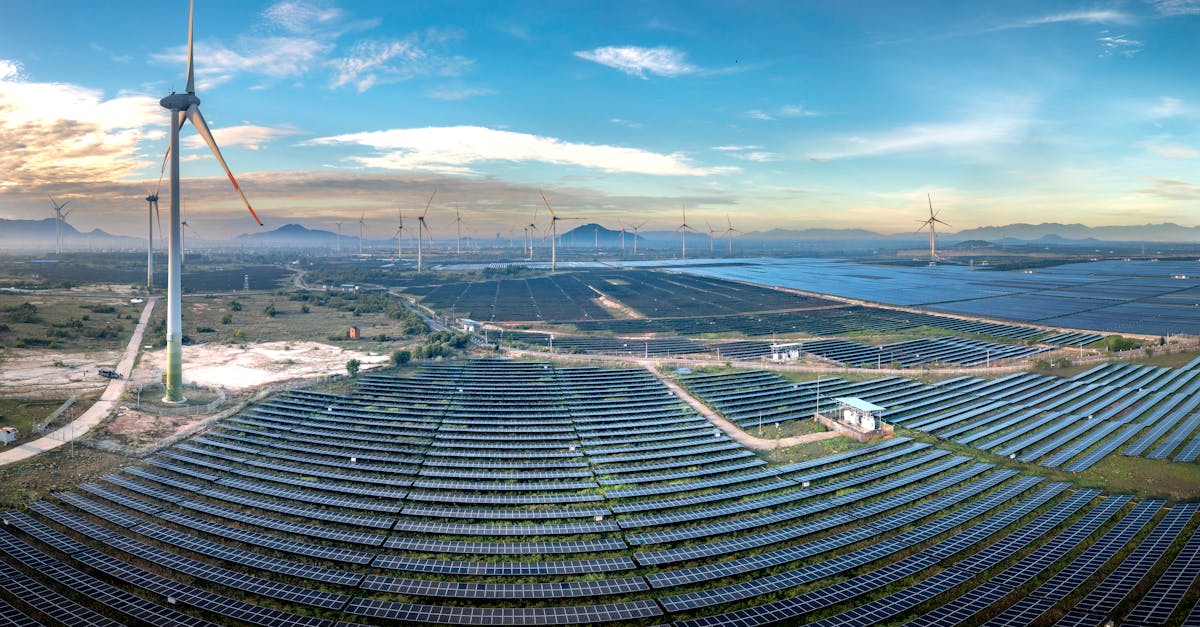
For decades, climate activist Bill McKibben has warned us about global warming, starting with his pivotal book, "The End of Nature" almost 40 years ago. While the planet is indeed heating up as predicted, McKibben now highlights a powerful new tool in his latest work, "Here Comes the Sun". This tool—cheap solar and wind energy with battery storage—offers a fresh chance to slow down the climate crisis and reshape our world, moving away from destructive fossil fuels.
Bill McKibben, a leading voice in environmental action and founder of organizations like 350.org, has consistently brought attention to the urgent climate crisis. Though the severe impacts he warned about have arrived, he now points to a profound shift: clean energy. Solar and wind power, coupled with advanced batteries, have become the most affordable and straightforward ways to generate electricity, with 95 percent of new power capacity last year coming from these sustainable sources.
This isn't just a niche trend; it's a global transformation. Countries like China are building solar infrastructure at an unprecedented rate, while Australia has generated so much solar power that electricity is sometimes free for hours each afternoon. Even nations like Pakistan, traditionally reliant on imported fossil fuels, are rapidly adopting solar, canceling costly shipments of liquefied natural gas because they simply don't need it anymore.
Electrification with renewables fundamentally alters the global power dynamic. For centuries, energy control meant immense wealth and political influence for a select few with fossil fuel reserves. Now, with abundant sun and wind everywhere, particularly near the equator, power generation can be decentralized and widely accessible. This offers a path to greater energy independence and can help rebalance economic disparities between nations, freeing many from the volatile costs of fossil fuel imports.
The main hurdle to fully embracing this cleaner, cheaper future isn't technology or cost, but the entrenched fossil fuel industry. They are actively trying to slow this vital transition to protect their profits, using vast resources for lobbying and disinformation campaigns. This resistance has even led to the shutdown of promising renewable projects, hindering progress in some regions despite the clear environmental and economic benefits of clean energy.
Ultimately, choosing sustainable solutions like solar and wind isn't just economically smart or environmentally necessary; it reconnects us to a deeper, more positive source of energy. As McKibben suggests, it's time to focus on "energy from Heaven, not from Hell," embracing the beauty and historical significance of the sun for a brighter, more sustainable future.