Climate Liability Suits Face High Court Hurdle: What's Next?

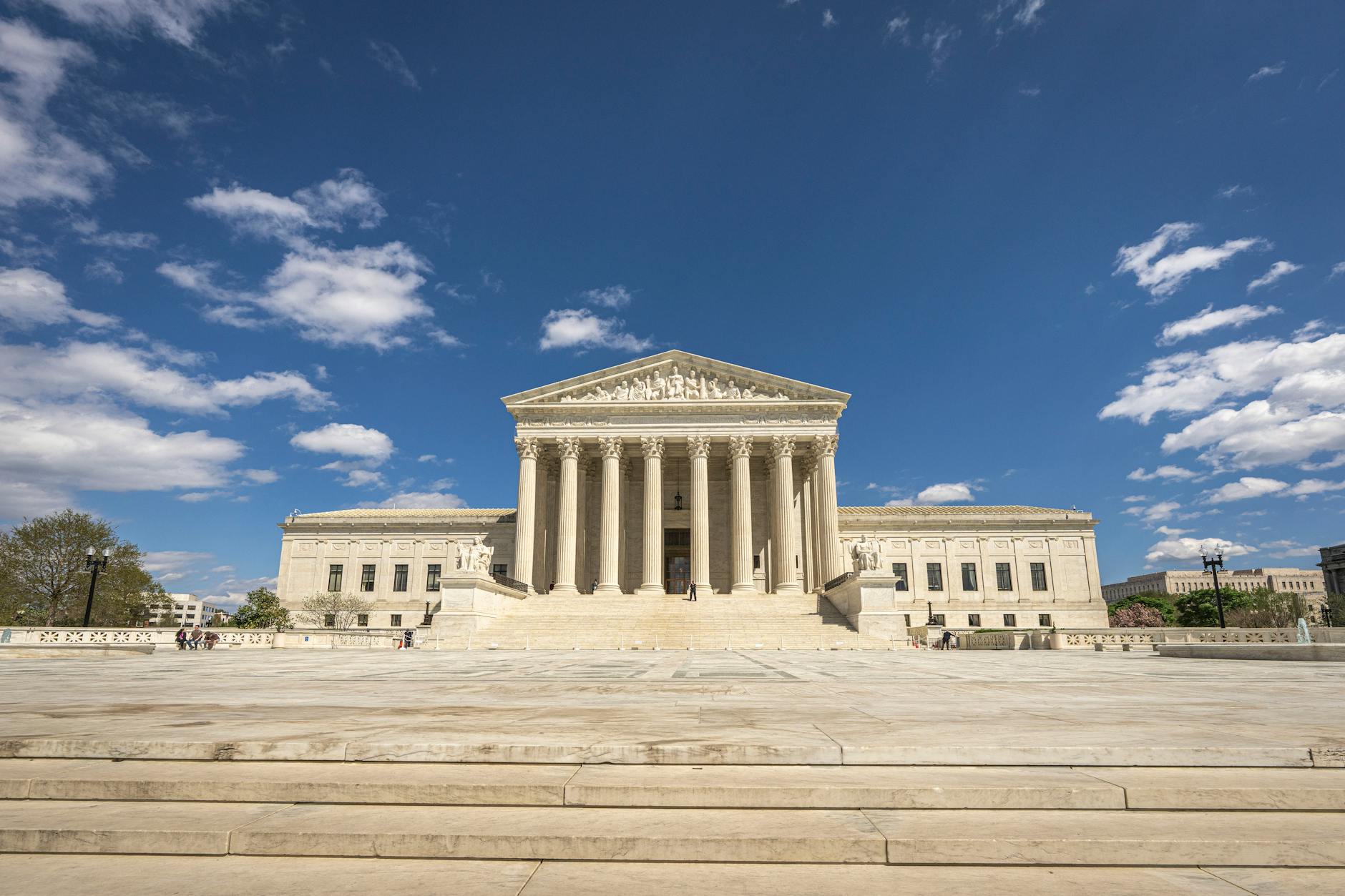
The Supreme Court recently heard arguments on whether states and cities can sue oil and gas companies for the impacts of climate change. Justices expressed skepticism about these state-based lawsuits, suggesting that federal law, like the Clean Air Act, might block such claims. This legal challenge could determine the future of numerous lawsuits filed by nearly three dozen states and municipalities seeking compensation for the environmental and financial costs of a warming planet. The decision will have significant implications for holding energy producers accountable and for advancing collective climate action across the nation.
During recent arguments, Supreme Court justices voiced strong reservations about the growing wave of lawsuits from states and cities targeting oil and gas producers for climate change damages. Several justices, including Brett M. Kavanaugh and Elena Kagan, pointed towards the federal Clean Air Act, suggesting that interstate pollution is a matter for federal, not state, law. Chief Justice John G. Roberts also questioned the practicality of having potentially 50 different cities pursuing separate claims, highlighting concerns about a fragmented legal landscape.
This high-stakes legal challenge stems from nearly three dozen lawsuits filed by various states and municipalities, including California, seeking to hold energy companies accountable for their contributions to a changing climate and the resulting harm. None of these cases have reached trial, as the oil industry has consistently appealed, arguing that these claims should be handled under federal law, if at all. For example, the oil industry challenged a Colorado Supreme Court ruling that allowed Boulder County to sue for damages in a local court, bringing the matter to the nation's highest court.
The outcome of this Supreme Court case is incredibly important for the future of climate accountability and environmental protection. If states are barred from pursuing these lawsuits, it could significantly impact efforts to make polluters pay for their role in global warming and to fund crucial adaptation and mitigation strategies. With the urgency of addressing climate change becoming clearer every day, finding clear pathways for responsibility and action is more vital than ever, pushing us towards sustainable solutions and stronger environmental protection. The court’s decision will shape how we collectively confront the challenge of a warming world. Notably, Justice Samuel A. Alito is sitting out the case due to potential conflicts of interest.