Climate’s Hidden Hand in Nepal’s Deadly Mountain Collapse

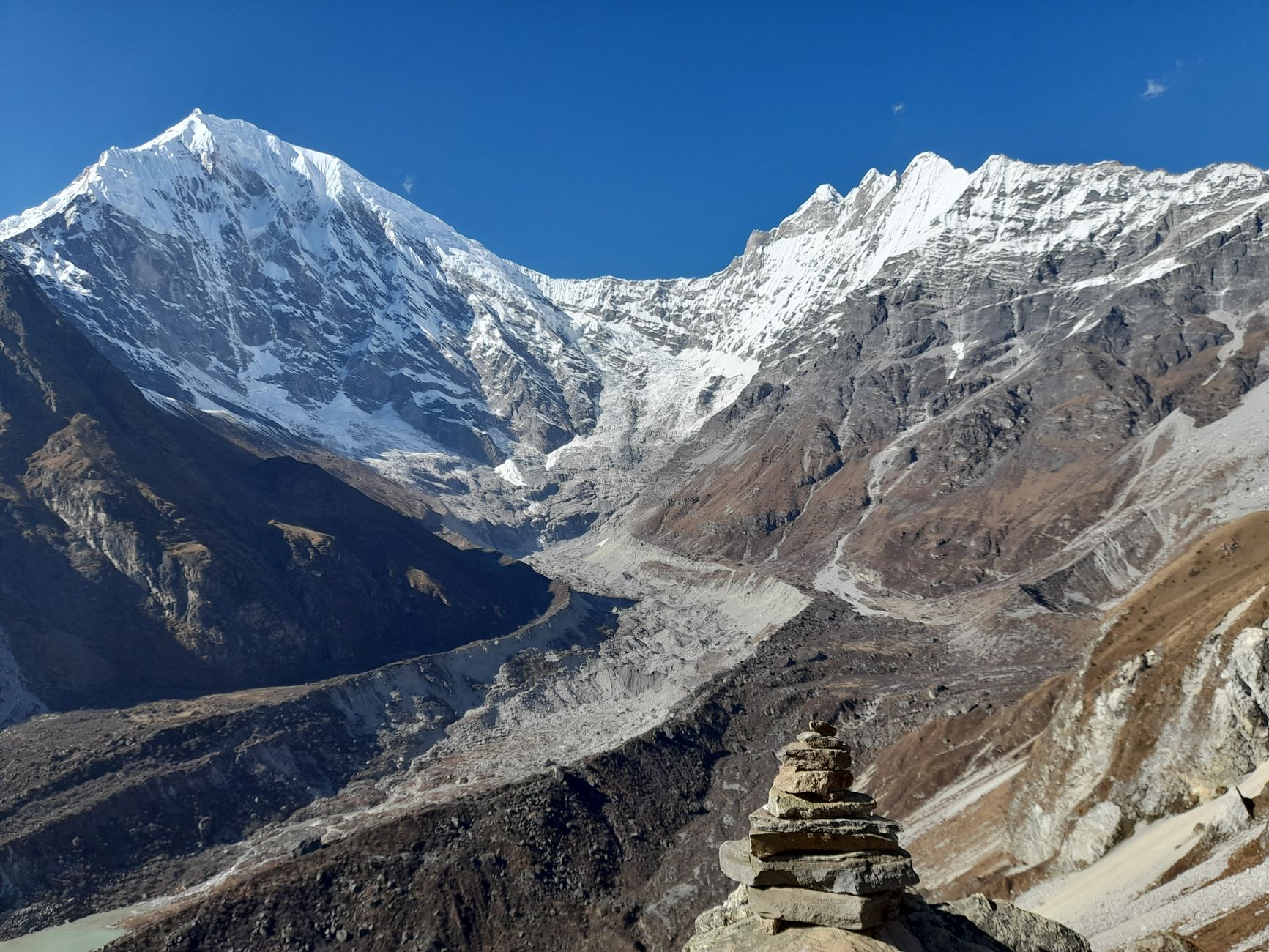
A devastating rock and glacier collapse in Nepal recently claimed over 1,300 lives and left thousands missing, causing an estimated $5 billion in damages and obliterating communities. New research from World Weather Attribution definitively links this catastrophe to decades of global warming. Record-hot temperatures and thawing permafrost fundamentally weakened the mountain, leading to an unprecedented disintegration of ice and rock. This disaster highlights the urgent need for global climate action to protect vulnerable regions from irreversible environmental shifts.
The recent catastrophic rock and glacier collapse on Langtang Lirung Mountain in Nepal, which claimed over 1,300 lives and caused an estimated $5 billion in damages, was no ordinary event. Scientists now definitively state that decades of global warming directly “preconditioned” the mountain for this deadly disaster. This isn't just bad luck; it's a clear and heartbreaking consequence of our changing climate.
Our planet's rising temperatures have steadily hollowed out ancient ice and thawed the permafrost—the frozen ground that acts like glue, holding high mountain slopes together. This left the mountain increasingly unstable. Before the August disaster, the region experienced record-hot temperatures, along with unusual late-season snowfall that added dangerous meltwater to an already fragile system.
The sheer scale was staggering: an estimated 116 million cubic meters of rock and ice broke away, a volume five times larger than a comparable past event in the region. As burning fossil fuels continue to warm our atmosphere, the freezing line in mountains like the Himalayas pushes higher, heating deeply frozen bedrock. This process allows warm meltwater to seep into cracks, expanding them when it refreezes, eventually leading to catastrophic collapses as gravity takes over.
This disaster underscores “fundamental, irreversible shifts” happening in the Himalayas, highlighting the urgent need for global climate action. While Nepal faces immense recovery costs that far outstrip available international aid from the climate losses and damage fund, the science is clear: reducing global emissions by embracing electrification and sustainable solutions is paramount. Protecting lives and livelihoods from such climate-driven events demands our collective commitment to a cleaner, more stable future, and requires continually rethinking how we prepare for these escalating hazards.