Climate's Missing Voice: How Indigenous Leaders Are Getting Funded.

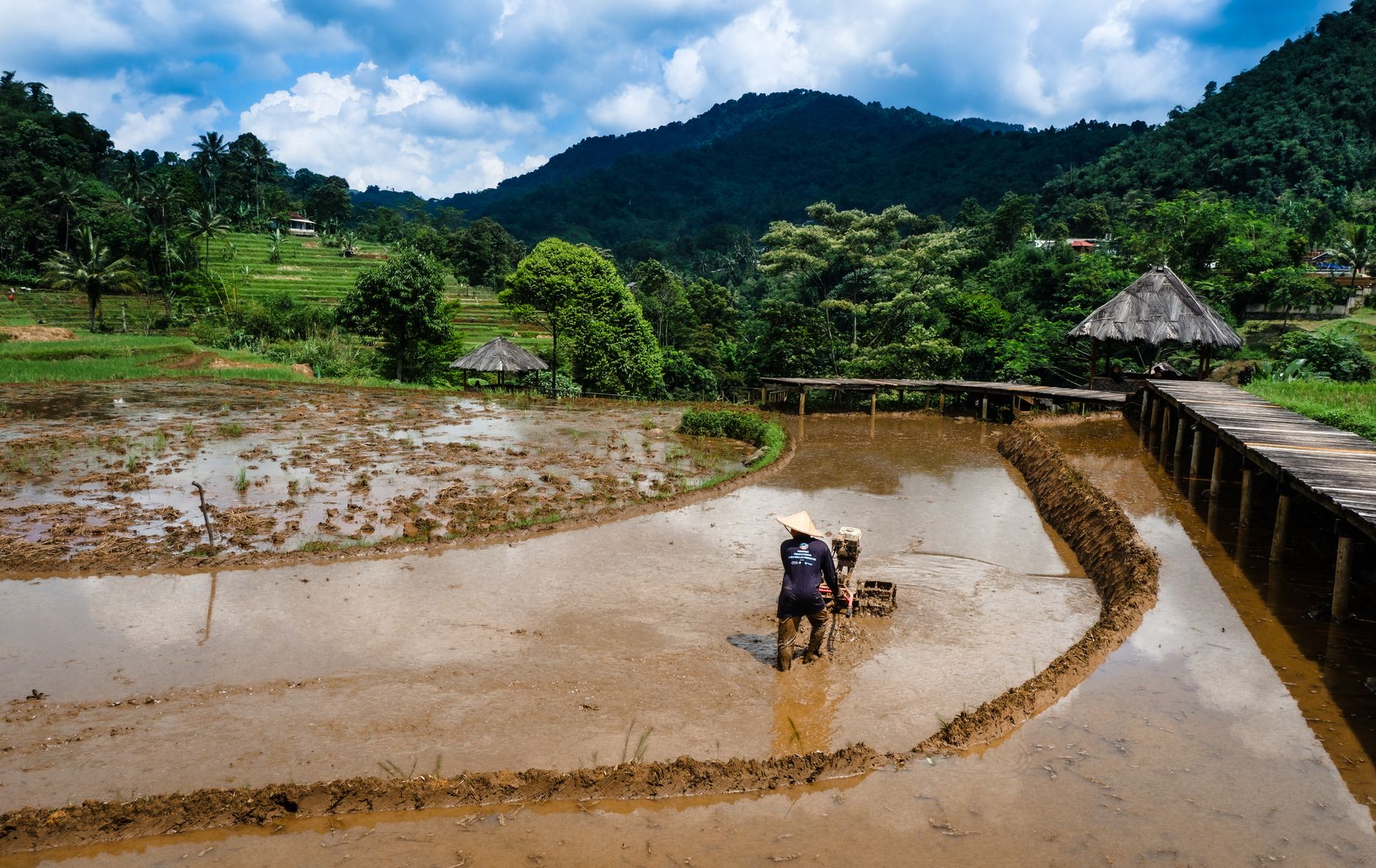
The Indigenous Earth Fund, an initiative by the Decolonizing Wealth Project, recently announced $1 million in funding for Indigenous-led climate solutions. This vital support will empower groups working on projects like salmon restoration and climate-resilient farming, highlighting the urgent need for local, sustainable action. Unlike traditional philanthropy, this fund trusts Indigenous advisors to direct resources, recognizing their unique connection to the land and generations of ecological wisdom. This approach ensures that funding reaches those on the front lines, accelerating progress toward a healthier planet and a more equitable future, as the Decolonizing Wealth Project announced.
Traditional funding systems often fail to reach those who need it most, especially Indigenous communities with vital climate solutions. Edgar Villanueva, founder of the Decolonizing Wealth Project, highlights how conventional philanthropy, despite its vast resources, often overlooks the deep, generational wisdom Indigenous peoples hold about stewarding land and water. This means many effective, local environmental efforts struggle to secure the support they desperately need.
That's where the Indigenous Earth Fund steps in, recently distributing $1 million to groups restoring salmon, promoting climate-resilient ranching, and protecting sacred sites. Unlike typical models, decisions on funding strategy and recipients are made by Indigenous leaders themselves. This ensures resources go directly to those on the front lines, recognizing their unique cultural and spiritual connection to the environment and their proven track record in caring for the planet.
This approach champions "reparative philanthropy," which means moving money back to communities and embracing an Indigenous worldview of abundance and sharing. Through their "Liberated Capital" community, individuals can contribute what they can, joining a collective effort that has already redirected millions. This collective action is crucial for facing the climate crisis, as it not only supports essential environmental projects but also empowers the very communities best equipped to guide us toward a sustainable and equitable future.