Climate Science Evolves: What it means for your community's future

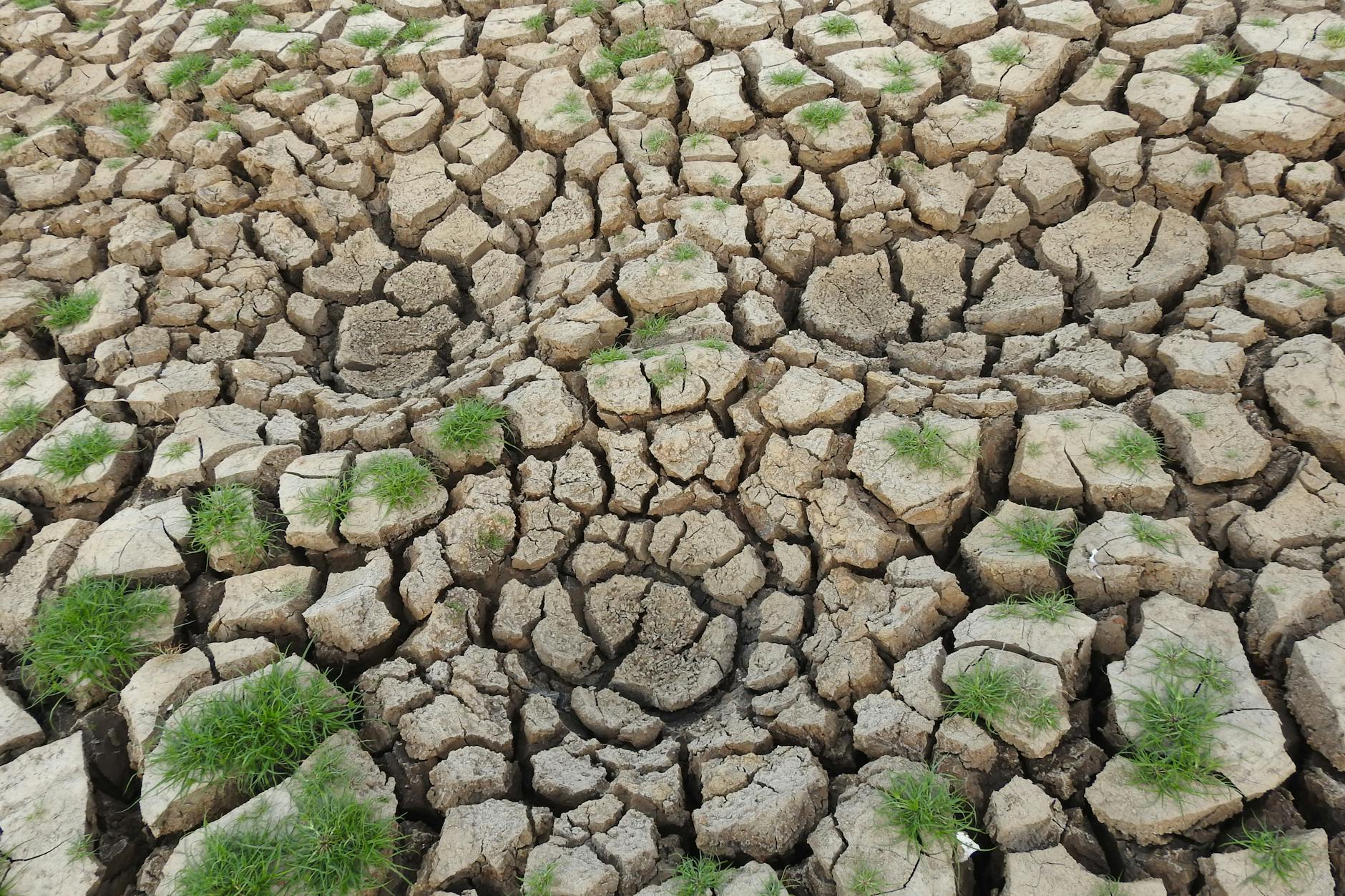
A new report from the U.S.'s leading science panel confirms a major shift in climate attribution science. Scientists are no longer just asking if human-caused global warming drives extreme events like heat waves and floods, but how severe future impacts will become as these events increasingly overlap. This evolution underscores the urgency of addressing climate change, as clearer links between human activity and devastating weather help communities prepare and adapt. Understanding these connections is vital for protecting lives and livelihoods in a warming world.
The United States’ most influential science advisory panel has released an assessment highlighting how climate attribution science has advanced. The focus is now on understanding the severity of future impacts as extreme weather events, such as heat waves, floods, and wildfires, increasingly occur simultaneously or in close succession across various regions.
This trend challenges older research methods that sought a single climate fingerprint for isolated events. However, improved climate models, better data, and a more complete historical record have greatly increased confidence in linking human-caused warming to events like extreme heat, heavy rainfall, and wildfire weather. For instance, Recent research shows some recent heat waves would have been impossible without human activity.
Scientists determine global warming's influence by comparing an event's intensity and likelihood in our current climate with models of a world without human-caused emissions. This robust approach helps us understand how much human activity 'loads the dice' for more intense or frequent extreme weather.
Attribution science is becoming an essential tool for practical applications. It helps improve public understanding by connecting global climate change to local experiences and provides critical information for governments and businesses to understand emerging risks. This allows for better disaster planning, recovery efforts, and informed decision-making to manage climate risks. The latest extreme weather attribution report emphasizes that this research can directly support adaptation and preparedness, protecting communities from the escalating consequences of a warming planet.
Advances in modeling, combined with real-world observations, mean that research groups can now more easily compare and verify findings. This robust methodology has matured attribution science significantly, allowing for more confident assessments of how human-caused warming influences extreme weather systems, including tropical storms and wildfires. While attributing individual fire behavior remains complex, scientists are highly confident in linking the hotter, drier weather that fuels large wildfires to climate change. This improved understanding is crucial for anticipating the cascading impacts of such disasters, like smoke pollution and landslides.
The field continues to evolve, with new approaches combining models and advanced AI suggesting it may soon be possible to attribute highly localized hazards, such as severe thunderstorms, with greater accuracy. This ongoing progress in attribution science moves us closer to more effective early warning systems and comprehensive climate risk management strategies.