Climate Target Breached: What One Nation Now Prepares For?

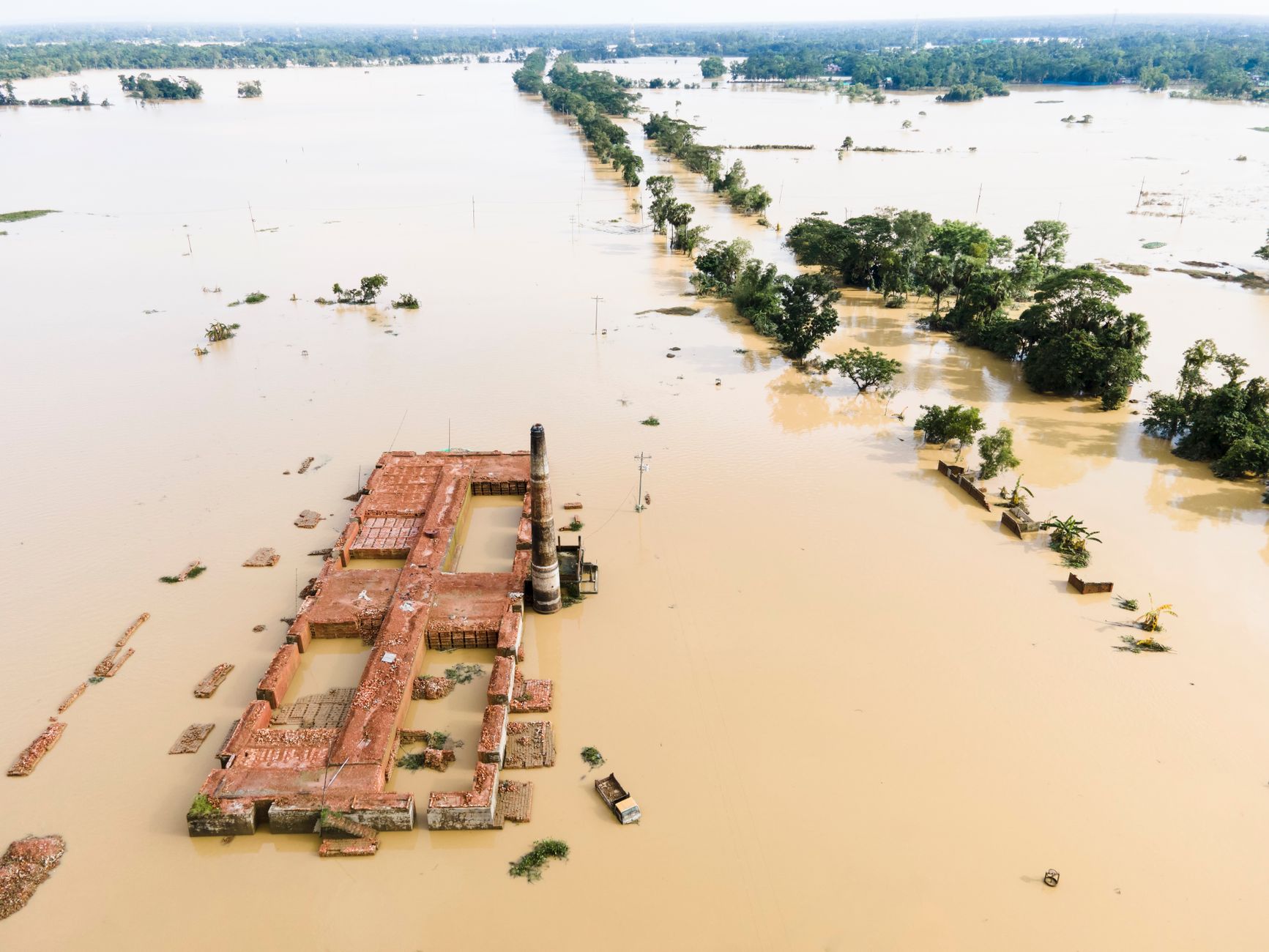
Global efforts to combat climate change are accelerating, with new rules strengthening carbon markets and promoting cleaner technologies like low-carbon ammonia and renewable fertilizers. Simultaneously, a stark warning from the UN Environment Programme confirms the world is already exceeding the critical 1.5°C warming limit, intensifying the need for immediate mitigation and adaptation. This comes as Nepal demands financial justice from major emitters following a devastating glacial flood, highlighting the growing legal obligations for climate accountability. As nations prepare for a hotter future, integrating sustainable solutions and collective action becomes paramount.
Carbon credit markets are gaining new momentum as the UNFCCC Methodological Expert Panel (MEP) meets to solidify rules for Article 6.4. Discussions cover innovative methodologies for clean cooking, low-carbon ammonia production, carbon removal, and renewable fertilizers, along with crucial aspects like reversal risk and market credibility. These advancements are vital for ensuring that global climate actions are robust and accurately accounted for.
Adding to this progress, leading environmental standards organizations, Verra and Gold Standard, have launched a joint tool to streamline “corresponding adjustments” under Article 6.2 of the Paris Agreement. This system helps countries accurately report carbon credits, preventing double counting of emissions reductions and bolstering the transparency and integrity of global carbon markets.
Meanwhile, Nepal has intensified its global call for climate justice and financial compensation from major emitters following a tragic glacial flood in Bhotekoshi. The country's Foreign Minister emphasized that vulnerable nations are “paying the price” for emissions caused elsewhere, strengthening the debate on climate accountability. This demand is underscored by satellite images from geophysicist Manoochehr Shirzaei, published in Nature, which showed concerning signs of glacial instability prior to the disaster. This plea aligns with the UN General Assembly's endorsement of the International Court of Justice's opinion that the climate crisis imposes legal obligations on states, paving the way for potential reparations.
A new report from the UN Environment Programme (UNEP) delivers a sobering warning: the world is already entering a period of exceeding the 1.5°C global warming limit. The report stresses the urgent need for combined strategies of mitigation, adaptation, and carbon removal to reduce risks and eventually return below this critical threshold. Every additional fraction of warming intensifies impacts and brings us closer to irreversible tipping points. This aligns with earlier insights, such as CarbonCreditMarkets.com's 2024 analysis detailing France's preparations for a potential +4°C warming scenario by 2100, underscoring that preparing for a hotter world is now a vital necessity.
In further moves towards sustainability, the UNFCCC is consulting on a new methodology under Article 6.4 for partially replacing fossil fuels with urban solid waste in cement manufacturing. This innovative approach highlights the growing potential for integrating circular economy principles into major industrial processes. Additionally, research into energy innovation continues to advance, with the RCGI-USP hosting a conference on the geopolitics of energy transition, and Giulio Boccaletti's book, "The Environmental Republic," drawing attention to the balance between individual liberty and collective responsibility in environmental governance, as explored in his Project Syndicate article.