Climate Warning: World Nears Point of No Return [Report]

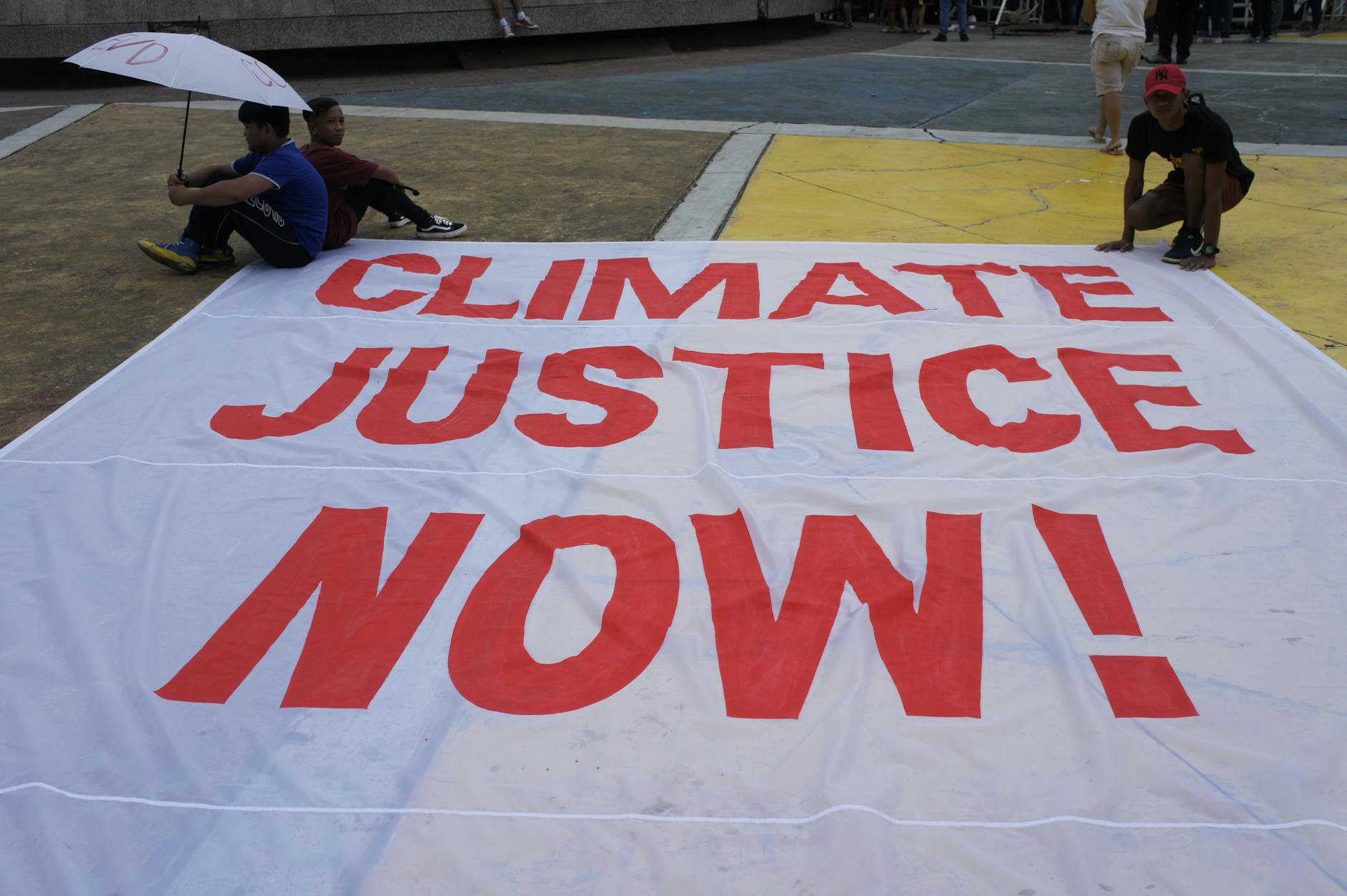
The Climate Action Tracker (CAT) initiative has delivered a stark warning from COP31 climate talks in Turkey: the world is on track for a dangerous 2.7°C warming by 2100, risking an "irrecoverable overshoot" of safe limits. Despite impressive gains in clean energy like record renewable deployment and electric vehicle growth, collective climate action has stalled for five years. This lack of momentum, coupled with ongoing fossil fuel demand and infrastructure, continues to drive emissions higher. Experts emphasize that urgent, accelerated efforts to transition away from fossil fuels are crucial to limit the severe consequences of global warming and safeguard our planet's future.
The latest report from the Climate Action Tracker (CAT) initiative makes it clear: our planet faces a critical juncture. Even with remarkable strides in renewable energy, such as clean electricity meeting all new global power demand in 2025 and booming electric vehicle sales, these efforts are not enough to counter the rising energy appetite and new fossil fuel projects. This continued reliance on burning fossil fuels for our power, transport, heating, and industry is the main driver behind rising greenhouse gas emissions, pushing us closer to dangerous warming levels.
Current government policies put the world on a path to a devastating 2.7°C increase in temperature by the end of the century. This figure is slightly up from last year and remains far above the 1.5°C target set by the Paris Agreement. Even if countries meet all their promised targets, warming would still hit 1.9°C, confirming that we are set to exceed the critical 1.5°C threshold within the next few years.
Bill Hare, CEO of Climate Analytics, a CAT partner organization, stresses the urgency. He argues that governments must choose between supporting a fossil fuel industry that guarantees "insurmountable economic damages" and catastrophic health impacts, or embracing readily available and more affordable clean energy solutions. Every fraction of a degree warming above 1.5°C means significantly worse consequences for our climate, natural world, and human communities. It's vital that we accelerate our actions now to limit the extent and duration of this overshoot, protecting both people and the planet.