Coal Mines Claim Drastic Methane Cuts. Scientists Ask: How?

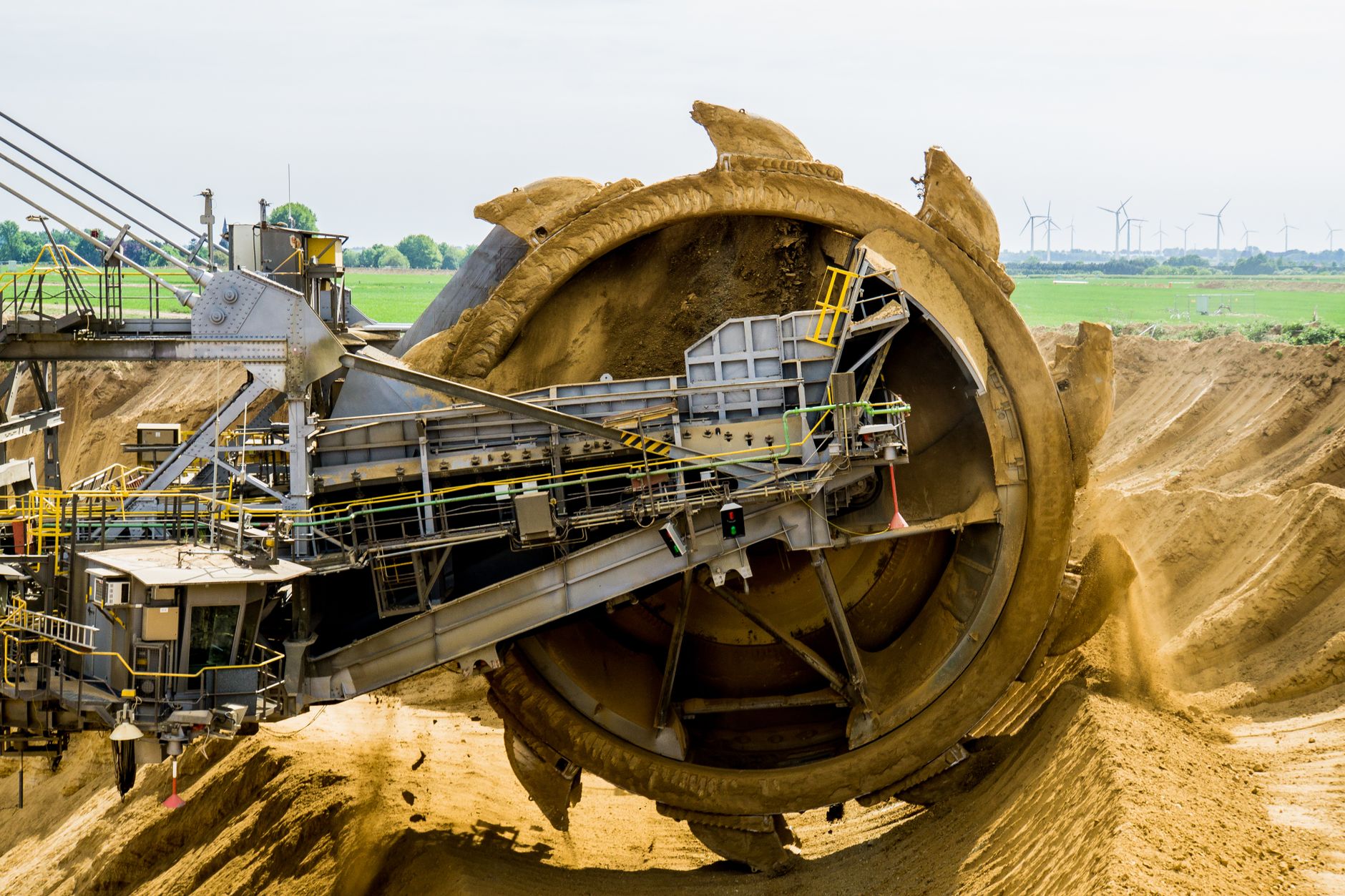
The reported methane emissions from Europe's largest open-pit coal mines have plummeted dramatically, but scientists are sounding the alarm, questioning the accuracy of these new figures. Experts believe a change in the EU's measurement guidelines allows mines to calculate their own emissions, potentially enabling them to vastly undercount a powerful greenhouse gas. This situation is critical because inaccurate data could mislead global efforts to combat climate change and slow down urgent action needed to protect our planet.
Jaroslaw Necki, a leading expert from Krakow’s Mining and Metallurgical Academy, finds these recent reports unbelievable. He points to new EU rules designed to track and reduce methane, a potent greenhouse gas that significantly contributes to global warming. The problem? A small change in how "emissions factors" are calculated now lets open-pit mine operators essentially grade their own homework.
Previously, mines used national formulas, but now they establish their own factors based on site-specific tests. The catch? There are no clear guidelines for these tests, leading to massive reported reductions—like a 99% drop in Poland’s largest lignite mines or 91% in the Czech Republic. These numbers are so large they can't be explained by simple production cuts, fueling concerns that "wrong techniques are being intentionally applied to benefit coal mines – not the environment," as Necki states.
Scientists criticize the new methods, like taking soil samples from exposed coal that has already released much of its methane into the air. This is like trying to measure carbon dioxide in an opened soda bottle; the gas is already gone. Accurate measurement, like taking deep borehole samples, is crucial for understanding the true environmental impact. Australia’s similar experience, where site-specific testing led to significantly underreported emissions, serves as a stark warning.
The European Commission acknowledges that national authorities are responsible for enforcement, and while the EU Methane Regulation is vital, the lack of robust guidelines for surface mines creates a loophole. This issue is urgent. Without clear, transparent, and independently audited measurement standards, the EU's pledge to cut methane emissions by 30% could be undermined, jeopardizing our collective fight against global warming and hindering the transition to truly sustainable energy solutions. We must ensure that environmental action is based on truth, not skewed data.