Coastal Crisis? Florida Unveils Surprising Solutions

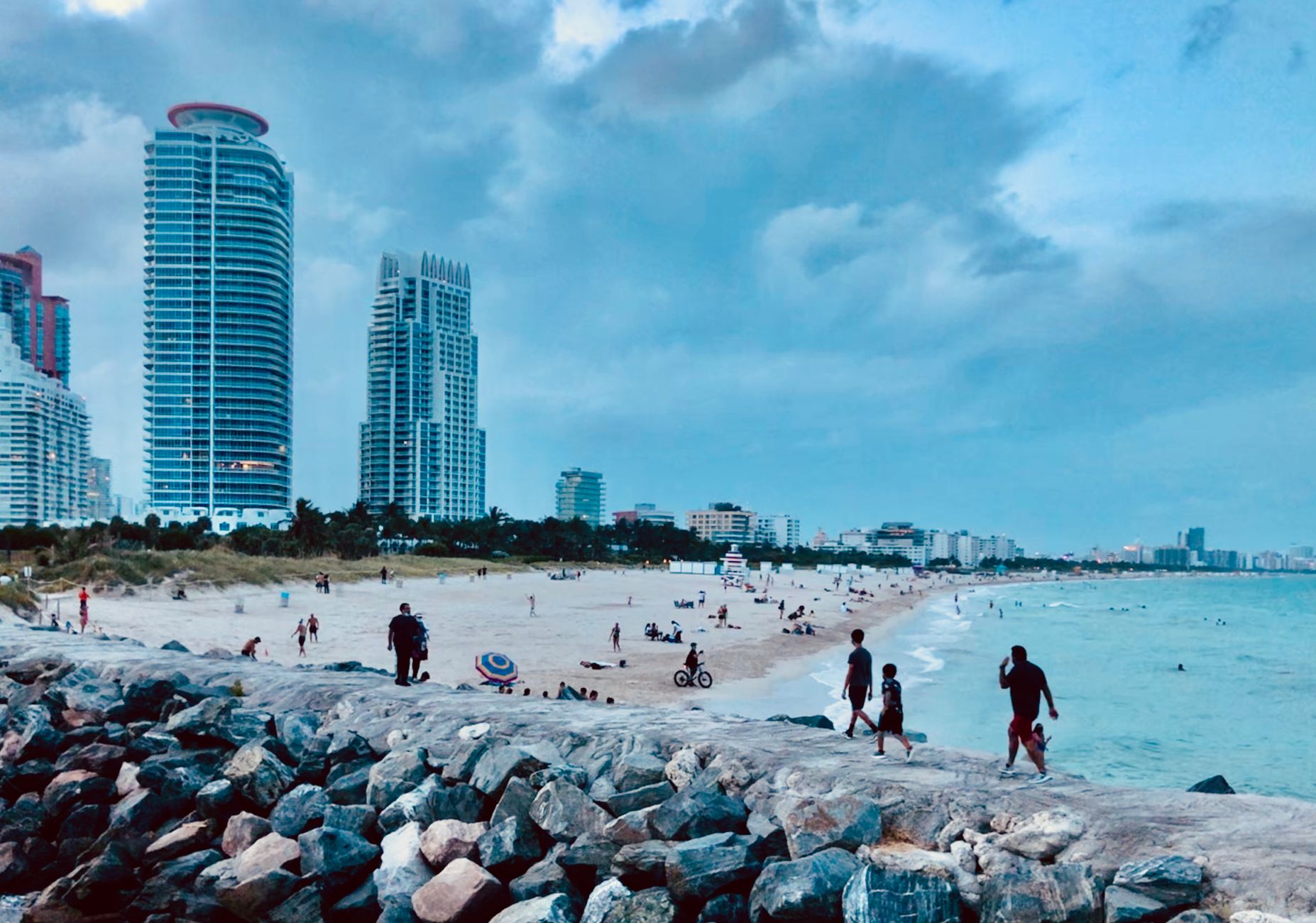
As climate change fuels rising sea levels and more intense storms, coastal communities globally face unprecedented threats. Florida, no stranger to these challenges, is emerging as a vital testing ground for innovative adaptation strategies. From cutting-edge "living seawalls" that double as marine habitats to resilient, elevated housing, the state is rethinking urban design. These pioneering efforts offer crucial lessons for cities worldwide striving to protect populations and infrastructure against a rapidly changing environment. The urgency of adopting sustainable solutions has never been clearer.
The memory of Hurricane Andrew ripping off his childhood home’s roof 34 years ago profoundly shaped Jeffrey Huber, now a landscape architect and professor. That devastating Category 5 storm taught him the critical need to design communities that can withstand, and live with, extreme weather. This urgent challenge is now faced by nearly 40% of the U.S. population living in coastal areas, as human-caused climate change intensifies storms and drives sea levels higher, leading to more frequent and extreme flooding worldwide.
Florida is stepping up as a crucial testbed, showing how to build and adapt for a future defined by rising waters and worsening storms. Instead of fighting the inevitable, experts like Huber advocate learning "how we live on, with and over" water. One remarkable innovation comes from Kind Designs, which creates 3D-printed "living seawalls." These affordable structures mimic natural marine habitats like mangrove roots, providing homes for species such as oysters and tubeworms that help clean the water. Crucially, they also dissipate wave energy, making shorelines more resilient against erosion and flooding.
Beyond seawalls, new residential buildings are also integrating resilience. The Vista Breeze affordable senior housing project in Miami Beach, for example, is elevated 10 feet and uses special waterproof concrete and zinc-coated rebar to protect against storms and corrosion. These simple, cost-effective measures significantly extend a building's lifespan. Furthermore, thoughtful urban design, like Fort Lauderdale’s DC Alexander Park, transforms former parking lots into public spaces with native maritime forests that absorb rainfall and provide vital habitats.
Such projects embody Huber’s "Salty Urbanism" research, proving that adapting cities to extreme scenarios like significant sea level rise is not just necessary, but possible. While securing funding and broad community support for these large-scale changes remains a hurdle, proposals like The Coastline master plan show the potential for massive returns on investment. Experts are also pushing for multi-functional infrastructure, where roads manage stormwater and reduce urban heat, and developing "sponge parks" to absorb rainfall. Florida’s focused approach offers invaluable, replicable lessons for coastal cities globally as we confront the realities of a warming planet.