Coastal LA's Unexpected Summer Reality: What Has Changed?

For decades, coastal communities in Los Angeles enjoyed cool ocean breezes, making air conditioning seem like an unnecessary luxury. However, the summer of 2026 marked a critical shift, as unprecedented heat waves and humidity pushed residents to their limits. Global warming has transformed these once-temperate areas, turning A/C into an essential tool for survival and highlighting the urgent need for adaptation. This drastic change underscores how quickly our climate is evolving, directly impacting daily life and health for millions.
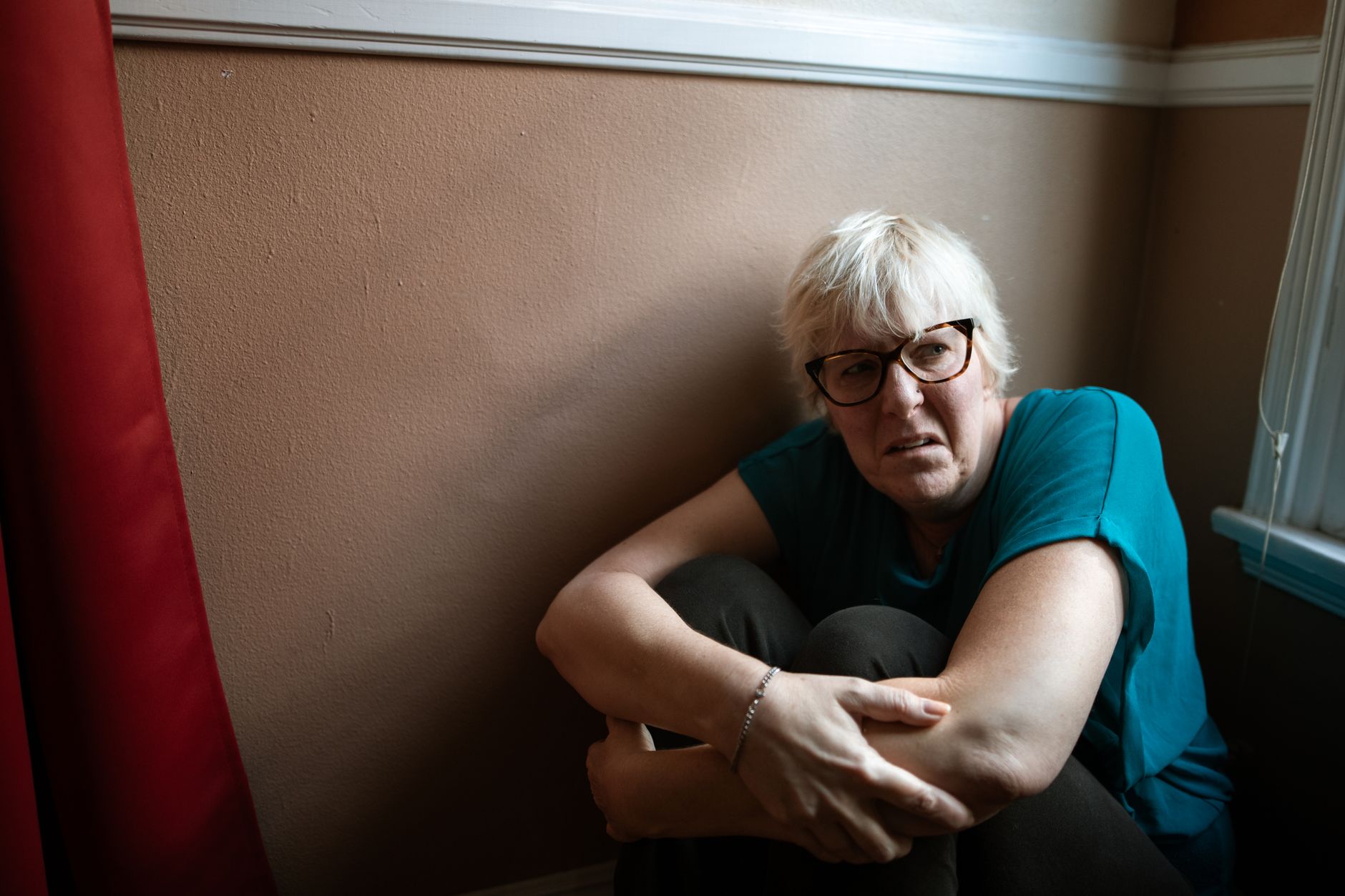
Longtime Santa Monica resident Lori Woods, who once relied on ocean breezes, found herself trapped in a sweltering apartment, running a portable A/C unit around the clock to avoid illness. Her experience reflects a growing challenge across coastal L.A. neighborhoods, where residents are struggling with heat that offers no relief, even at night. This isn't just about comfort; it's a serious health concern, especially for vulnerable individuals like Woods, who overheats easily. Many are now realizing that the casual approach to summer heat is no longer sustainable.
Experts like UC San Diego environmental epidemiologist Tarik Benmarhnia warn that extreme heat is a leading cause of death globally and in the U.S., worsening conditions like cardiovascular disease and diabetes. California's average temperatures have been steadily climbing for decades, with the latest climate forecast predicting a further 4-degree Fahrenheit increase by mid-century. Record-breaking temperatures at LAX this year, coupled with unusual humidity and a declining marine layer—the natural cloud cover that once shielded the coast—paint a clear picture: human-made emissions are driving these profound changes, making coastal California increasingly vulnerable. This urgent situation calls for collective climate action to mitigate future warming.
While individual efforts like portable A/C units help, the scale of the problem demands broader solutions. Los Angeles County has already passed an ordinance requiring landlords in unincorporated areas to keep rentals below 82 degrees Fahrenheit, with enforcement starting in 2027. However, similar legislation for Los Angeles city is stalled, awaiting crucial reports on implementation and the electrical grid’s capacity. Councilmember Eunisses Hernandez emphasizes that cooling should be a basic right, akin to heating, given the dangerous health risks. While A/C is part of the immediate fix, Benmarhnia suggests more structural changes are needed, including potential subsidies to ensure everyone can afford to stay cool and safe as our planet warms.