Coastal NC: What's Flooding Roads Even on Sunny Days?

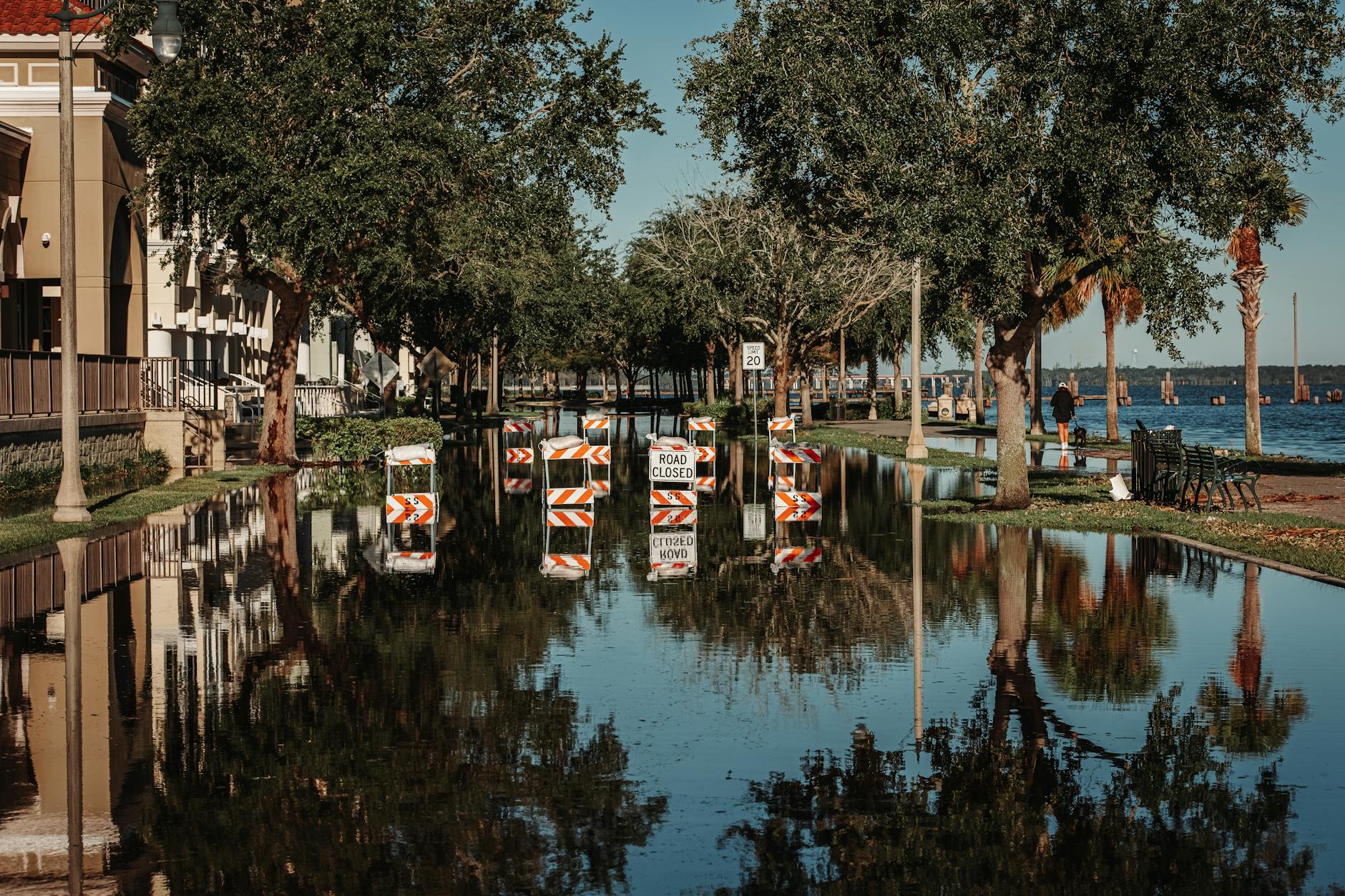
Coastal towns across North Carolina, including Beaufort and Carolina Beach, are facing a growing challenge: frequent flooding even when the skies are clear. This isn't just about rain anymore; rising global sea levels mean that normal tides now push ocean water higher than infrastructure can handle. This persistent "sunny day flooding" disrupts daily life, forcing residents to miss work, school, and vital appointments. It’s a stark reminder of the urgent need for action as climate change continues to reshape our environments.
In places like North Carolina's beautiful coast, the water is becoming a constant presence, even without a single cloud in the sky. Experts like Miyuki Hino from the University of North Carolina at Chapel Hill explain that our regular tides and ocean changes are now occurring on top of higher average sea levels. This means the water often overwhelms local infrastructure, leaving roads submerged and vital stormwater systems unable to cope.
Imagine needing to reroute your daily commute or skip a doctor's visit because a road is impassable, not just once in a while, but 50, 60, or even 100 days a year. This isn't a minor inconvenience; it significantly impacts people's lives and livelihoods. The frequency of these events makes it clear that this isn't just bad weather; it's a symptom of a larger environmental shift.
To help communities adapt, Hino's team is actively working with residents. They install sensors and cameras to track flooding in real-time, sharing this crucial data so people can plan their routes and stay safe. Beyond immediate solutions, researchers are using this information to develop long-term strategies, such as improved water pumps and seawalls. These efforts underscore the critical importance of understanding and addressing the effects of climate change through sustainable and proactive measures, protecting both our communities and the precious coastal environment for the future.