Colorado River Crisis Deepens: A Legal Showdown Looms [Water Data]

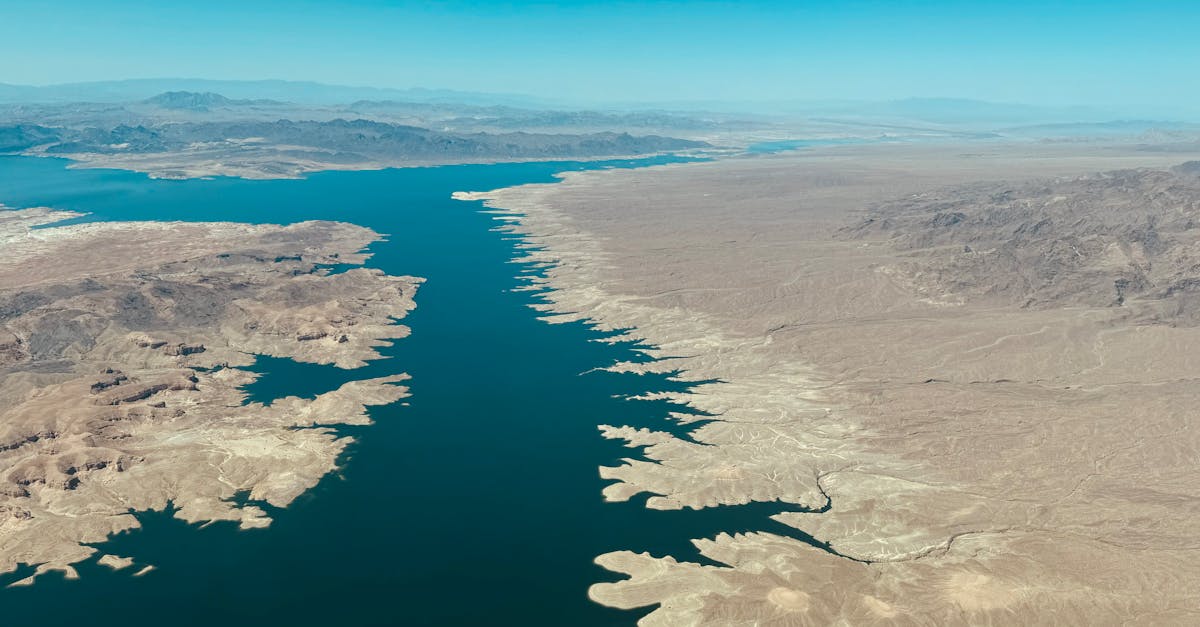
The Colorado River, a vital water source for the American Southwest, is facing an unprecedented crisis with its major reservoirs at record low levels. This severe water scarcity, intensified by climate change, has led to a major dispute between the Trump administration and Arizona over proposed water cutbacks. Arizona is now warning it may sue the federal government, arguing that the plan for drastic reductions ignores a century-old water compact and could severely harm the state. This legal battle could complicate urgent efforts to secure a sustainable future for the river and the millions who depend on it.
Arizona is pushing back hard against the federal government's new plan for managing the shrinking Colorado River, even threatening a lawsuit. The state's leaders are concerned that mandatory water cutbacks would be "catastrophic" and unfairly target Arizona, potentially leading to widespread harm. This legal showdown could land before the U.S. Supreme Court, making it even harder for the seven Western states to agree on how to share the river's increasingly scarce water.
At the heart of the conflict is the Trump administration’s ten-year plan, which Arizona says ignores the 1922 Colorado River Compact—the original agreement dividing the river's water. This plan, outlined in a recent letter from Arizona officials letter, allows for drastic cuts if needed, potentially forcing Arizona, Nevada, and California to reduce their water use by as much as 40%. Arizona faces especially deep cuts because its Central Arizona Project, a canal system serving Phoenix and Tucson, has lower priority water rights. Experts believe Arizona is on a "razor's edge," risking significant economic and social disruption if these cuts proceed unchallenged.
This unfolding crisis is a stark reminder of our changing climate. Relentless drought, made worse by a warming climate intensified by climate change, has severely depleted the Colorado River's flow and left its massive reservoirs, like Lake Mead and Lake Powell, at record low levels. Scientists have clearly linked higher temperatures higher temperatures to a significant decrease in the river's volume, estimating a 9% decrease for every 1.8 degrees Fahrenheit of warming decrease about 9%. This underscores the urgent need for sustainable water management, as the century-old compact simply doesn't fit the reality of today's much drier river.
The Colorado River is a lifeline for about 35 million people and 5 million acres of farmland, from the Rocky Mountains to Mexico. About three-quarters of its water is used for agriculture used for agriculture, highlighting where much of the consumption occurs. This situation underlines the critical importance of rethinking how we manage our precious natural resources in the face of climate change. Moving forward requires not just legal battles but a collaborative commitment to new, flexible solutions that match the river's actual capacity, ensuring a resilient future for everyone in the region.