Colorado River Crisis Deepens: What Record Lows Mean for Millions

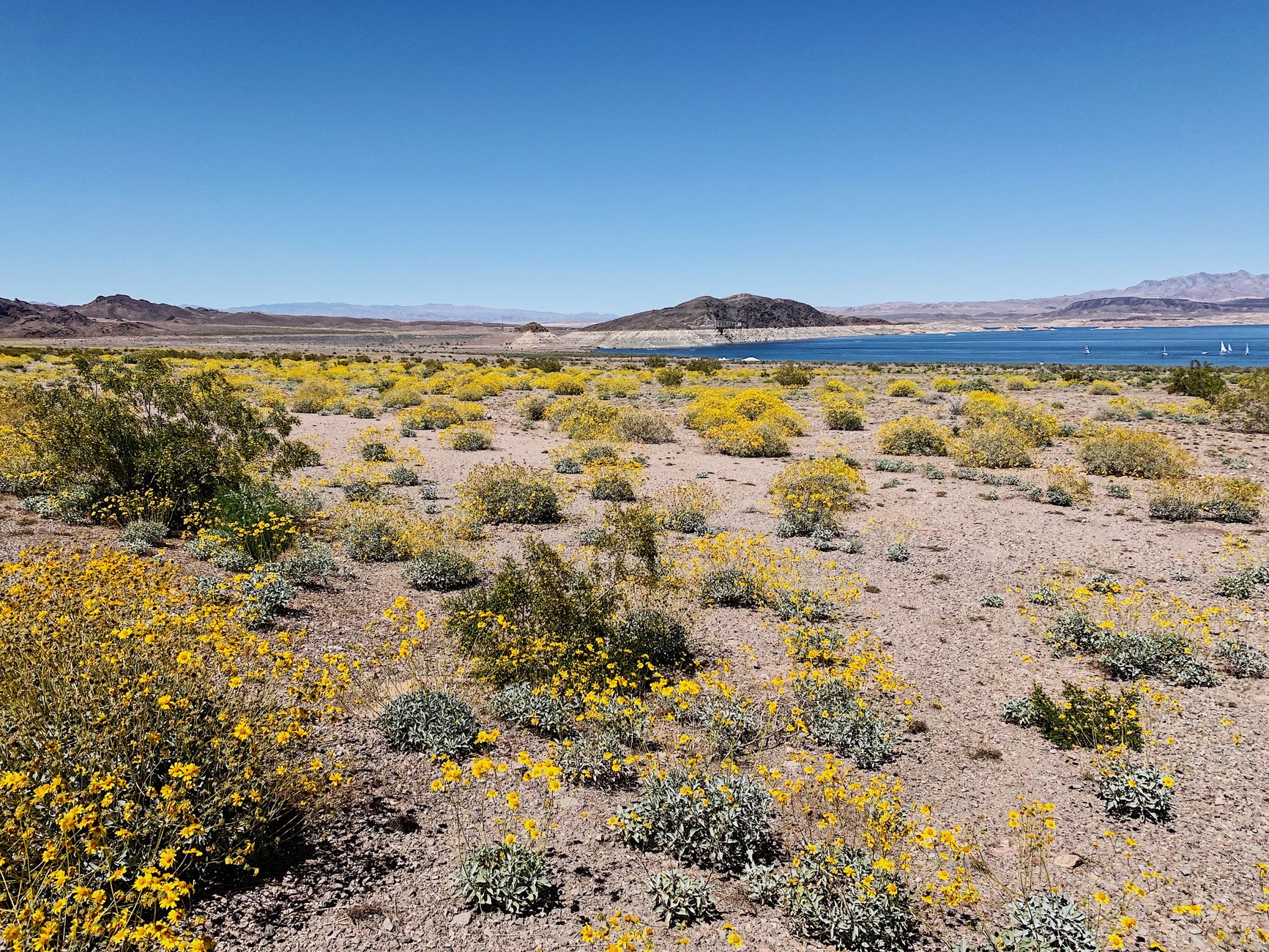
The two largest reservoirs in the United States, Lake Mead and Lake Powell, have reached their lowest combined levels ever recorded, signaling a deepening water crisis for seven states in the American Southwest. This grim milestone underscores the urgent need for action, as the Colorado River, a vital source for 35 million people and vast farmlands, continues to shrink. Experts warn that global warming is intensifying these extremely dry conditions, demanding significant changes in how we manage this precious resource to prevent further environmental devastation.
Lake Mead and Lake Powell, critical water sources for the American Southwest, have now hit their lowest combined levels ever recorded. This alarming development deepens an already severe water crisis for the seven states relying on the Colorado River. As Jack Schmidt, director of Utah State University’s Center for Colorado River Studies, put it, "It’s a hell of a milestone," serving as a stark reminder of the crisis's gravity. Lake Mead is only 27% full, and Lake Powell lags even further at 23% capacity, posing a direct threat to its ability to generate clean hydroelectric power if levels drop just a bit more.
This dire situation isn't just a temporary dip; researchers highlight that global warming is intensifying the extremely dry conditions, causing the river to shrink dramatically over the past 27 years. Since 2020, the Colorado River's flow has dropped by an average of 32% compared to the last century, with this year seeing the least snow on record in its crucial upper watershed. This long-term trend, exacerbated by climate change, means the river that once supported lush wetlands now seldom reaches the sea in Mexico, its delta shriveled.
The Colorado River provides water for roughly 35 million people and 5 million acres of farmland across the region. However, a century-old agreement overpromised the river's actual capacity. Now, state leaders are struggling to agree on how to cut water use, with downstream states like California, Arizona, and Nevada pitted against upstream states. Federal officials are stepping in, considering significant mandatory cutbacks to compel a resolution, because, as Schmidt warns, "The changes that are going to be necessary to live in this world of reduced runoff are going to be incredibly significant."
While Southern California cities have made efforts to reduce reliance on the Colorado River, and some farmers are being paid to leave fields dry, these measures offer only temporary relief. For instance, leaving water in Lake Mead recently only added about three feet, temporarily staving off critical lows. The challenge ahead demands a unified approach to sustain both communities and ecosystems. Reaching consensus on water-sharing and implementing long-term sustainable solutions is crucial to adapt to a warmer climate and ensure the Colorado River can continue to support life.