Colorado River Faces New Emergency: What Happens Next?

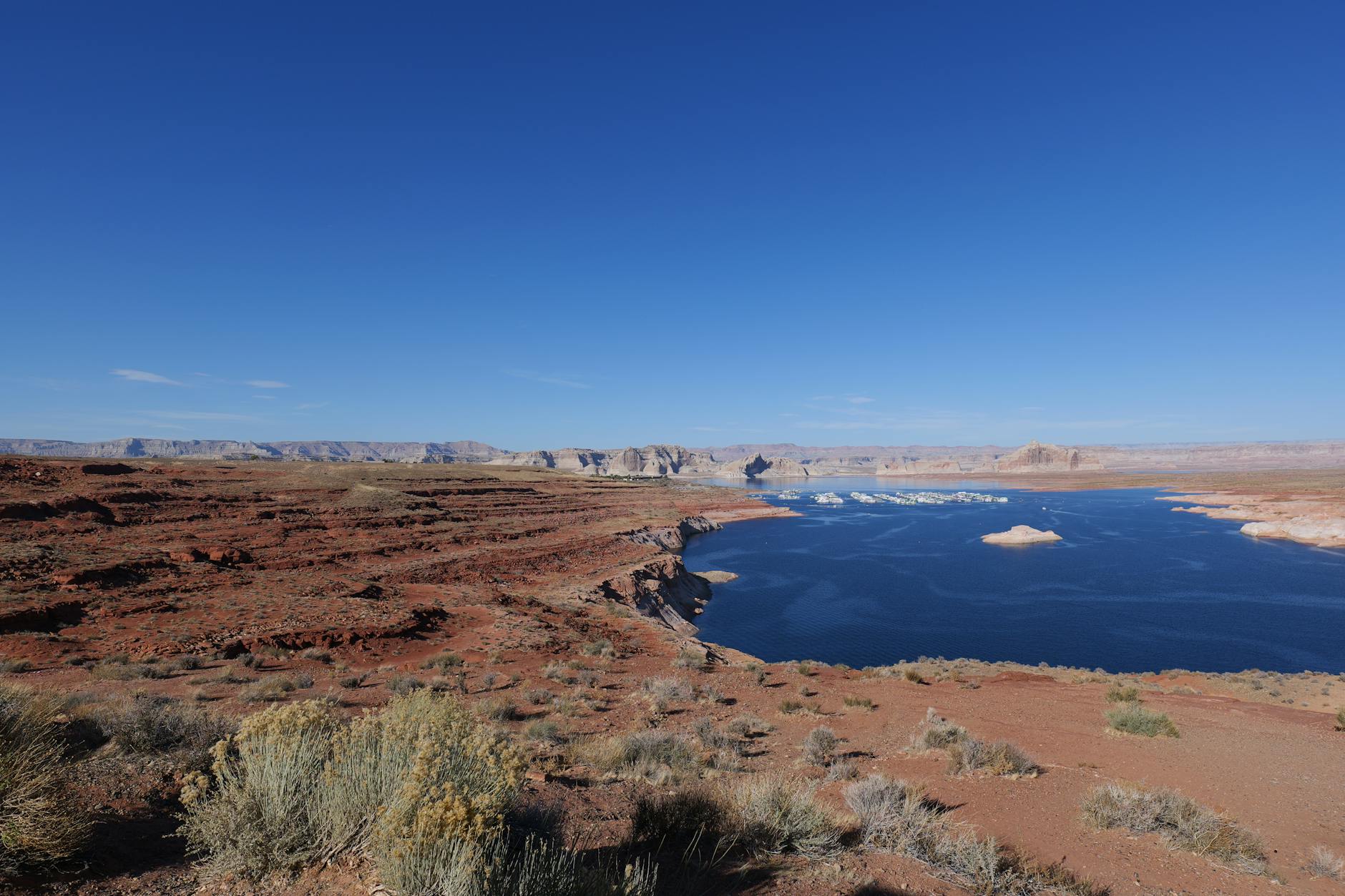
The Colorado River, a critical water source for 35 million people across the Southwest, faces an unprecedented crisis. The Trump administration is implementing emergency measures to prevent disaster at Lake Powell, which is nearing levels too low to generate electricity. This urgent response involves releasing water from Flaming Gorge and reducing flows into Lake Mead, but necessitates significant water cuts for farms and cities in California, Arizona, and Nevada. This one-year solution underscores the intensifying drought conditions, exacerbated by global warming, and highlights the failure of states to agree on long-term sustainability plans for this vital resource.
The Colorado River provides water for about 35 million people and vast farmlands, but it’s in serious trouble. Lake Powell, the nation’s second-largest reservoir, is nearly three-quarters empty, pushing it dangerously close to a point where its dam can no longer generate vital hydropower. To avoid this catastrophe, the federal government is taking emergency action, a move that will have wide-ranging consequences for the region.
Beginning in Wyoming and Utah, significant amounts of water will be released from Flaming Gorge Reservoir into the Green River, a major Colorado River tributary. This water will flow downstream to help boost Lake Powell's levels. At the same time, less water will be allowed to flow from Lake Powell into Lake Mead, near Las Vegas, which supplies Southern California, Nevada, and Arizona.
These measures are critical to keep Lake Powell’s turbines spinning, which generate clean electricity for the region. Losing this power source would add another layer of challenge to an already stressed system. However, this intervention means that cities and farms in California, Arizona, and Nevada will face mandatory water cutbacks, impacting everything from daily life to agricultural production in key areas like California's Imperial Valley.
The U.S. Bureau of Reclamation has stated that the river's reservoirs are currently at only 36% of their capacity. This crisis is fueled by a historic drought, intensified this year by the smallest snowpack on record and extreme heat. Research has clearly shown that global warming is intensifying these dry conditions, making the need for sustainable solutions more urgent than ever.
While this federal action offers a crucial, albeit temporary, reprieve for one year, it is not a long-term fix. State negotiations for a sustainable future for the Colorado River have stalled, leaving millions of people and vast ecosystems vulnerable. This situation underscores the urgent need for collective action and thoughtful conservation to protect this vital natural resource against the escalating impacts of climate change.