Colorado River's Future: What New Rules Mean for States

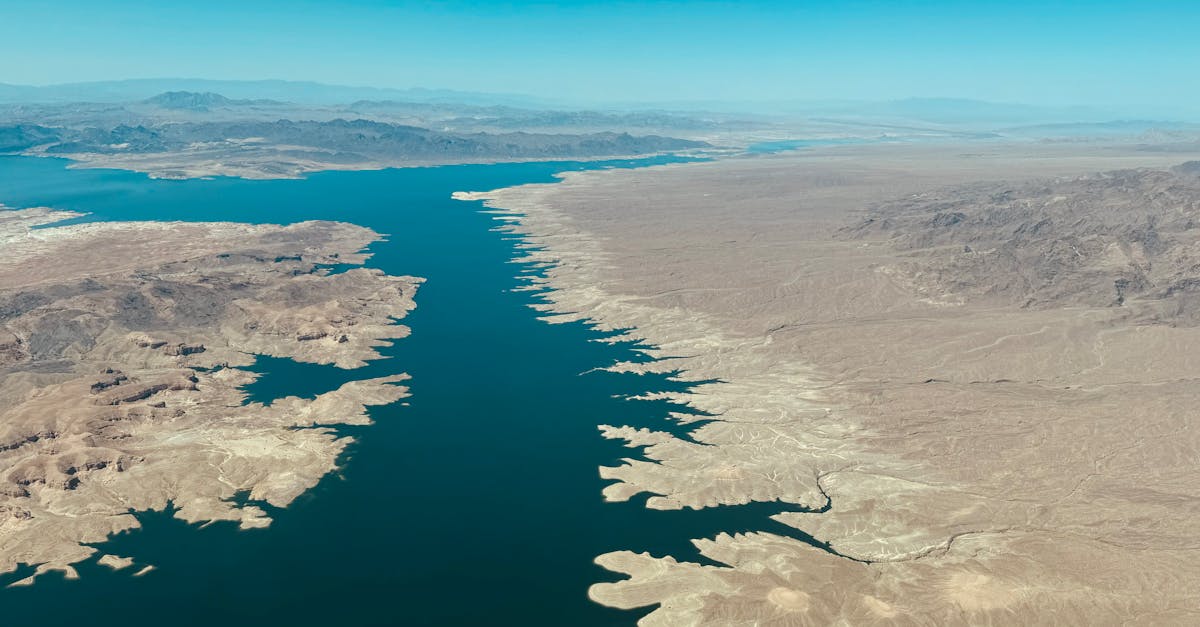
The federal government has finalized controversial new rules for sharing the Colorado River, a vital water source for seven Western states. This decision, impacting states like Arizona and California with significant water cuts, comes as climate-driven drought severely diminishes the river's flow. The urgent need to adapt to a drier future highlights the critical importance of sustainable water management and swift climate action to protect precious natural resources.
The federal government has unveiled its long-awaited plan for how seven Western states will divide the shrinking waters of the Colorado River. This critical decision aims to address the severe challenges posed by a decades-long drought, intensified by climate change, which has significantly reduced the river's levels. The new rules mean difficult adjustments for states, particularly Arizona and California, which face substantial reductions in their anticipated water allotments.
Sharing this essential river has always been complex, but the ongoing climate crisis has pushed the situation to unprecedented levels of contention. The stark reality of less water underscores the urgent need for communities to embrace sustainable practices and rethink water usage. Protecting vital ecosystems and securing a stable water supply for millions requires a collective commitment to environmental stewardship and robust action against global warming. Our future depends on making responsible choices today.