Colorado River's Future: What's Next for Millions?

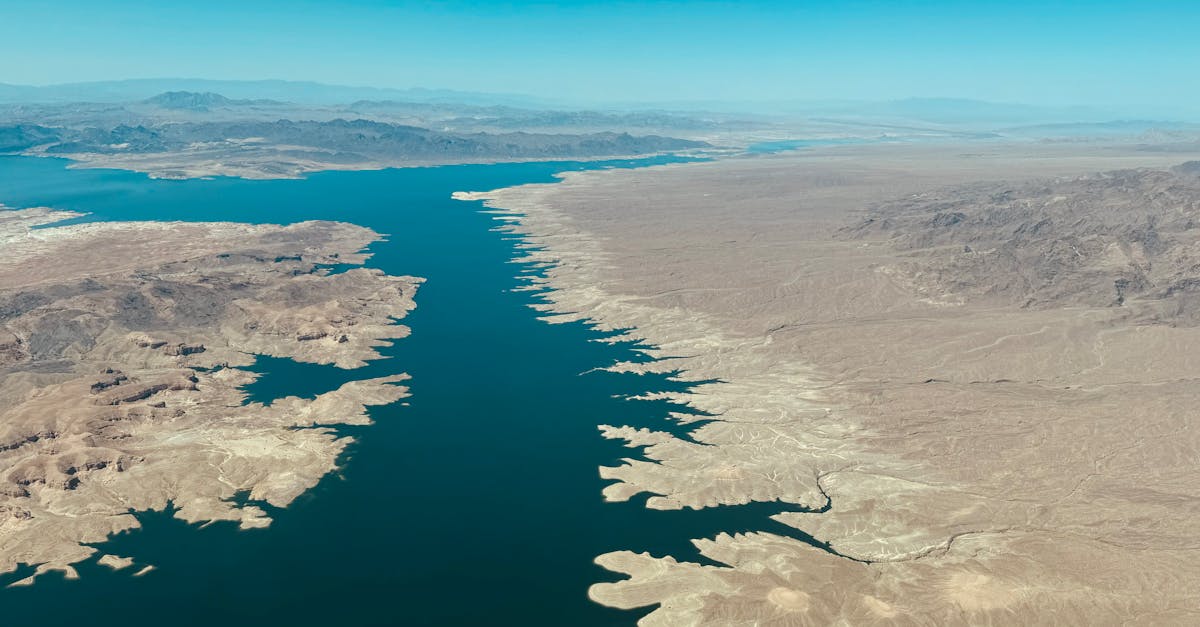
The Trump administration has unveiled its long-awaited 10-year plan to manage the shrinking Colorado River, a vital water source for millions across the American Southwest. This plan allows for significant water cutbacks if conditions worsen, potentially impacting California, Arizona, and Nevada with up to 40% reductions. For the initial two years, however, these states have agreed to voluntary cuts of about half that amount, providing a temporary reprieve. While the administration points to "unprecedented hydrologic conditions," scientists confirm that global warming is a primary cause of the severe and ongoing drought, intensifying the crisis for the already struggling river system.
The Trump administration recently unveiled its new 10-year plan for the Colorado River, aiming to address critical water shortages. This strategy outlines potential harsh water cutbacks for downstream states like California, Arizona, and Nevada, which could face reductions of up to 40% in their combined water allotments. However, for the first two years, these states have temporarily avoided the most severe cuts by agreeing to reduce their water usage by roughly half that amount through the end of 2028. Specifically, California will cut its river water use by about 12%, Arizona by 31%, and Nevada by 28%.
This federal plan comes at a crucial time, as the Colorado River, a lifeforce for seven states and northern Mexico, has dramatically shrunk since 2000. Its major reservoirs, Lake Mead and Lake Powell, have plunged to their lowest combined levels on record, underscoring the severity of the ongoing water crisis. New rules were urgently needed because the old agreements are expiring, and state representatives had repeatedly struggled to reach a consensus.
While the administration's announcement references "unprecedented hydrologic conditions" and "drought conditions," it notably avoids mentioning climate change. Yet, extensive scientific research clearly shows that global warming, fueled by the burning of fossil fuels, is directly intensifying the extreme heat and dryness gripping the region. Scientists have found that roughly half of the river's flow decline over the past decade is due to higher temperatures, and that for each additional 1.8 degrees Fahrenheit the region warms, the river’s average flow is likely to decrease about 9%. This stark reality highlights the immediate need for strong environmental action and a swift transition to sustainable solutions to protect our precious water resources.