Colorado River Shrinks: What’s Behind the Unprecedented Water Cuts?

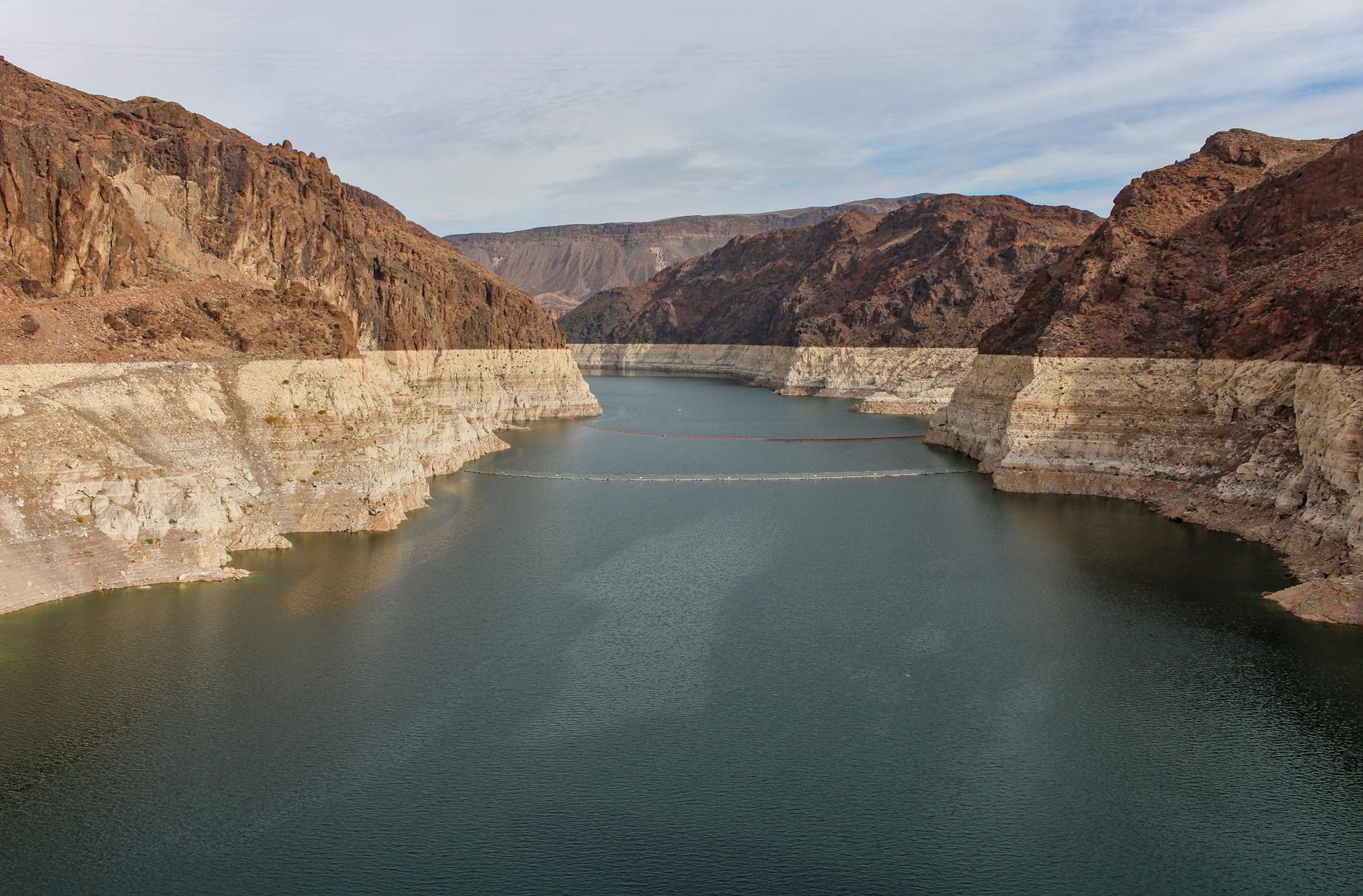
The Colorado River, a vital water source for millions across the American West, has dramatically shrunk, with its two largest reservoirs, Lake Mead and Lake Powell, reaching record low levels. In response, the Trump administration has mandated significant water reductions for California, Arizona, and Nevada. These unprecedented cuts aim to prevent a deeper crisis, highlighting the urgent need for sustainable water management in the face of a prolonged drought and intensifying climate challenges.
The federal government's plan requires California to reduce its Colorado River water use by about 12%, Arizona by 31%, and Nevada by 28%. This totals approximately 3.2 million acre-feet by the end of 2028. This initial step is part of a broader 10-year strategy by the Interior Department, which could see even larger mandatory cuts—up to 40% of combined allotments—if reservoir levels continue to fall.
While the administration's announcement did not explicitly name climate change, extensive research makes it clear that global warming, fueled by fossil fuels and other planet-heating gases, is severely worsening the dry conditions across the Colorado River Basin. Since 2020, the river's flow has dropped by 32% compared to the 20th-century average, demonstrating a clear environmental urgency.
These new rules were necessary because previous agreements are expiring, and repeated negotiations between the seven states that rely on the river—California, Arizona, Nevada, Colorado, Wyoming, Utah, and New Mexico—have been deadlocked. Although upstream states are not currently facing cuts, the overall message from federal officials emphasizes the shared responsibility within the watershed.
This situation underscores the critical importance of collective climate action and innovative, sustainable solutions to protect our precious natural resources. As Arizona has warned of potential legal challenges, the path forward remains complex, but the necessity of adapting to a drier future for the West is undeniable.