Colorado's "Right to Gas" Vote: What Could It Undo?

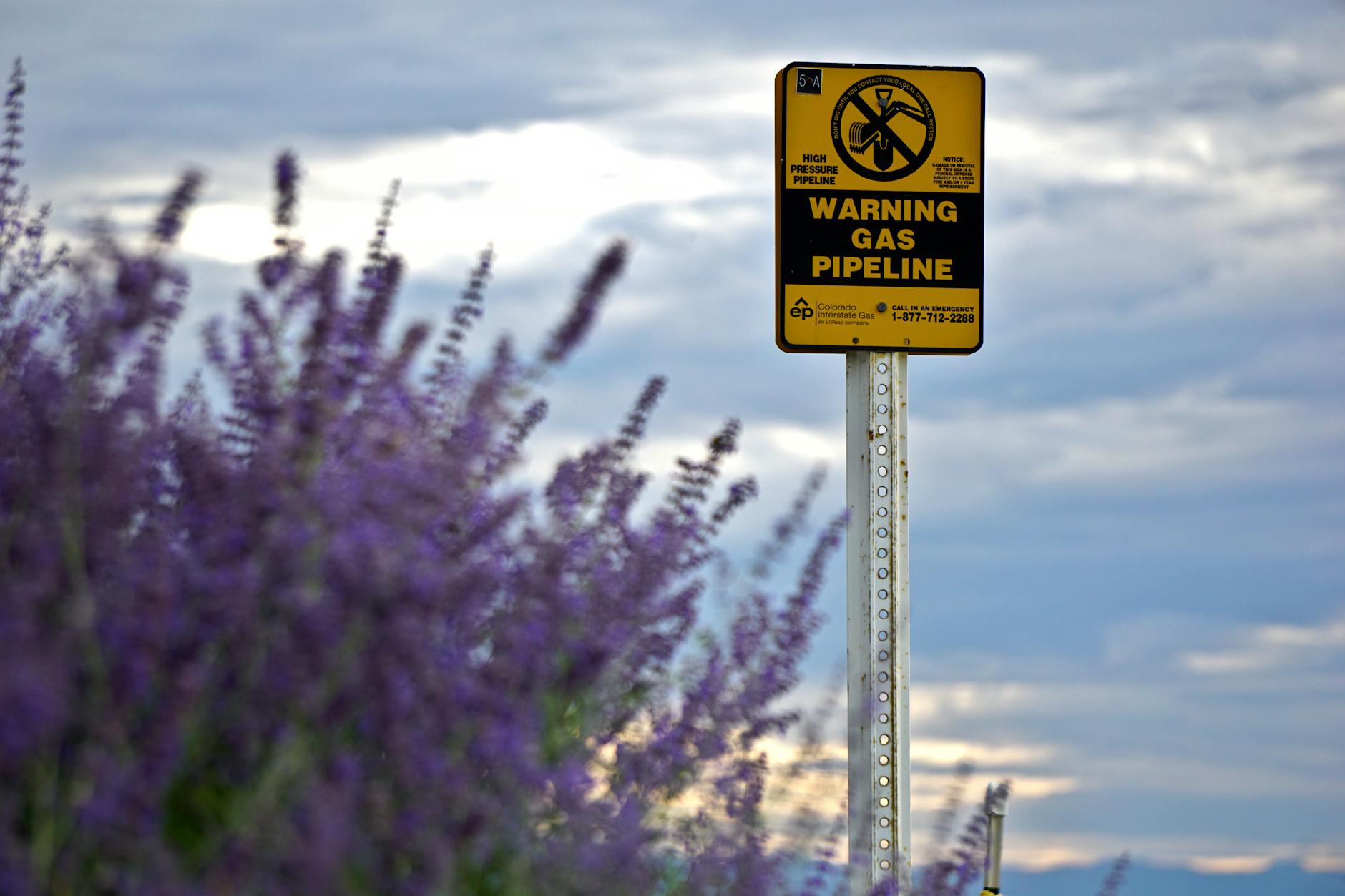
Colorado voters will soon decide on a controversial ballot measure, Initiative 177, known as the "Right to Natural Gas." This proposal aims to enshrine the right for fossil fuel companies to sell natural gas to homes and businesses in the state constitution. Environmental groups are concerned that its broad language could jeopardize Colorado's climate goals by halting efforts to transition to cleaner, electric solutions. If passed, the amendment could undo local building codes that encourage electrification, posing a significant challenge to the state's progress against global warming and its move towards sustainable energy.
A new ballot measure, Initiative 177, could dramatically shift Colorado's energy future. Written by a conservative nonprofit, Advance Colorado, this proposal seeks to add a "Right to Natural Gas" to the state constitution. If approved by voters this November, it could force communities to roll back efforts aimed at replacing gas appliances with electric alternatives in new buildings, potentially stalling progress toward a cleaner environment.
Environmental organizations like Conservation Colorado are strongly opposing the measure. They argue that this broadly worded amendment is a cynical attempt to secure fossil fuel industry profits, without considering public health, safety, or the pressing need for clean air. Advance Colorado, in a report they published, champions "energy choice," but the initiative directly clashes with Colorado's broader climate goals, which include significantly cutting emissions from buildings.
This ballot measure is particularly unique because it aims to change the state's constitution, rather than just passing a regular law. Experts warn that if it passes, this constitutional amendment could override most future laws trying to limit natural gas use, making it harder for Colorado to pursue sustainable energy policies than in other states that have similar debates.
Currently, Colorado is making strides in reducing carbon emissions. The state has set targets to cut building heating emissions by 41 percent by 2035, and incentives for switching to electric heat pumps have been incredibly popular with Coloradans, with rebates quickly reserved. These electric solutions are more energy-efficient, emit less carbon even on today's grid, and offer additional benefits like lower utility bills and improved indoor air quality, making them a clear winner over fossil fuel alternatives.
Local communities, including Denver, with its policy for heat pumps, and the town of Crested Butte, which requires new construction to be all-electric, have already adopted forward-thinking building codes. If the "Right to Natural Gas" amendment passes, these local efforts to promote clean energy and protect the environment would likely be reversed, impacting everyone's ability to choose healthier, more sustainable home options. Critics also point to the significant undisclosed funding behind Advance Colorado's efforts, evident in campaign finance disclosures, raising questions about who truly benefits from locking fossil fuels into the state's future.
Voters face a critical choice this November that will shape Colorado’s path forward on climate action. Despite substantial financial backing for the initiative, environmental advocates remain hopeful that Coloradans will understand the long-term implications and vote to protect the state’s progress toward a sustainable, clean energy future.