Colorado Valley Faces Impossible Choice Over Water Future

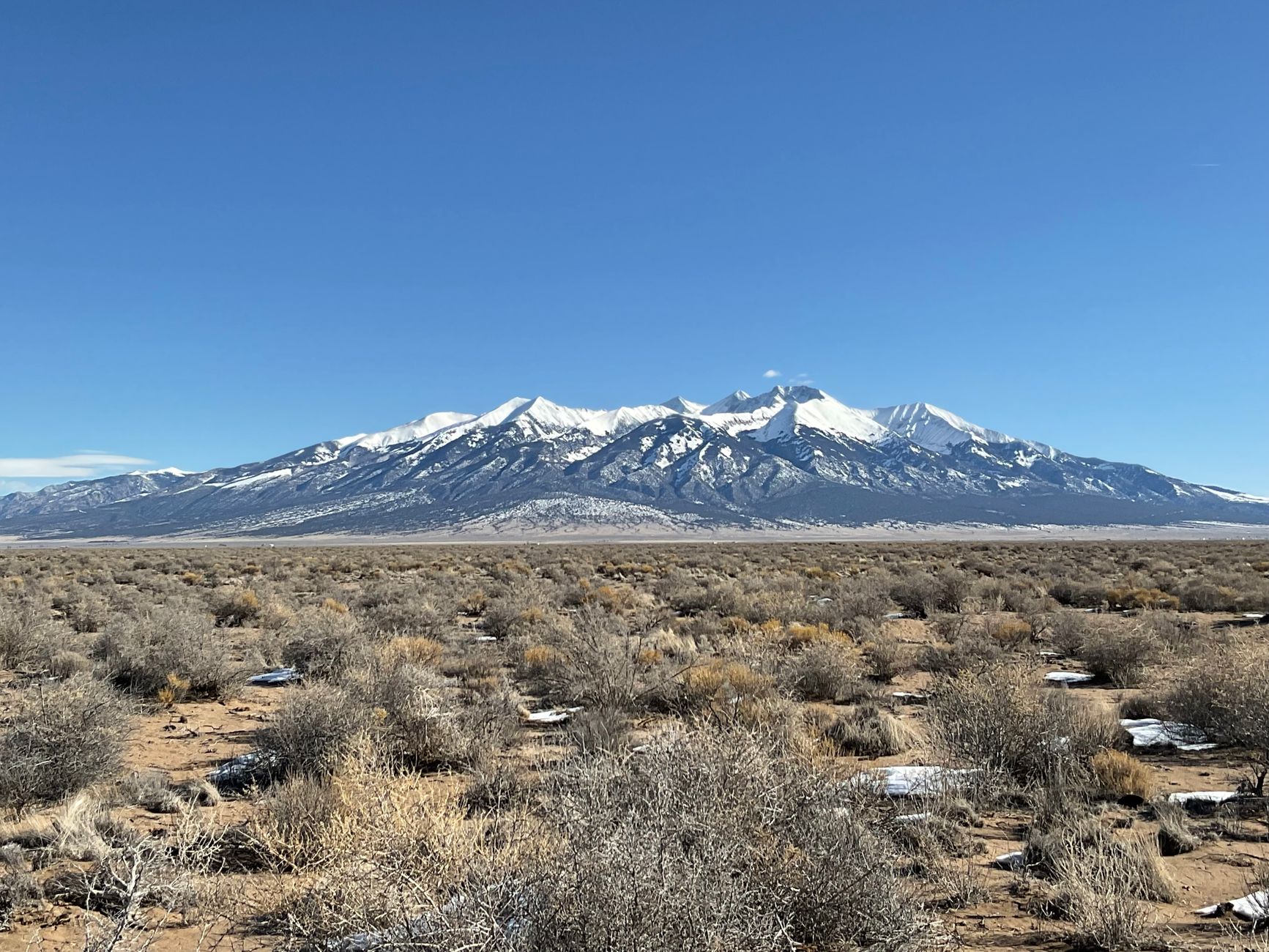
Colorado's San Luis Valley, a vital agricultural hub, is at a critical crossroads as its lifeblood—a vast underground aquifer—reaches record lows. Decades of overpumping combined with persistent drought, driven by a changing climate, have created a dire "lose-lose" scenario for local farmers and water regulators. A looming water court decision could force drastic conservation measures, drastically altering the region's economy or risk a complete shutdown of water wells. This unfolding crisis highlights the urgent need for sustainable water management in a warming world.
The San Luis Valley in Colorado is grappling with a profound water crisis, threatening its agricultural heritage and economic stability. Farmers here rely heavily on groundwater, extracting roughly 800,000 acre-feet annually for irrigation. However, a combination of prolonged drought and historical overpumping has caused the aquifer to shrink to alarming levels, with its long-term storage getting "worse and worse" according to officials.
Adding to the challenge, snowmelt rates in the Rio Grande headwaters, which naturally recharge the aquifer, have decreased significantly, by 20 percent per decade from 1984 to 2017 U.S. Geological Survey. This environmental shift means irrigation ditches now dry up much earlier in the season than they did generations ago, exacerbating the imbalance between water pumped out and water flowing back in.
To prevent a complete state-mandated shutdown of wells by 2031, a new groundwater management plan has been proposed for Subdistrict 1. This plan would dramatically increase the fee for pumping groundwater beyond a farmer’s surface-water rights, jumping from $150 to $500 per acre-foot. The aim is to achieve a 1-to-1 balance: every acre-foot pumped must be matched by an acre-foot returned to the aquifer.
Farmers are deeply divided over the plan. Some fear the prohibitive fees will force them out of business, while others argue for stricter pumping restrictions across the board, similar to a nearby subdistrict. The consensus among water managers and farmers is that action is essential to restore the aquifer. However, the exact method of conservation and who bears the economic burden remains a contentious issue. Regardless of the court’s upcoming ruling, which is expected to be appealed, meeting the restoration goals will inevitably mean a smaller agricultural economy for the valley, impacting everything from produce sales to the purchase of farming equipment and supplies. This difficult situation in Colorado serves as a stark warning and a critical case study for other communities across the American West facing similar challenges in a future shaped by water scarcity.