Controversial Border Wall Paused in Texas National Park. Why?

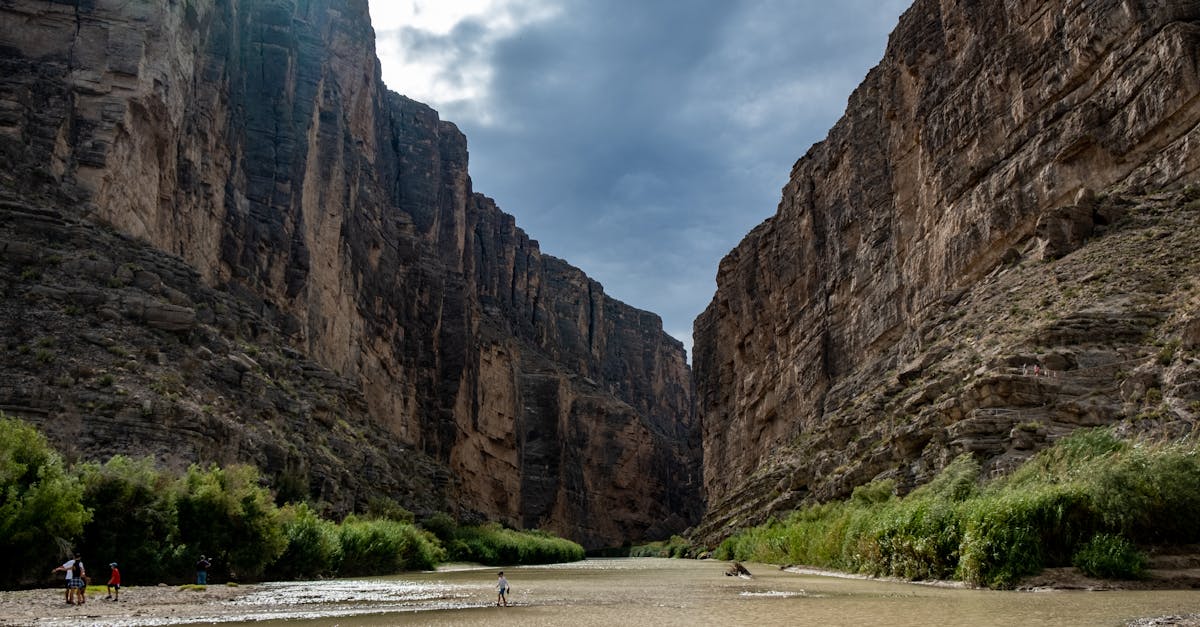
The Trump administration has temporarily halted its controversial border wall construction project within Texas' Big Bend National Park. This pause comes amidst fierce bipartisan opposition, with critics arguing the wall would damage a pristine natural environment and that the park's rugged terrain already deters illegal crossings. Rodney Scott, head of Customs and Border Protection, announced his visit to the site for an "on-the-ground evaluation," prompting the current standstill. The decision offers a moment of relief for environmental advocates concerned about the impact on this unique natural area. Such actions highlight the critical importance of protecting our planet's most sensitive ecosystems.
The Trump administration's temporary halt in building the border wall through Big Bend National Park marks a significant development in a long-running dispute. Environmental groups and local communities have vocally opposed the project, highlighting the irreversible damage a large-scale construction would inflict on one of America’s most stunning and ecologically vital protected areas. The park's diverse ecosystems, unique wildlife, and remote beauty are irreplaceable, making its preservation paramount.
Opponents also point out that the challenging landscape of Big Bend, with its mountains and canyons, naturally deters cross-border activity. This natural barrier, they argue, makes an artificial wall not only environmentally destructive but also unnecessary. The administration's push to build the wall, funded by billions from Congress, has often involved bypassing environmental regulations, a practice that further fueled public outcry regarding Big Bend.
This pause, driven by a personal site visit from the head of Customs and Border Protection, offers a crucial opportunity to reconsider the project's profound environmental implications. Protecting our national parks and wild spaces is essential for biodiversity, clean air, and water, and for future generations to experience nature's grandeur. Actions that threaten these precious areas underscore the urgent need for sustainable practices and a commitment to safeguarding our planet's natural heritage against all forms of destruction.