COP30 Chaos: Scientists Warn Leaders ‘You Are Out Of Time’

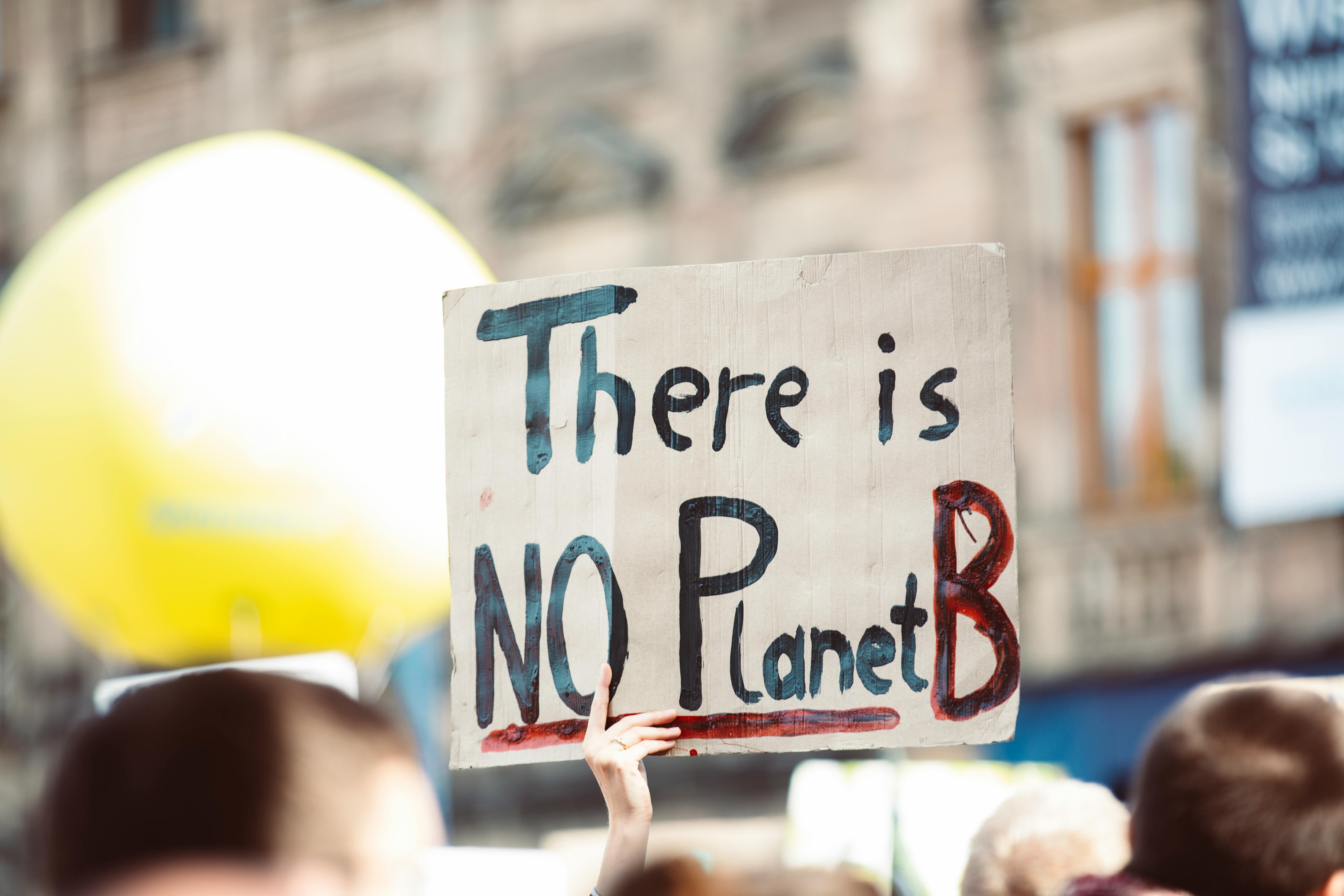
On the edge of the Amazon rainforest, world leaders are opening the COP30 climate summit under mounting pressure from protesters demanding real action instead of more speeches. Inside the heavily guarded venue in Belém, negotiators are debating how to keep global heating as close as possible to 1.5°C, even as UN scientists warn that current policies still point toward far more dangerous levels of warming. Outside, Indigenous leaders, youth movements and climate groups are marching, staging creative actions and delivering a “climate bill” that they say should be paid by fossil fuel companies, not ordinary people. With 2025 set to be among the hottest years ever recorded and the Amazon edging toward an irreversible tipping point, activists argue that what happens in Belém will echo far beyond Brazil’s borders.
Belém, a humid port city at the mouth of the Amazon River, has become the center of the climate emergency. As limousines and buses carrying ministers roll into the COP30 venue, thousands of protesters are filling nearby streets and riverfront squares with drums, banners and cardboard globes painted to look like they are melting. Their message to the leaders inside is blunt: time is almost up.
The official UN climate conference in Belém runs from 10 to 21 November and brings together nearly 200 governments to negotiate how to limit planetary heating and protect vulnerable communities. The stakes could hardly be higher. The world has already warmed by around 1.3°C since pre-industrial times, and UN assessments suggest that even if all current national pledges are delivered, we are still on track for roughly 2.3°C of warming this century. At that level, scientists warn, heatwaves, crop failures, sea-level rise and ecosystem collapse will intensify dramatically.
A video report from The New York Times shows exactly how this tension looks on the ground: arriving delegations stepping out onto red carpets while, just beyond the fences, activists chant for an immediate end to new fossil fuel projects and for the Amazon to be placed under stronger protection COP30 Kicks Off in Brazil, Amid Climate Protests. Homemade signs read “There is no Plan B,” “Amazon alive, planet alive” and “Phase out fossil fuels now,” capturing a sense of frustration after three decades of climate summits that have yet to bend emissions sharply downward.
Inside the halls, the rhetoric is equally stark. At the opening session, UN Secretary-General António Guterres called the world’s failure so far to keep the 1.5°C goal within safe reach a grave moral failure and a form of deadly negligence, warning that even a temporary overshoot could push key Earth systems past irreversible tipping points Missing 1.5C climate target is a moral failure. He reminded leaders that “every fraction of a degree” of additional warming translates into more hunger, more displacement and more lives lost, especially among those who have contributed least to the problem.
Brazil’s president Luiz Inácio Lula da Silva has branded COP30 the “COP of truth” and wants it to be remembered as the summit that finally put forests, justice and the rights of Indigenous peoples at the center of climate policy. Hosting the talks in Belém, a gateway to the Amazon, is meant to send a powerful signal: without protecting this vast rainforest, it will be impossible to stabilize the climate. Ten years after the Paris Agreement, Lula is pushing wealthy nations to urgently ramp up climate finance and support for forest protection, while insisting that tackling inequality and poverty must go hand in hand with cutting emissions COP30 Brasil Amazônia.
But the summit is also unfolding amid deep contradictions. To prepare for an expected 50,000 visitors, authorities in Pará state have fast-tracked controversial infrastructure projects, including a four-lane road known as Avenida Liberdade that slices through areas of protected rainforest. Officials argue the highway was planned long before COP30 and is designed with wildlife crossings and bike lanes, but environmental groups say it still means more deforestation and fragmentation in one of the planet’s most important carbon stores Avenida Liberdade. Accommodation shortages have pushed hotel prices so high that some delegations from poorer countries fear they cannot afford to attend at all, highlighting the inequality built into the global climate process.
On the streets, these contradictions are fueling anger and creativity. In the run-up to the summit, a coalition of Amazonian organizations known as the “Mutirão dos Povos” staged a dramatic action outside the future COP30 site with a giant globe dripping “oil” and banners declaring “Planet in crisis” Protesters Bring “Planet in Crisis” to COP30 Headquarters in Belém. Their declaration calls for an immediate halt to new oil, gas and mining projects in the rainforest, legal recognition of Indigenous territories, and a shift in global economic rules so that forest protection is rewarded and land grabbing is punished.
Another powerful presence in Belém comes from Indigenous leaders who have traveled thousands of kilometers from glacier-fed valleys in the Andes down to the Amazon by road and boat. Their caravan, which stopped in several countries to hold ceremonies and public events, connects the melting of high mountain ice to the fate of the rivers and forests below From the Andes to the Amazon, Indigenous leaders bring their demands to COP30. They bring with them fresh evidence showing that nearly a fifth of Indigenous territories in the Amazon are threatened by mining, drilling and logging, and a grim tally of environmental defenders killed for trying to protect their lands.
Global NGOs are amplifying those demands. Greenpeace has brought a gigantic “climate bill” to Belém, symbolically charging fossil fuel companies US$5 trillion for the damages their products have caused around the world The US$5 trillion bill: A journey in pictures. The campaign calls on governments to end all new fossil fuel expansion and make major polluters pay their fair share into funds that support adaptation, loss and damage and just transitions. Other groups, including Global Witness, are highlighting the dangers faced by land and environmental defenders and demanding binding rules to keep corporate lobbyists from watering down the talks Global Witness at COP30: Policies for people over polluters.
For negotiators, three battles loom large. The first is whether the final COP30 decision will explicitly commit the world to phasing out all fossil fuels, not just “unabated” coal or emissions “in the long term.” Many petrostate governments and energy companies still resist language that could constrain future oil and gas expansion, while climate-vulnerable nations and protesters insist that a safe future is impossible without a rapid, fair transition away from all fossil fuels.
The second is money. At last year’s COP29 in Baku, countries agreed in principle that at least US$1.3 trillion a year should flow from public and private sources into climate action in developing countries by 2030, but the details were left vague. In Belém, finance ministers are under pressure to spell out who will pay, how much, and by when. Small island states and African nations say they are already paying for loss and damage with lives, livelihoods and homes, and warn that without predictable funds, the promises of a “just transition” will ring hollow UN Climate Change Conference - Belém, November 2025.
The third battle is over forests and land. Brazil is using COP30 to launch its “Tropical Forest Forever” facility, an ambitious plan to mobilize tens of billions of dollars for protecting standing forests in the Amazon and beyond Missing 1.5C climate target is a moral failure. Alongside that, governments and Indigenous organizations are pushing a new global agreement to recognize land rights for Indigenous and traditional communities across more than 160 million hectares by 2030. Research shows that when Indigenous communities have secure land tenure, deforestation rates drop and biodiversity fares far better, making this one of the most cost-effective climate solutions available.
For people living on the front lines of the climate crisis, the urgency of these negotiations is not abstract. Officials from highly exposed countries used the first days of COP30 to describe what they are already facing: drowned villages, collapsing fisheries, failed harvests and once-in-a-century storms that now hit every few years At UN climate summit, countries attest to harms of Earth's warming. Many warned that without decisive action this decade, entire communities could be forced to abandon their homelands.
What happens in Belém will not, on its own, solve the climate crisis. Any promises made here will still need to be turned into national laws, investment plans and real-world cuts in pollution. Yet this summit carries a symbolic weight far beyond its negotiating rooms. To activists marching under the blazing Amazon sun, the sight of leaders gathering in the world’s largest rainforest while emissions continue to rise is almost unbearable. They say COP30 must become a turning point where governments finally choose people over polluters, forests over short-term profit, and a livable planet over delay.
If those leaders walk away with only vague statements and recycled pledges, the protests outside will almost certainly grow louder. But if they deliver concrete commitments to phase out fossil fuels, protect forests, fund climate justice and defend those who defend the Earth, Belém could be remembered not as the place where the world gave up, but as the place where it finally decided to act at the speed the crisis demands.