Costa Rica's Forests Score Huge Climate Win. What's Next?

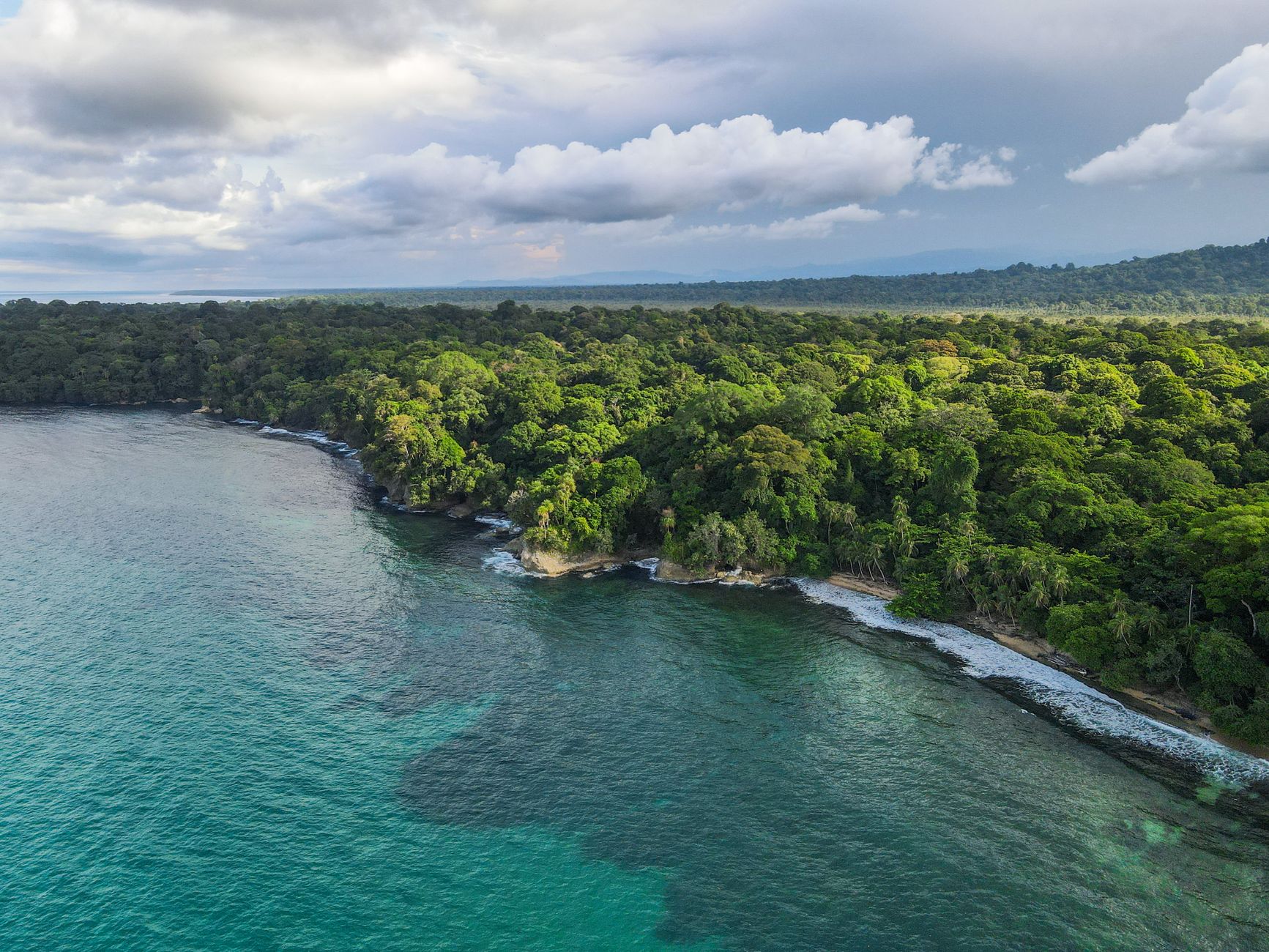
Costa Rica's commitment to environmental action is making a real difference in the global fight against climate change. A recent United Nations review confirms that the nation's lush forests absorbed over 10.2 million tonnes of carbon dioxide equivalent between 2020 and 2023. These significant "net removals" stem from ongoing efforts to protect forests and boost their ability to store carbon. This achievement highlights the power of sustainable solutions and helps secure vital climate finance for the country's continued conservation work.
A new United Nations report verifies that Costa Rica's forests successfully removed more than 10.2 million tonnes of climate-warming carbon dioxide equivalent from the atmosphere between 2020 and 2023. This impressive achievement comes from their dedication to preventing deforestation, stopping forest degradation, and actively growing their forest carbon stocks, a program known as REDD+. The UN's technical review found that Costa Rica's data and methods align well with international requirements, building on decades of successful conservation efforts.
While the total amount of carbon removed annually saw a slight decrease over the four-year period, Costa Rica consistently reported significant net removals each year. This underscores the country's long-standing commitment to environmental protection, famously including its Payments for Environmental Services (PES) program, which has invested over $524 million to protect more than 1.3 million hectares of forest since 1996. These efforts are crucial for global warming, as healthy forests act as essential carbon sinks, naturally absorbing greenhouse gases.
These UN-backed results are vital for Costa Rica to attract more international climate finance. For example, similar earlier REDD+ results from 2014-2015 previously secured $54.1 million from the Green Climate Fund, showing how strong, verifiable forest conservation can translate into financial support for sustainable solutions. The global market is increasingly demanding high-quality, transparent projects, making Costa Rica’s rigorous UN review even more valuable.
However, the UN review also pointed out areas for improvement, like refining methods to distinguish human-caused forest changes from natural ones, improving estimates of forest degradation, and strengthening national registry systems. Addressing these points is key to ensuring that carbon reductions are not counted more than once, a crucial step for countries looking to engage more deeply in international carbon trading and collective climate action. Costa Rica's latest UN-reviewed results provide a solid technical foundation for its forest carbon strategy, positioning it as a leader in high-integrity, nature-based climate solutions.