Critical Minerals: The Hidden Demands Beyond Our Clean Future

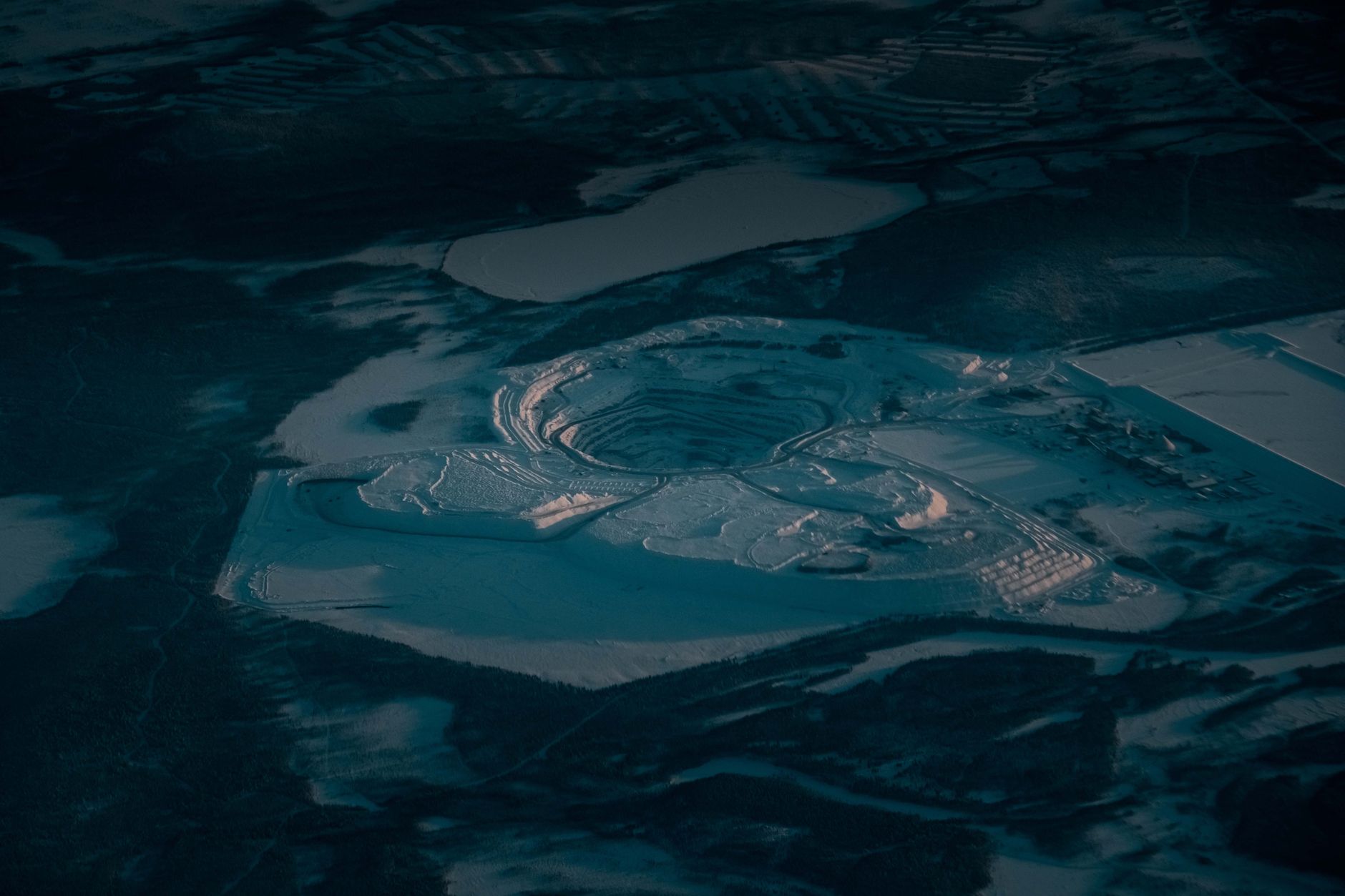
A new report challenges the common belief that the surge in critical mineral mining is solely driven by the green energy transition. The Oakland Institute reveals that over 70% of current demand for minerals like copper and lithium comes from conventional industries, consumer goods, and rapidly growing sectors like artificial intelligence and defense. This overlooked demand intensifies pressure for new mines, risking widespread environmental damage and social conflict. Understanding the true drivers is crucial for pursuing sustainable solutions and protecting vulnerable communities.
The global push to extract essential minerals like copper, lithium, and cobalt is often presented as vital for tackling climate change. However, a recent report from the Oakland Institute report shows a different picture. Their findings indicate that more than 70% of the current need for these critical materials comes from everyday industries, expanding power grids not specifically for renewables, consumer products, and notably, the rapidly growing fields of artificial intelligence and defense. This means that renewable energy projects might find themselves competing for limited resources, leading to more pressure to open new mines, regardless of the significant harm to the environment and local communities.
This unchecked mining boom has a severe human and environmental cost. Between 2015 and 2022, there were over 36,000 conflicts linked to mining globally analysis. These disputes often arise from environmental devastation, such as massive water use and catastrophic waste pit collapses, like the one in Zambia that released millions of gallons of toxic waste. Indigenous peoples and rural communities are particularly vulnerable, with an estimated 69% of new mineral projects located on or near their lands research. The mining industry is also frequently linked to violence against environmental defenders, underscoring the urgent need for better practices and accountability.
Demand from the military and AI sectors is growing especially fast, creating what some call a "tech-military-extractive industrial complex." For instance, an F-35 fighter jet requires over 400 kilograms of rare earth minerals, and a naval destroyer needs more than 2.2 tons. Projections suggest that military demand for ten key critical minerals could increase by 135% in the next decade data. Similarly, AI data centers consume huge amounts of copper and other specialized minerals. While electrification is vital for a cleaner future, policies should prioritize solutions like public transportation over individual electric vehicles, which the report argues are not always necessary for the energy transition and still rely heavily on mined materials.
The report suggests that by making smart policy choices—like investing in public transport, boosting recycling efforts, reducing military budgets, and helping mineral-dependent nations diversify their economies—we can lessen the immense pressure on our planet. If we allow this mining rush to continue without proper checks, the environmental destruction and displacement of people will reach unprecedented levels, leaving lasting scars for centuries. It's clear that genuine sustainability requires a broader look at all sources of mineral demand, not just those framed as "green," and a commitment to protecting communities and ecosystems.